
The notion that memories became the basic
form of substituting the events, which are suspended with
the growth of industrialization, is almost unquestionable.
However with the growth of the 'knowledge industry' as
the latest stage of the global formation of memory, this
has become part and parcel of 'instrumentalised reason'.
In contrast with ancient times, where memory was a main
source of intelligence, with the invention of the printing
technique memory became its ubiquitous alternative, continuously
disrupting the industrialization.
In the 20th century however, memory itself
became industrialized. With the early examples of memoirs
of stars being published it has gradually grown into the
'global industry'. Since the relationship between nations,
races and histories has been negotiated through memories
of witnesses and survivors this in itself produced the
legitimacy of history.Speaking of the growth of industrialization,
it has become impossible to ignore it's main source, which
creates the triangle: work, labor and life. Moving from
manufacturing to automatisation, from full time to occasional
labour, we do often come across people whose lives have
been affected by this process, but since work is the dominant
part of life it keeps returning in memories of those who
lost their jobs and lived the rest of life by only remembering
it.
Paula Roush's new project set up in Coleman
Project Space, in Bermondsey London is a direct engagement
with this practice. This consists in 'building a new memory
factory in place of the former Peek Frean's Biscuit Factory,
announced as 'a reopening of the factory for one week
only as a memory factory' in order 'to investigate the
utopian potential of placing the discourse on globalisation
of memory at the intersection of tourism, urban renewal
and cultural property rights'. The project carefully investigates
the factory's history and establishes with the later generation
of factory workers, who participated in the workshops
in order to license their memories under special conditions,
since the memory factory is open as a bureau for memory
work.
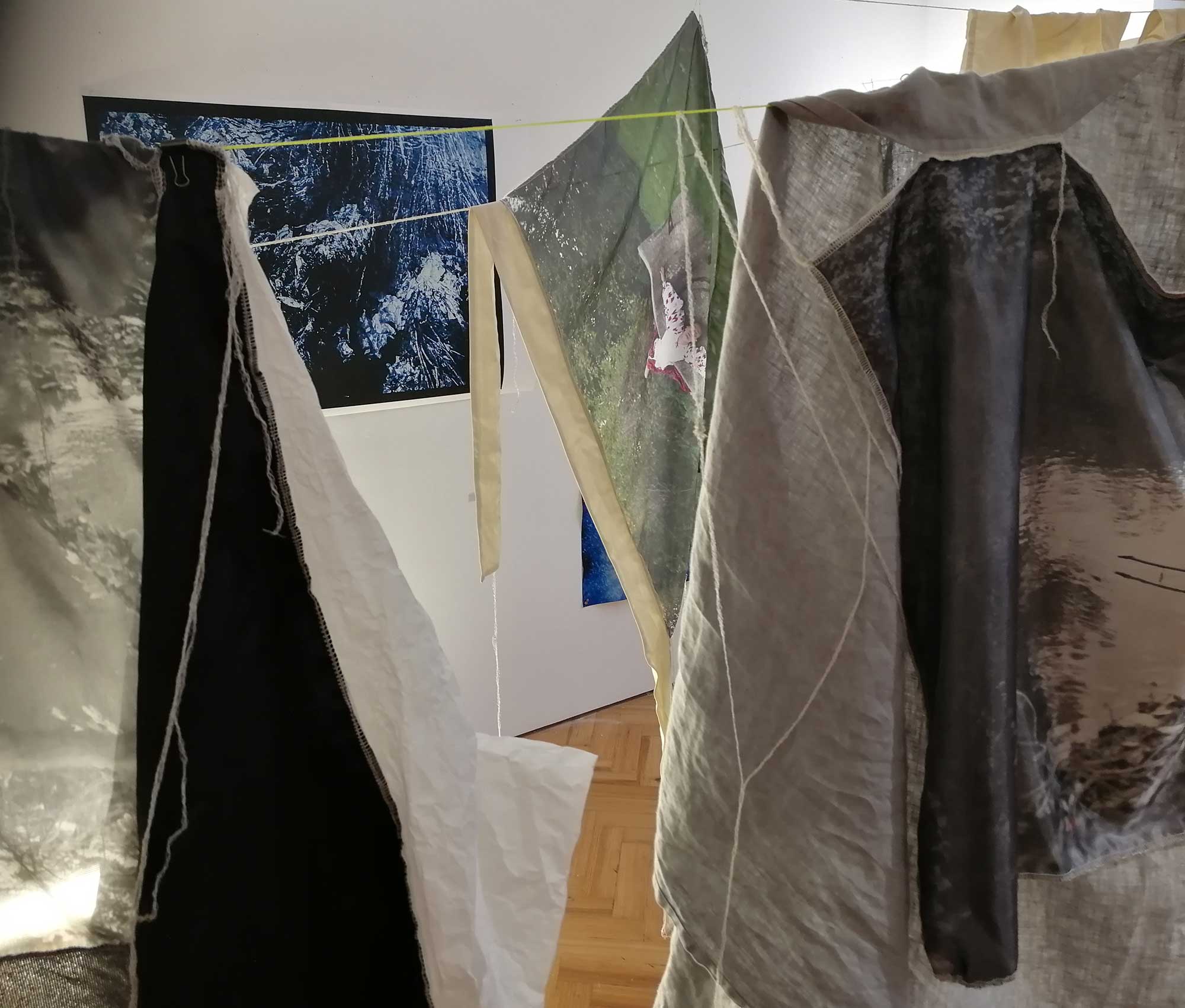
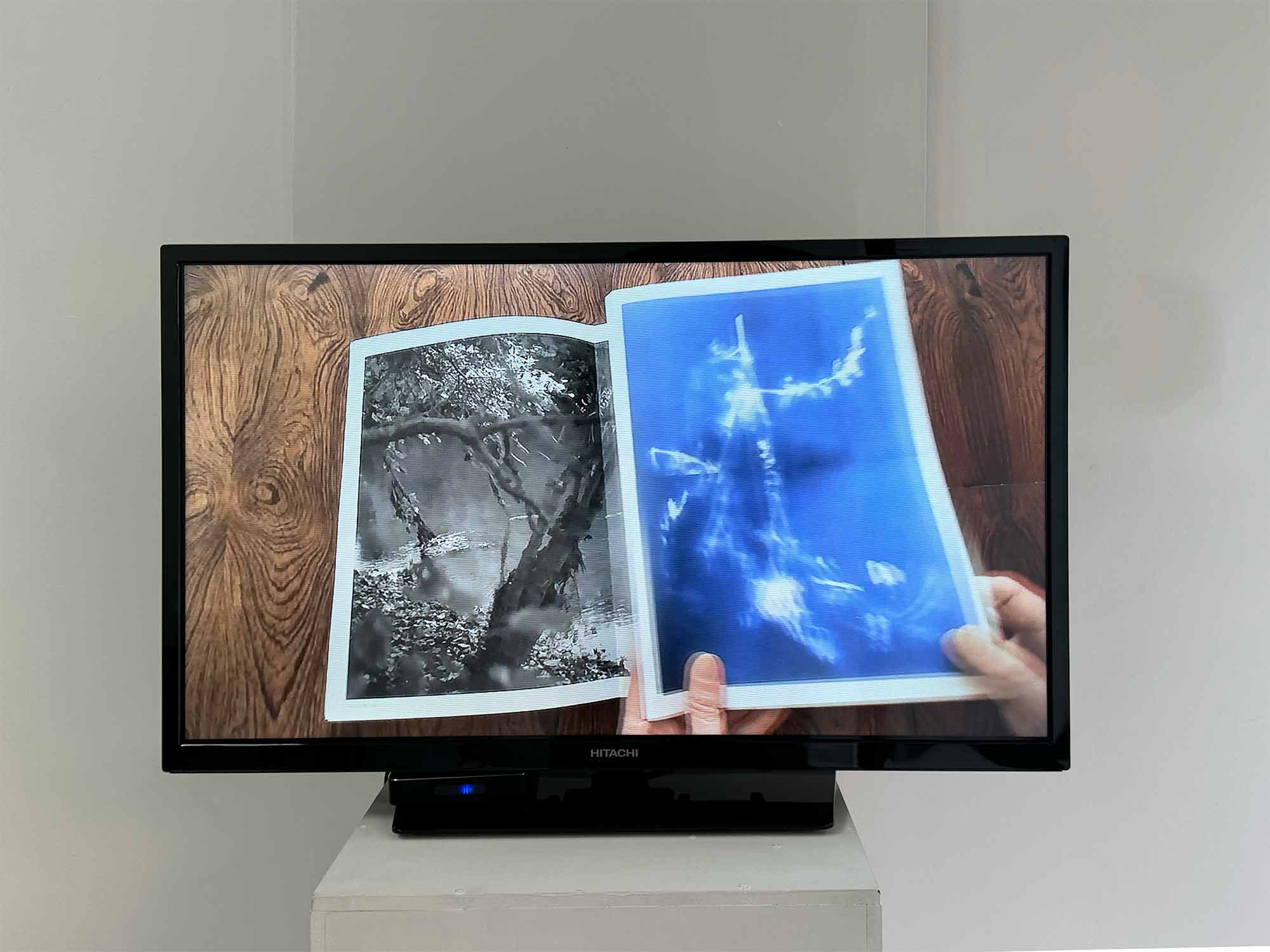
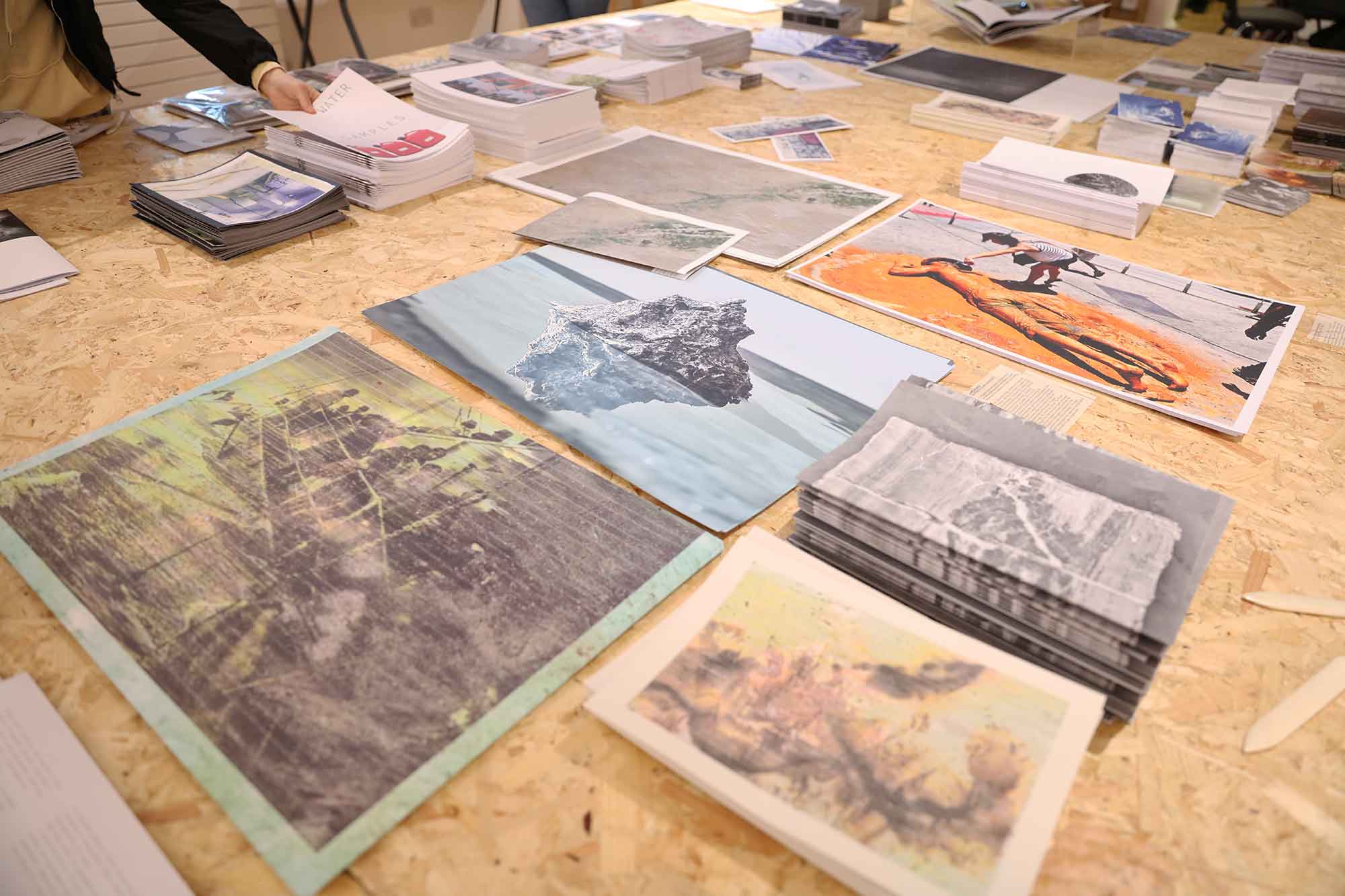
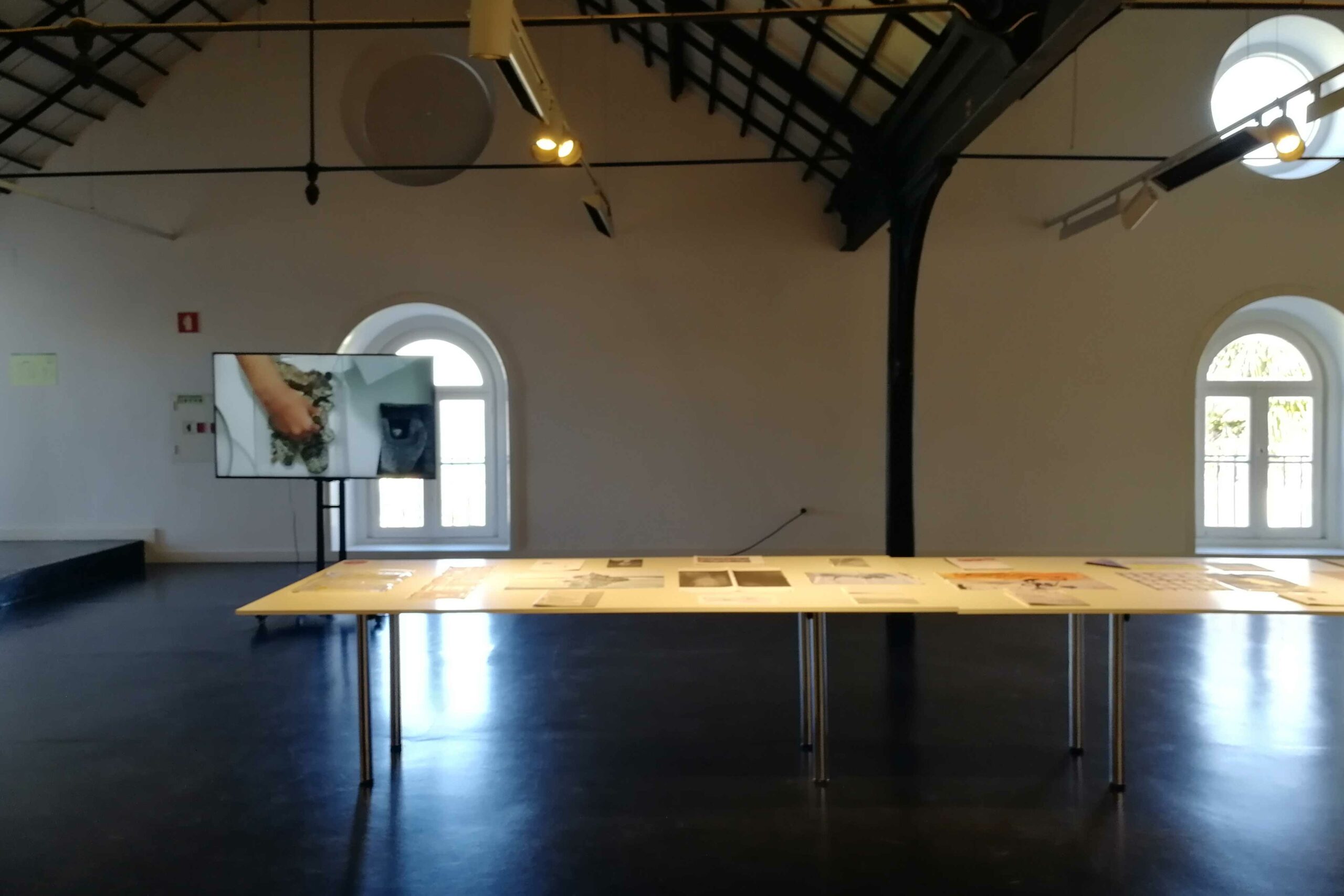
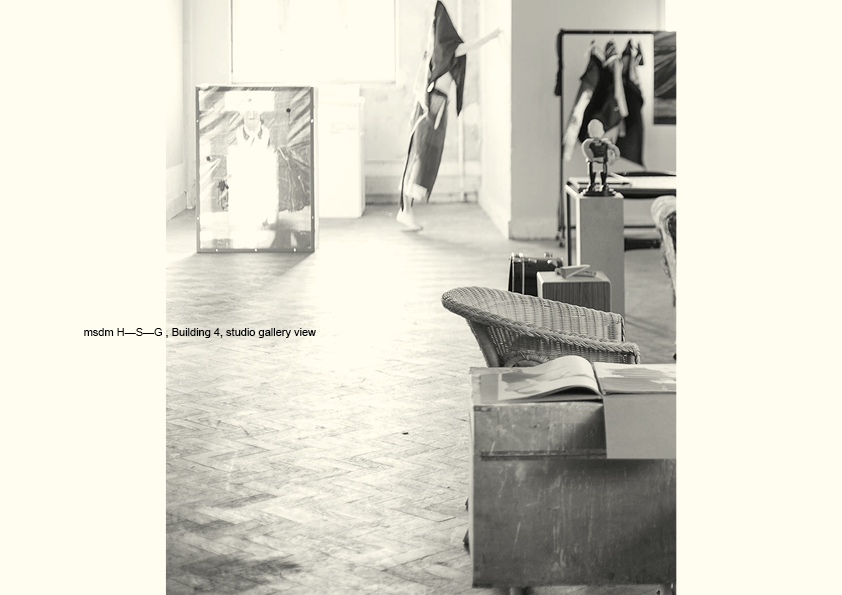
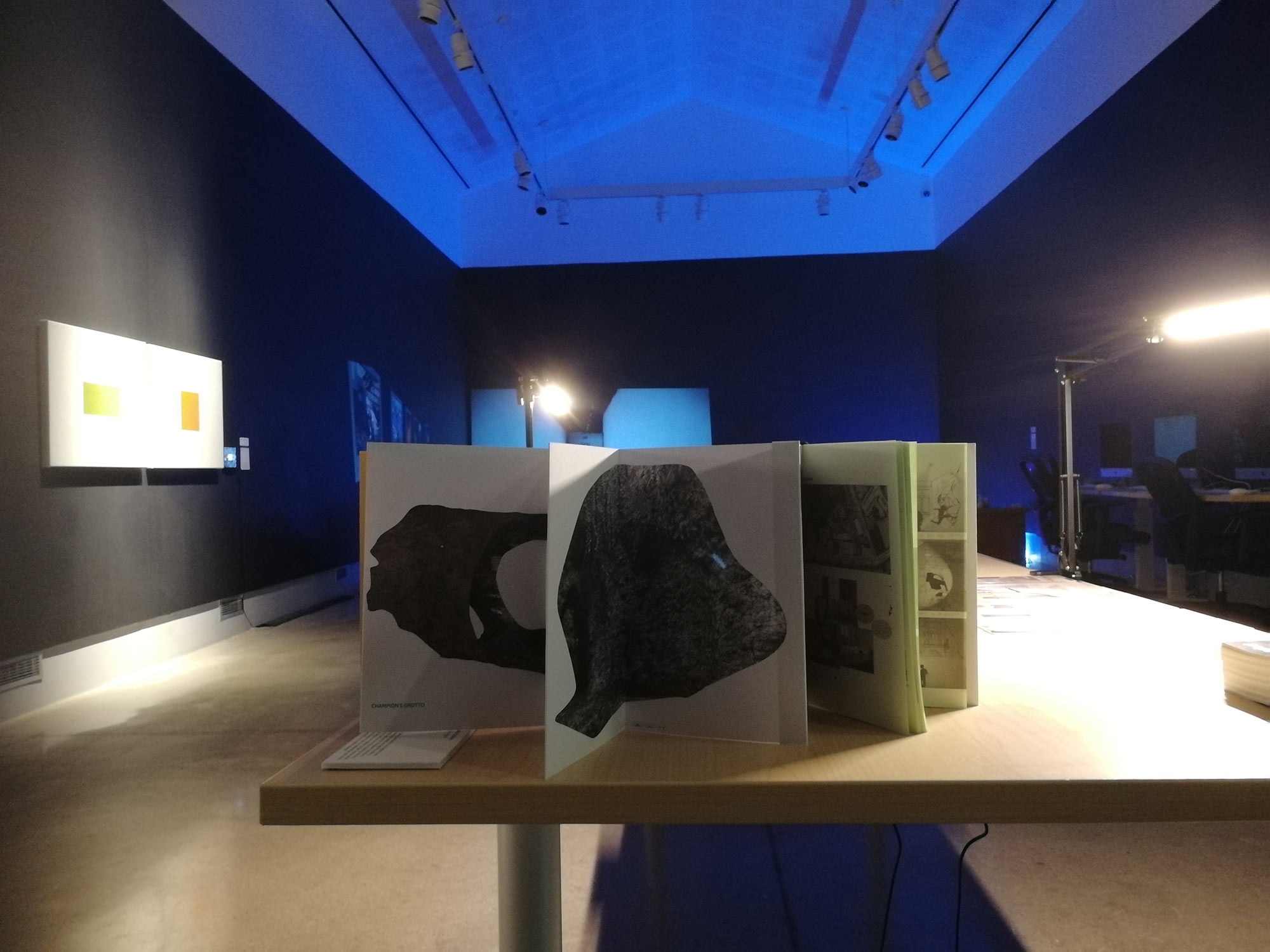
Participants arrived with memorabilia which filled the
project space turning it into a very interesting show,
consisting of selected photos, clothing, gifts, books,
films, sound samples and journal entries that mapped the
space of memory. The further step was the 'licensing of
these memories following the creative commons deed in
order to offer some of them to the cultural memory market'.
Can the 'immaterial labor' be understood as the one existing
as a memory bearer by the one who turns it into the cultural
artifact? Interestingly enough, instead of ending the
project of capitalism 'by digging it's own grave, the
pre-eminent form of 'knowledge industry' expands it to
the global degree and creates the spectacle where life
and work are seen as one.
The biopolitical subject is endlessly
reminded that there is no more dividing line between work
and leisure. They are constantly articulated and there
is only the 'pleasure of work'. No matter whether you
are employed or unemployed, your value is is based on
your memorie's value. The'memory factory' in this case
becomes the subject of 'artistic thought in order to problematise
this paradox.
This event is an interesting continuation of Roush's ongoing
research on work, labor and the transformation of these
themes during the global cultural industry.
Zeigam Azizov, London