Francisco Varela
Memória Líquida (2021)
Artistic research, collaborative publishing and the methodology of Indaguação
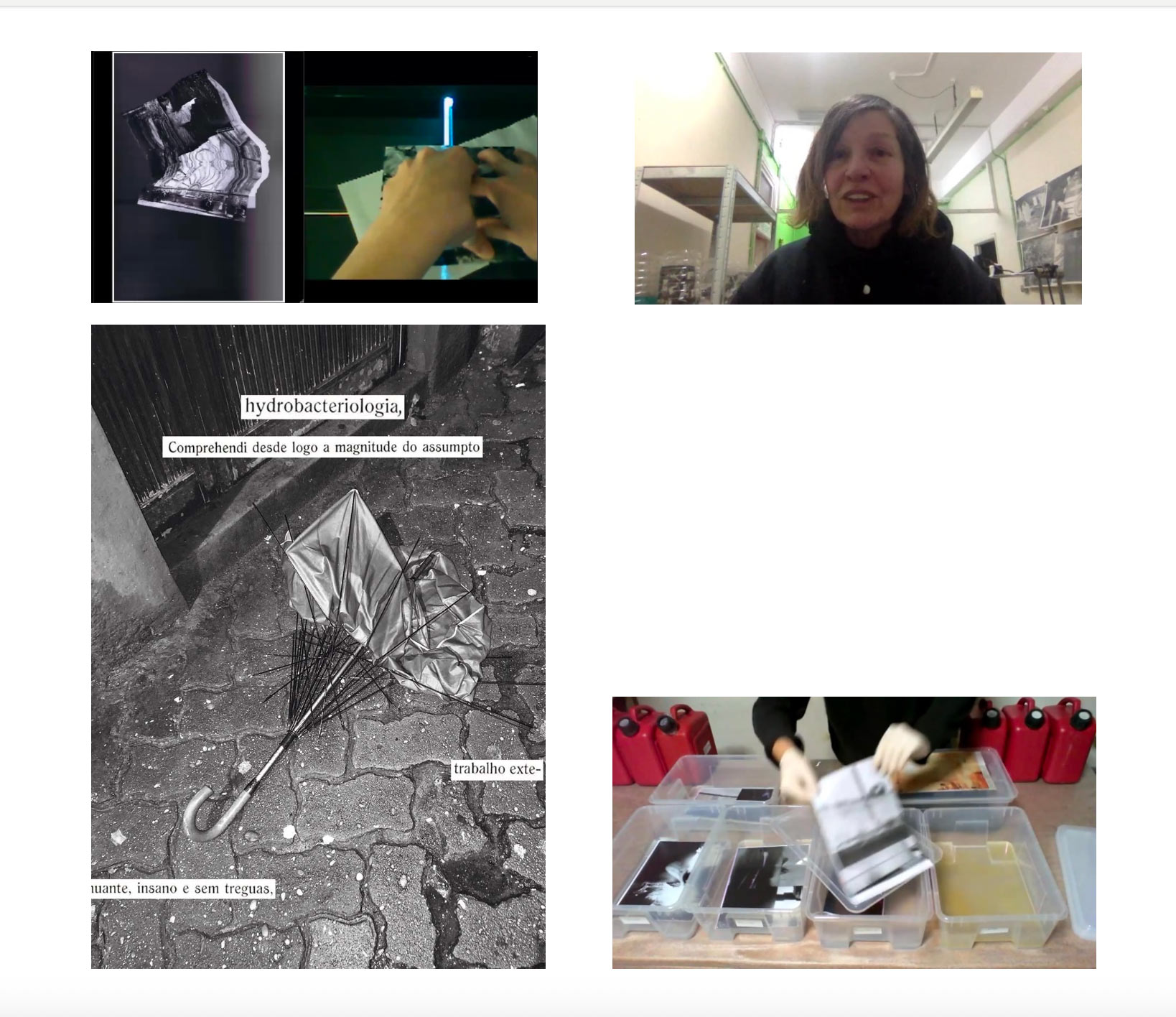
Francisco Varela's dissertation Memória Líquida (2021) examines the development of an artistic and curatorial project centred on water, photography, territory and collective memory. Taking the landscape and historical transformations of the Mata da Pasteleira in Porto as its point of departure, the research investigates how photographic practices, archival materials, artistic collaboration and publishing can generate alternative ways of understanding place.
A significant dimension of the dissertation is its documentation of the artistic and methodological contributions of paula roush and msdm — mobile strategies of display & mediation, whose involvement extended across the project's collaborative research, workshop development, curatorial processes and editorial production.
Immersion, autoethnography and expanded curatorial practice
In his discussion of artistic methodologies (pp. 71–72), Varela identifies important connections between the development of Memória Líquida and roush's established practice of immersion, autoethnographic investigation and collaborative artistic production.
He describes roush as an active interlocutor throughout the project, recognising how her approach to working with archives, personal experience and situated research informed its artistic and curatorial processes.
The dissertation also discusses the relationship between artistic practice and curatorial activity in roush's work. Rather than treating exhibition-making, research, publishing and collaboration as separate disciplines, Varela identifies an expanded practice in which these activities operate as interconnected forms of artistic production.
This analysis is further developed through the inclusion, as an appendix, of Varela's essay The Expanded Practice of the Artist's Book: Immersion in the Artist's Museum, which examines roush's live–work methodology, her processes of collecting, researching and displaying materials, and her production of alternative urban narratives.
Between Archive and Publication: A Liquid Workshop
A central part of the dissertation addresses Between Archive and Publication: A Liquid Workshop (Visualising Liquid Archives), facilitated by paula roush in collaboration with the Memória Líquida project.
Developed in an online environment during the period of social isolation, the workshop brought together artists and collaborators to investigate the relationships between water, photographic archives, memory and publication.
Working with institutional and personal archives, participants explored processes of collective annotation, material transformation and experimental storytelling. The workshop approached water simultaneously as a subject of investigation and as a medium capable of transforming the photographic image, the archive and the conditions of artistic collaboration.
The process culminated in Workshop Líquido, a live online editorial and performative laboratory that used simultaneous Zoom rooms as spaces for artistic experimentation, collective exchange and public participation.
Varela's account recognises the importance of roush's collaborative methodology in shaping this process and its subsequent development into an expanded collective publication.
Indaguação: an original methodology developed by paula roush
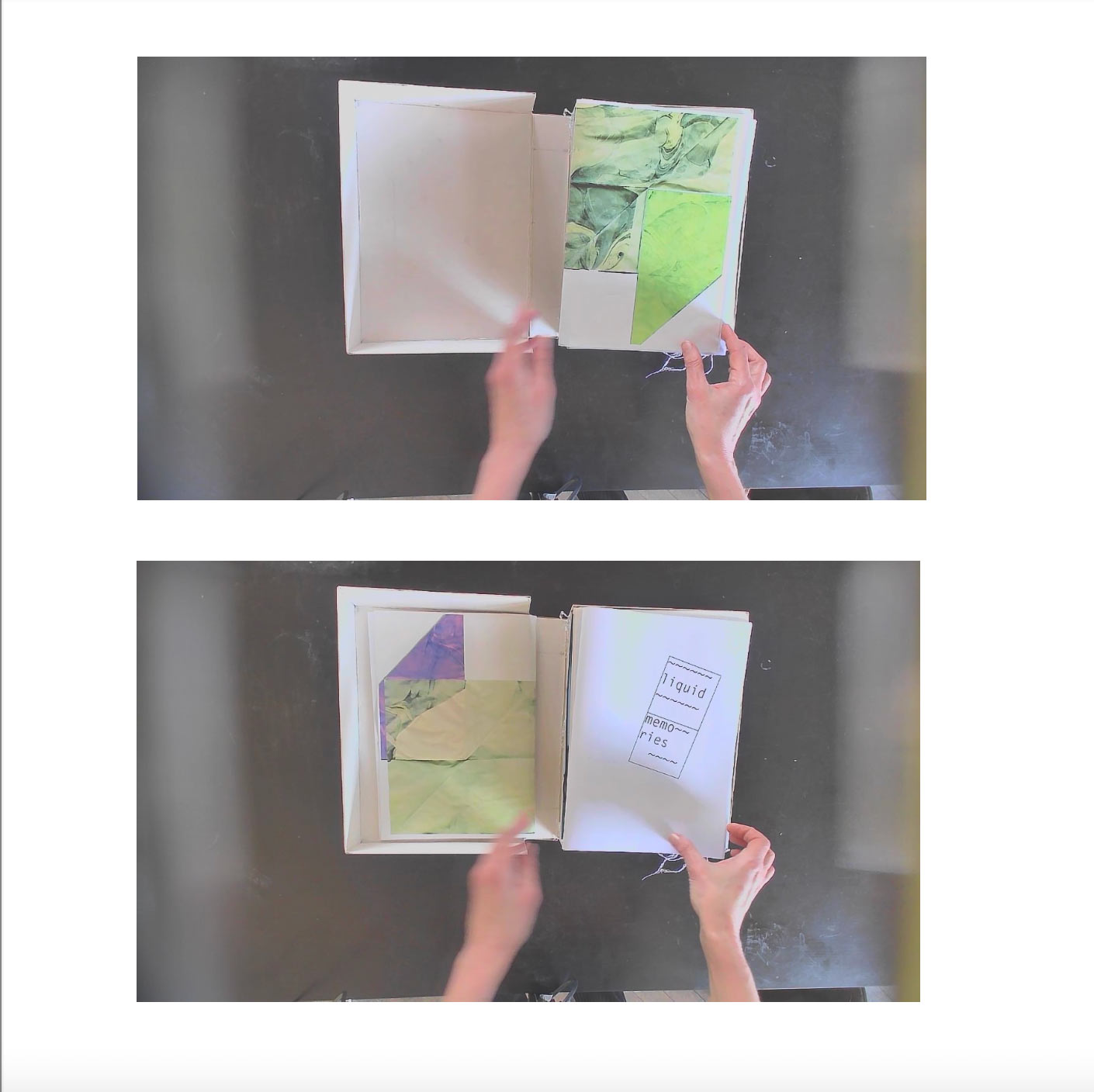
One of the dissertation's most important contributions to the documentation of roush's practice is its explicit recognition of Indaguação, an original artistic research methodology developed by paula roush (msdm).
Varela explains that the workshop's initial structure, prepared collaboratively, was subsequently reformulated and deepened by roush into an original methodological synthesis.
Combining aqueous processes of collective annotation, archival appropriation and the formulation of water stories, roush developed what she terms indaguar or Indaguação: a technology of inquiry through water — indagar, pesquisar e investigar através da água (pp. 80, 89).
Within this methodology, water operates not simply as an artistic subject or material, but as an active medium of investigation. It participates in the transformation of photographic archives, the production of collective narratives and the experimental processes through which images, texts and publications are assembled.
Liquid Memories: publication as collective artistic practice
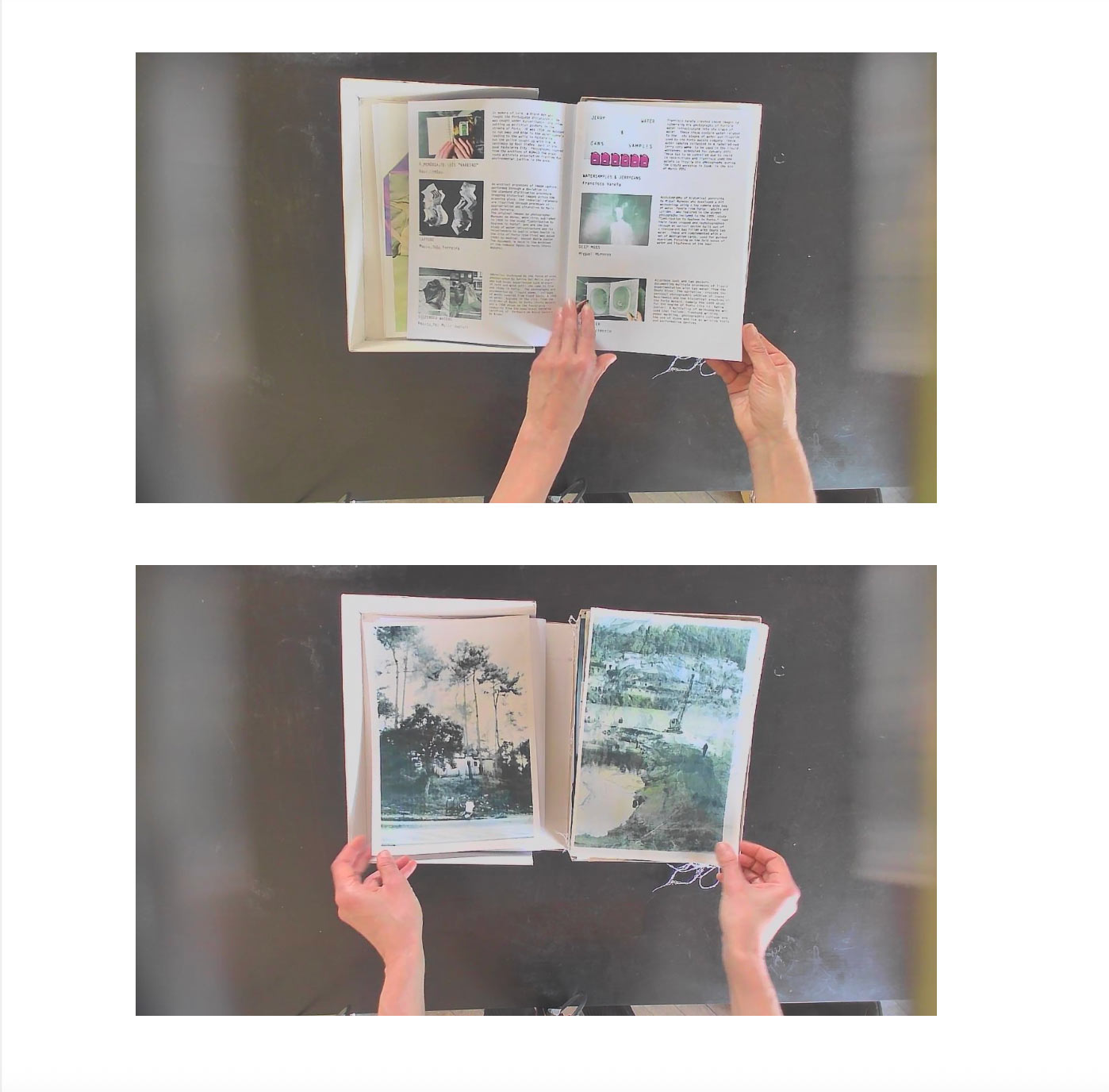
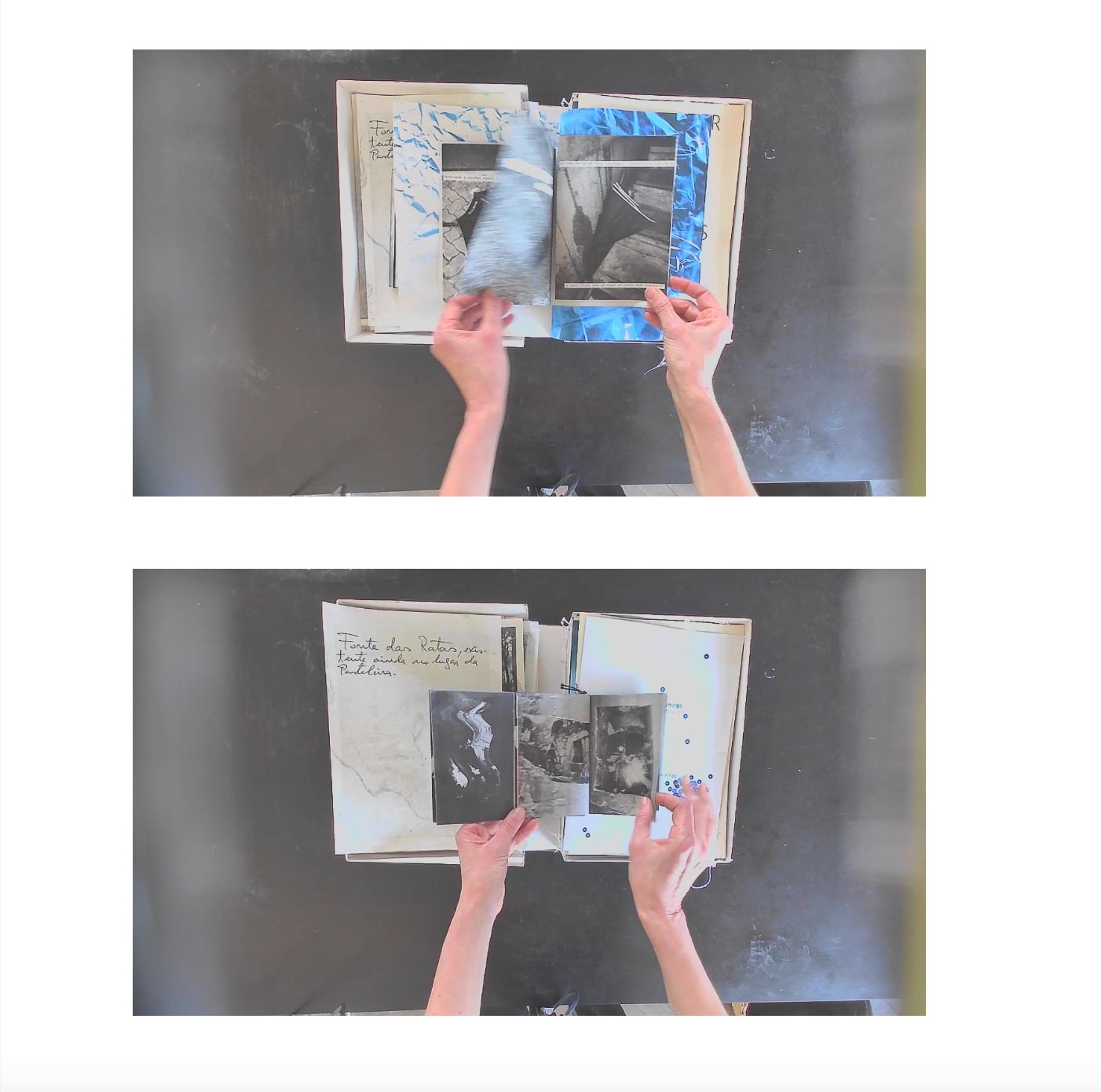
The dissertation also examines the development of Liquid Memories, edited by paula roush and published by msdm publications in 2021.
Emerging from the workshop's collective investigations, the publication brings together photographic essays, archival interventions, experimental image-making and textual processes developed through encounters with water.
Varela documents roush's editorial work in assembling the contributions and developing different configurations of the publication, including individual sections, loose sheets and an aggregated codex format.
The publication is understood not merely as a container for completed works, but as an experimental artistic and curatorial dispositif through which different authors, materials and research processes enter into dialogue.
This editorial approach extends the collaborative methodology of the workshop, allowing the publication itself to become a space of artistic investigation, material transformation and shared authorship.
Research significance
Varela's dissertation provides an important academic account of the relationship between artistic research, experimental publishing and collaborative curatorial practice within Memória Líquida.
For the documentation of paula roush's practice, its significance lies in three interconnected areas: its recognition of immersion and autoethnography as artistic research methods; its examination of collaborative publishing and expanded curatorial practice; and, most importantly, its explicit identification of Indaguação as an original methodology developed by paula roush.
The dissertation therefore contributes to the critical reception and documentation of a body of work in which archives, water, photography and publication are understood as relational and transformative processes.
References and documentation
Francisco Varela (2021). Memória Líquida. Academic dissertation. University of Porto Open Repository ↗
Key sections: discussion of paula roush's artistic methodology (pp. 71–72); Between Archive and Publication and the development of Indaguação (pp. 80 and 89); documentation of Liquid Memories and its editorial processes (pp. 94, 103–105).
Appendix: Francisco Varela, The Expanded Practice of the Artist's Book: Immersion in the Artist's Museum (included in the dissertation, beginning on PDF p. 160).
Related project: Liquid Memories ~ To Read With Water, paula roush / msdm publications, 2021.