
Conspiracy Dwellings:abstracts
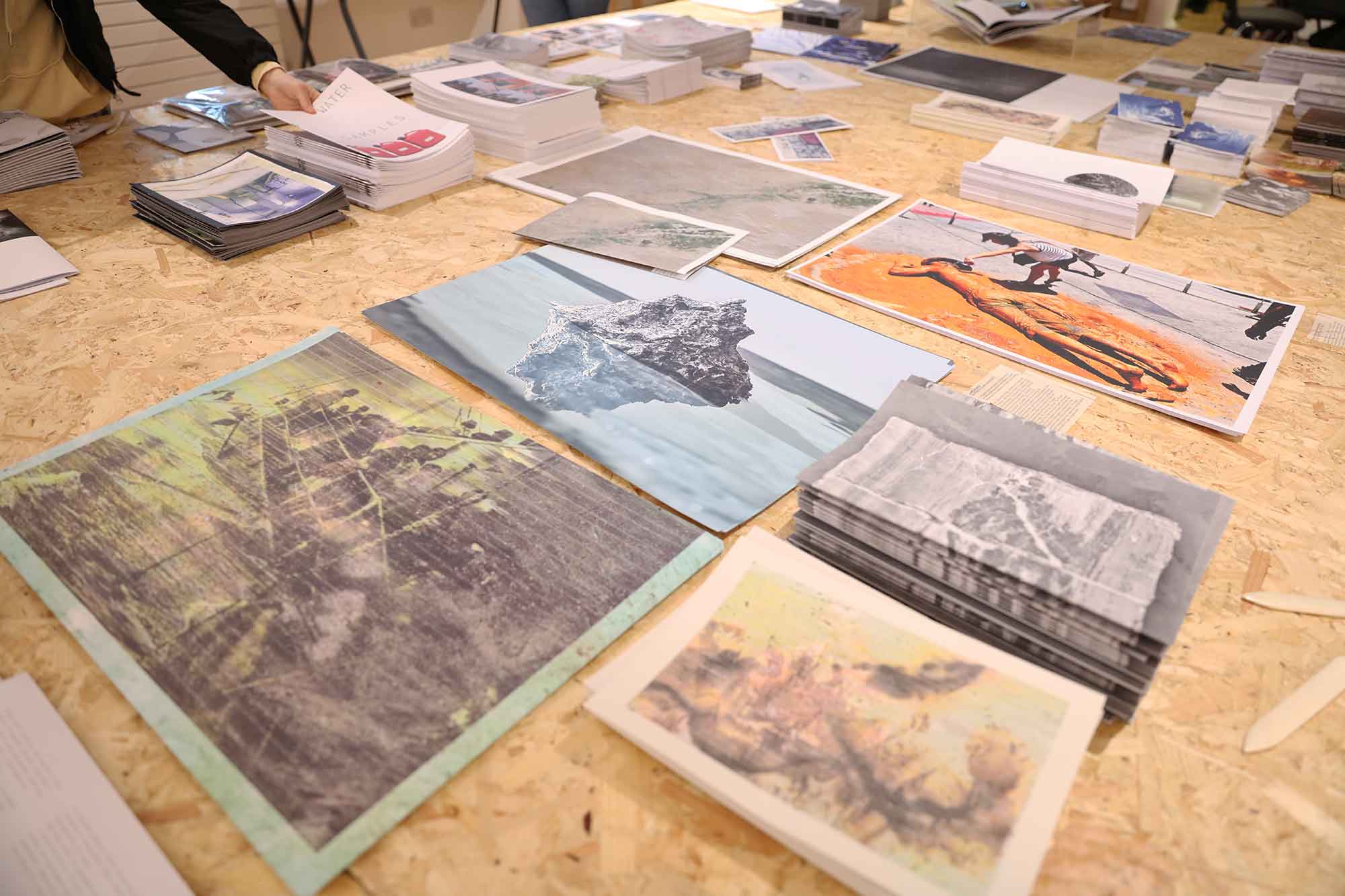
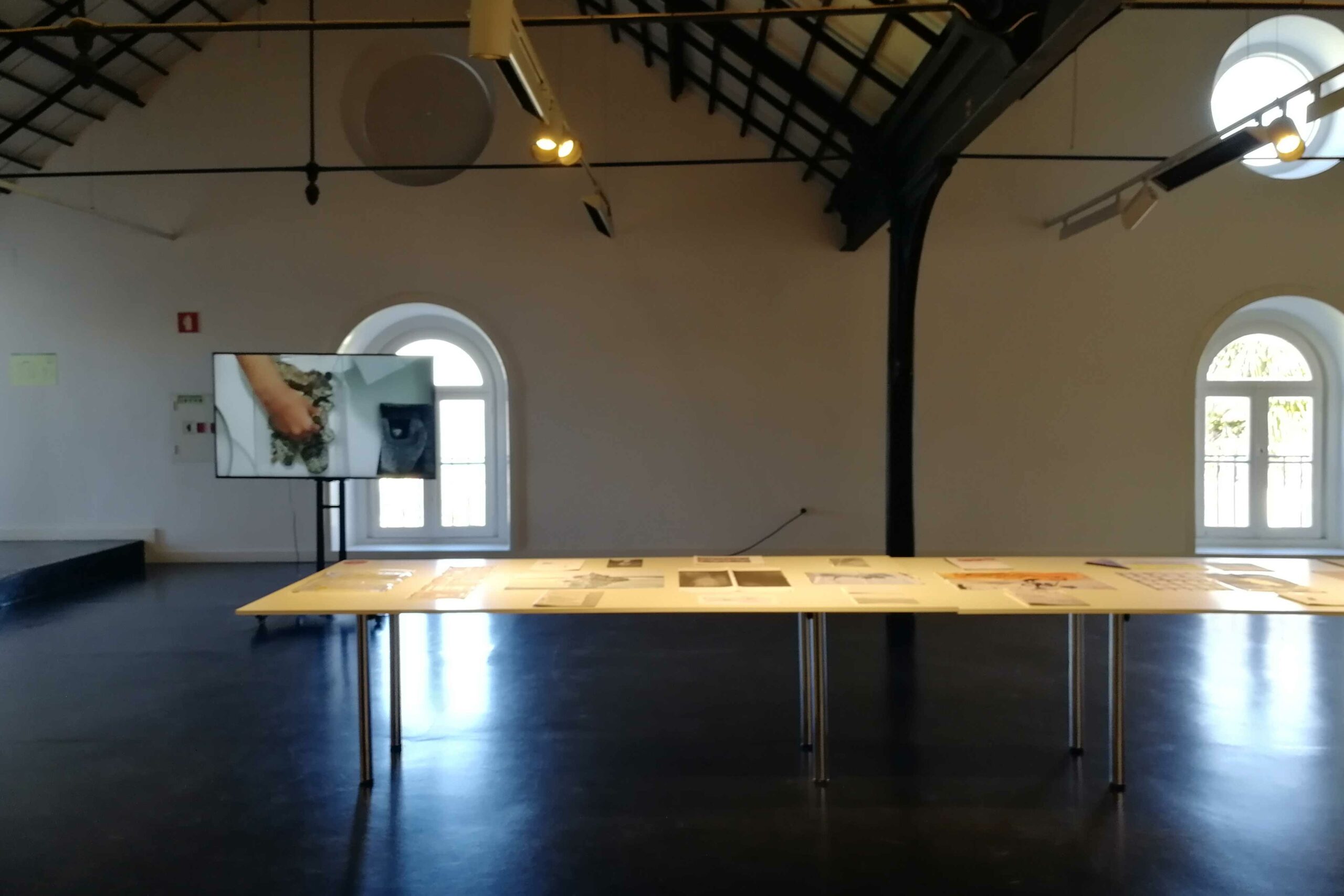
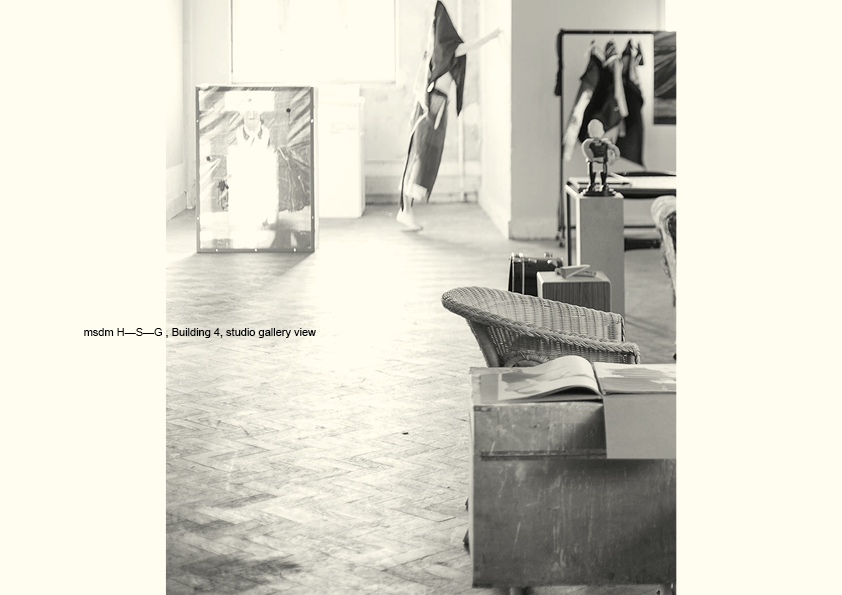
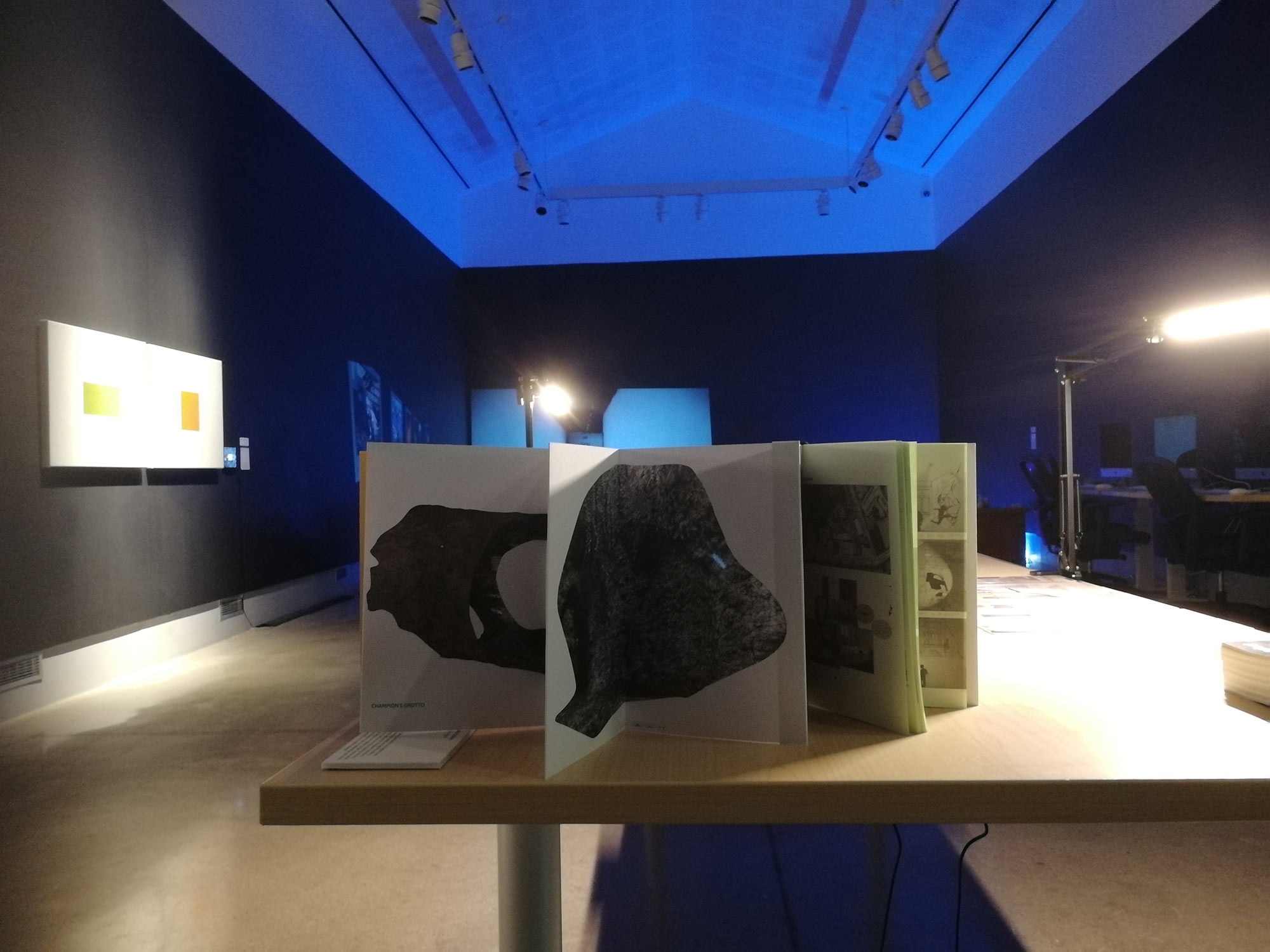
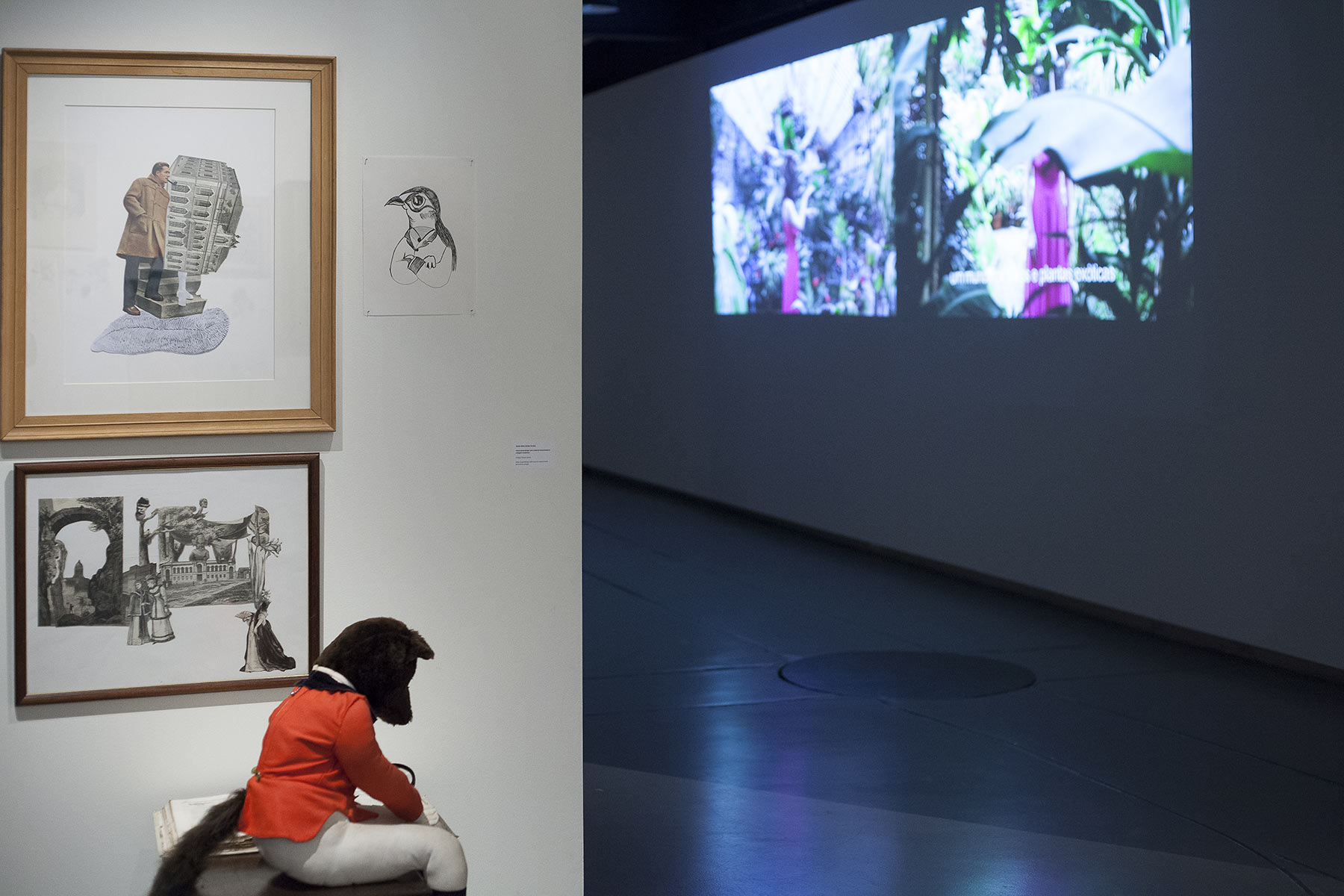
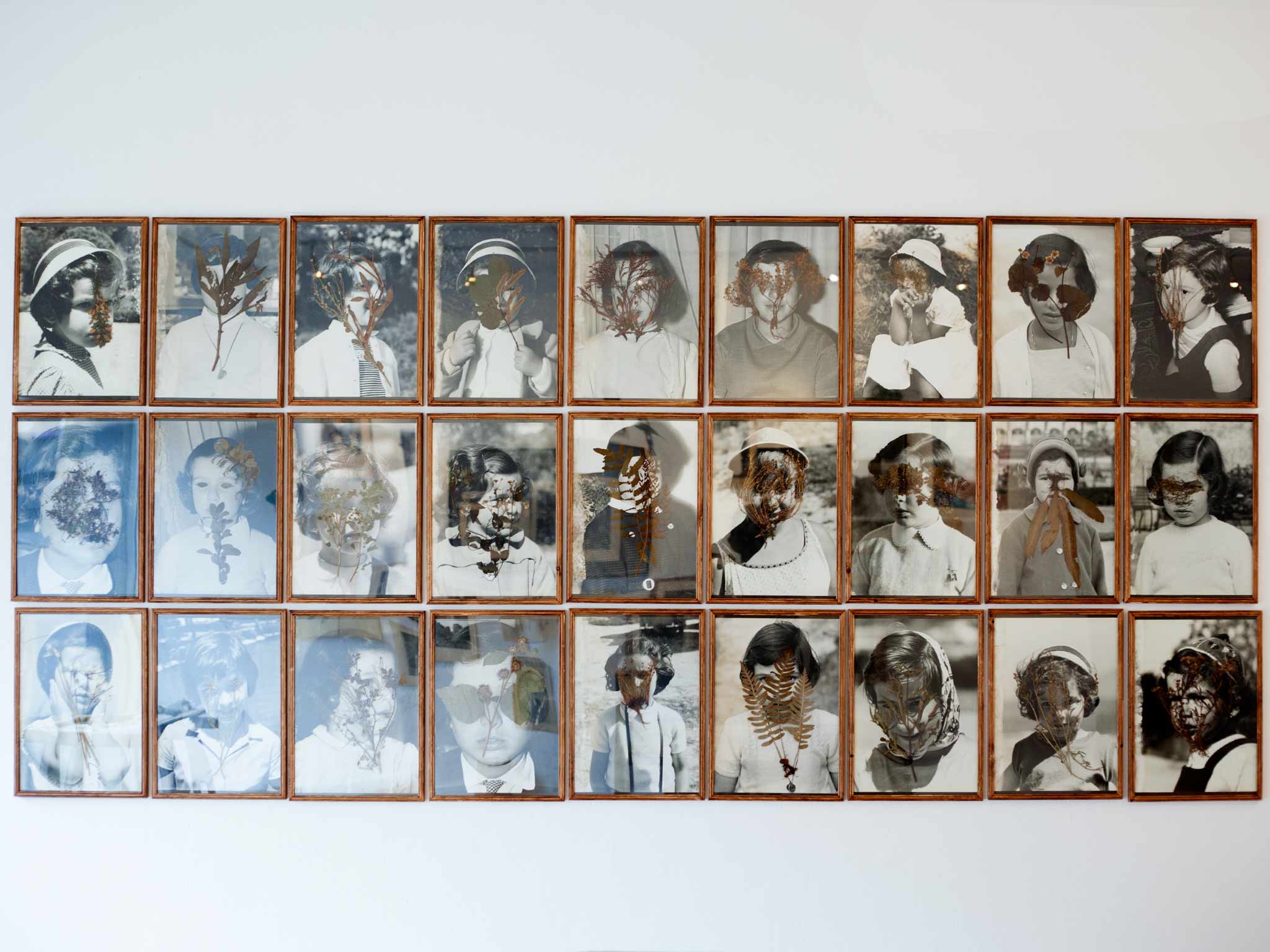
Back from the Conspiracy Dwellings: Symposium on Surveillance in Contemporary Art in the Southhill Park Arts Centre and the photos can be seen in the gallery . The other speakers were Liam Kelly, Pam Skelton, Verena Kyselka, Matthew Shaul, Christine Eyene, Robert Knifton, Alex Haw. Here are the abstracts of their presentations.
Seeing You/Seeing Me: Art and the Disembodied Eye
Liam Kelly, Professor of Irish Visual Culture at the School of Art and Design, University of Ulster, Belfast
Many Northern Irish artists have looked upon the city as a ‘written’ text to be deconstructed. The cities of Belfast and Derry were heavily fortified and defended and as such are where the physical and psychic apparatus of the ‘political troubles’ can best be experienced. These cities have been marked, segregated and intensively surveilled. Both communities in Northern Ireland mark their respective territories by painting kerbstones with appropriate symbolic colours (those of the Union Jack or Irish Tricolour) and by the flying of bunting and flags. Political murals register their echo and call within and between communities – they give notice as communal bulletins. Temporary barricades between the two rival communities have been erected or dismantled over the years or settled into permanent acceptance as necessary ‘so-called’ peace lines. Army and police vehicles and helicopters have daily paraded or surveyed the cities, while army and police stations have become more and more designed for long-term fortification.Derry’s ancient walls have been symbolic of political and religious inclusion and exclusions for centuries. The role of the walls of Derry (built in the 1600’s) has not changed. As with strategic buildings (e.g. those in the New Lodge area of Belfast) extensive and sophisticated surveillance equipment surveill ‘hot’ areas of the city.
A number of artists have dealt with issues of surveillance and intelligence gathering, notably Willie Doherty (in his earlier work) and Locky Morris. In The Walls (photo/text work, 1987) Doherty arranges text to settle over sections of a horizontal panoramic view of the Bogside area of Derry in daylight and the elevated dark inner side of the city walls from which we/the artist the colonised/the coloniser take in the view and take up a position. The Walls lingers with the legacy of the colonised and the coloniser in its absences and presences. From the inner, walled city, captioned ‘WITHIN/FOREVER’ (in loyalist blue), we survey the outer/other, the Bogside, captioned’ ALWAYS/WITHOUT’ (in Republican green). Jean Fisher points to the fragility of the seeing/being seen relationship in The Walls:
‘As we imagine that, with powerful lenses, we could penetrate the interiors of the facing windows, so we also become aware that those eyes may see us. Indeed, were it not for the presence of this gaze of the other, we should not be able to assume the: sovereignty of power that this position affords us. The seeing/being seen dyad is a question of both position and disposition: I see you in the place I am not. However, what The Walls brings into relief is that this narcissistic relation between oneself and one’s other beyond the given boundary is inscribed with a profound uneasiness’?
This paper will examine the emotional fabric of the surveilled environment and how Northern Irish artists have represented, interrogated or engaged with surveillance and the seeing/being seen binary.
Liam Kelly is Professor of Irish Visual Culture at the School of Art and Design, University of Ulster, Belfast and a former member of the Visual Arts Committee of the Arts Council N. Ireland. He holds a BA (Hons.) degree in the History of European Art from the Courtauld Institute of Art, University of London, and a Ph.D from Trinity College, Dublin He is a writer and broadcaster on contemporary Irish and international art.
Art and the Stasi Archive – Warnings from History. The Case of the Conspiracy Dwellings
Pam Skelton, Artist and Senior Lecturer in Fine Art, University of Arts London
This paper presents a case history of a recent international visual arts project Conspiracy Dwellings first shown in Erfurt in 2007 in 6 venues throughout the city. The project was initiated by the author of this paper (British artist Pam Skelton) and German archivist/statistician Joachim Heinrich in 2002 as multidisciplinary collaborative research on the surveillance methods of the Ministry of State Security (Stasi). Set in Erfurt (capital of Thüringen) a city in the former GDR the research focused on the Konspirative Wohnungen (conspiracy dwellings), essentially ‘safe houses’ (mainly rooms in flats and offices) where the Stasi officer instructed and received information from his informant The project had been made possible by the retrieval of dossier F78 Strassendatei found by the Stasi Records Office, Erfurt in response to an application made by the project and made available after personalized data was made anonymous. The dossier contained the files that refer to the 483 conspiracy dwellings active in Erfurt from 1980-1989.
Working with local partners in science, government and culture meant that local needs and issues relating to the project could be met as well as facilitating shared ownership to local collaborators. The project aimed to raise awareness of Stasi surveillance but also surveillance practices today, following 9/11 when the citizen may once again be considered a potential enemy of the state. Avoiding the polarization between victim and perpetrator the work drew attention to the structure of surveillance rather than the identification of individual conspiracy flats. Nevertheless, despite its intentions Conspiracy Dwellings is an example of how an art project can be hijacked by a fund holder for political gain and raises complex issues about ethical codes and practices for government bodies such as the ‘Thuringen State Commission for the Records of the State Security Service of the former GDR’. Events came to a head with attempts at control and censorship and the support of an on-line publication of the conspiracy dwellings addresses. These events were orchestrated to coincide with the art exhibition against the wishes of the artists and outside of the parameters agreed by the project. But the State Commission had done its homework, and the publication of this data is legal in Germany according to a law that made the Stasi an exceptional case by-passing the normally strict laws of data protection and confidentiality. These results are both a warning to art practitioners and theorists alike.
Pam Skelton is an artist and Senior Lecturer in Fine Art at Central Saint Martins College of Art and Design London. Her projects embrace both art and research practices using as resources archives, art, history, cinema and documentary to reveal and re-construct obscured narratives, principally in post world war II Europe. “In my work sites and spaces are seen as storage receptacles of past events where traces of histories are embedded”.
Pigs like Pigments: Informers Have Sharp Ears… and an Artist Becomes an Enemy
Verena Kyselka, Artist, Germany
In the 80s a strong artistic underground scene was developed in the former GDR which in difference to the socialist realism –the official and dogmatically art movement- was not only very creative, but also produced vital art works.
The State Secret Service was surely spying on this subversive art scene. Stasi informers were spread even among artists and sympathizers, who would push art actions more than other members, to ensure thus better reports for Stasi . The sequences of these activities would lead to interrogations, inquiries, investigations, court proceedings and fines imposed. The reports of observation and persecution are collected in extensive files, where many reports of the former surveillance can be found.
In the underground scene I had my first exhibitions in private flats and was under surveillance. My activities were archived in a Stasi file as Operative Control of Individual (OCI) code-named “Pigment”. On the basis of my experience and examples of my former circle of artist friends, I want to present how under an oppressive regimes, artists become enemies.
Verena Kyselka, who grew up in Erfurt, is an artist and freelance curator based in Berlin and Erfurt. Her family’s experience of the Stasi and the consequences of being under surveillance have directly informed her wall based installation ‘Pigs like Pigments’. This includes an earlier work from 1994 which used her Stasi file as a template for a series of silk screens on acrylic glass. For Conspiracy Dwellings, Kyselka has created new works using her Stasi files again to explore and present both the reality and the fiction surrounding her ‘story’ in relation to her archive. Presented as posters, this new aspect of the project includes an interview with a former informer, a series of C-print photographs and a surveillance report from her archive called Geography of Surveillance.
The Impossibility of (Socialist) Realism: Photographer Gundula Schulze Eldowy and the East German Secret Police
Matthew Shaul, Head of Programming and Operations, University of Hertfordshire Galleries
The paper deals with the work of photographer Gundula Schulze Eldowy and the East German Secret Police’s increasingly ineffectual attempts to constrain her photographic practice, her attempts to exhibit her work and debate around it in East Berlin in the mid to late 1980s. It shows numerous examples of her works and draw in the paper on both the Stasi’s observation reports on her and her work as well as interviews with her and other artists participating in the Do Not Refreeze exhibition at the University of Hertfordshire Galleries.
Matthew Shaul is the Head of Programming and Operations at the University of Hertfordshire Galleries.
Oppression and Censorship: Aesthetics and Lived Experiences in 20th Century South African Art
Christine Eyene, Birkbeck College, University of London
This paper will seek to retrace how South African artists inscribed the effects of oppression in their art, in forms as minimalist as the drawings of Dumile (1960s), to open statements like Gavin Jantjes silkscreens (1970s). It will also look at specific cases of censorship (Jantjes’ Colouring Book, 1976 and Sue Williamson’s Modderdam Postcards 1977) as well as the death of Steve Biko as an iconographical theme.
Photography will be approached as the prime medium by which arose political awareness. The journal and agency Drum (1950s) and Afrapix (1980s-90s) were heavily touched by censorship. Yet, we would also like to consider the notions of aestheticised imagery, of framed reality, the blurring the frontier between art/fiction and reality/realism.
In the 21st century South Africa is still addressing a number of social issues. With a government failing to tackle homelessness, unemployment, insecurity, HIV-AIDS, corruption etc. How do artists voice their concern or protest, if any. What is the public response to their work?
Christine Eyene is a 2nd year MPhil student in art history with Professor Annie Coombes at Birkbeck College, University of London. Her area of research is sociopolitical iconography in South African art. Eyene is also art critic and publishing director of French journal Africultures and a recent contributor to Third Text, published by Routledge.
‘You’ll Never Walk Alone’: CCTV in Two Liverpool Artworks
Robert Knifton, AHRC Collaborative Doctoral Student at MIRIAD, Manchester Metropolitan University and Tate Liverpool
On 12 February 1993 one of the most notorious crimes in recent British history occurred – the abduction and subsequent murder of James Bulger in Bootle, Liverpool. The moment of the toddler’s removal from the shopping centre by the two older children was captured on CCTV. Although the image it produced helped to enact punishment in the case, it could not prevent the crime. As Jennifer Friedlander notes, ‘The camera which recorded the image was installed to deter theft; the purpose of its presence was to protect things and not people.’ The surveillance image of the Bulger abduction became iconic, being reproduced frequently in press and television forms, initially as a marker in the search for the missing child, but later as emotive visual shorthand for the crime.
In 1994 Jamie Wagg exhibited History Painting: Shopping Mall, a work based upon this widely reproduced image, in the Whitechapel Open Exhibition. The artwork was a photograph of the CCTV image taken from a TV news broadcast, digitally manipulated and then printed out in large format. Its exhibiting led to a media furore. The press vilification of the artist for using an image the media had already globally disseminated raises a host of issues about art’s engagement with CCTV, crime and surveillance. Does artistic framing fundamentally alter the viewing dynamics of CCTV?
Move on ten years to 2004 and Liverpool has the largest CCTV network of any city in England: 242 cameras monitored by Citywatch. For the Liverpool Biennial of that year Jill Magid utilised the CCTV system to create Retrieval Room and Evidence Locker. Wearing an easily distinguishable red leather coat, Magid walked Liverpool’s streets being recorded on the CCTV network. She then requested the footage under the Data Protection Act, her subject access request forms taking the format of love letters to ‘the observer’, the CCTV operator. Over 31 days the artist developed a relationship with the Citywatch controllers, asking them to film her in particular places or poses, and in one instance guide her blindfolded through the city centre. As Ceri Hand remarks, ‘Liverpool Citywatch operators’ willingness to participate in, collaborate with and facilitate Magid’s project…enabled her to blur the line between reality and fantasy, social control and mutual trust.’ Magid’s work brings up an uneasy set of contentions about the control exerted through watching but also the desire to be viewed. In one of her access request forms she comments, ‘This place is anonymous; no one knows me; you watch me from above. I am your subject; I relate myself to the city by the way you frame me in it. I know when you see me and when you don’t. You can’t hear me or smell me or touch me. You know what I wear and where I go. When I pick up the phone, you don’t know who is speaking to me, unless I am speaking to you. I like that.’ The artist submits herself to the gaze, allows it total power over her, a level of control that was so evidently absent in the Bulger footage.
By examining these two artworks this paper will address the artistic application of CCTV images. Surveillance, voyeurism, control and subverted desire are all different angles this contrasting footage can be viewed from. Finally, I shall attempt to address these points principally from the standpoint of ‘the observed’, the watched rather than the watcher.
Robert Knifton is AHRC Collaborative Doctoral Student at MIRIAD, Manchester Metropolitan University and Tate Liverpool. He co-curated the 2007 Tate Liverpool exhibition Centre of the Creative Universe: Liverpool and the Avant-Garde and co-edited the Liverpool University Press book of the same name. His recent papers include Curating the City as Text: Contesting Art Display using Literary Narrative at Telling Stories, Loughborough School of Art, and his forthcoming publications include a chapter on Liverpool artists in Art in the City Revisited, from Liverpool University Press.
Space & Senseability
Alex Haw, Architect, Artist, Writer and Educator, London
This paper explores the emergence of a contemporary digital architecture which refutes the entire history of masonry, mass and monumentality in favour of an increasingly atomised and invisible control infrastructure. The passive, defensive role of architecture has become increasingly active as ephemeral software tracks, scans and automatically databases our wetware, turning subjects into data objects, ceaselessly archiving life in mountainous graveyards of information, but also triggering events of increasing violence, from the bioDNA stain-sprays from reweb to the US military’s employment of their remote control city amongst civilians in Baghdad.
The paper explores the way digital databases have replaced human operators, optics have been usurped by behaviours if they are not to trigger constant alarm sets. I showcase a range of radical new military and civilian technologies which have not yet been critically embraced or subverted by the artistic establishment, and briefly refer to my own artistic practice’s use of surveillant and dataveillant techniques to construct and explore public space. The paper concludes with an evaluation of our contradictory claims to both privacy and exhibitionism, our fear of exposure yet our obsession for location-based tracking services, and an analysis of the ambiguous but complicit role society plays in accepting and enjoying surveillany systems as much as it decries them.
Alex Haw is an architect, artist, writer and educator. He runs the multidisciplinary collaborative practice atmos, which explores architectural ideas across a range of media, focusing on the role of performance, interactivity and the moving image. His work frequently incorporates light, video, electronics and aspects of the climate. A slew of recent projects and writings have focused on the performative yet ambiguous role of surveillance in delineating our cities and lifestyles; a recent paper at a Cambridge conference on the evolution onwards from CCTV has been picked up for expansion into a book with the Oleander Press. Educated at the Bartlett (UCL) and Princeton, he has taught design studios focusing on ephemeral and ambient architecture at the Architectural Association, Cambridge University and the TU Vienna. He has exhibited and lectured globally and is currently a research affiliate at MIT’s SENSEable Cities Lab, exploring the digital domestic landscape.
Flat Screen, No Signal: Body and Location Under CCTV
Paula Roush, Lecturer in Digital Photography, London South Bank University
A quick glance at contemporary media reveals that the state of surveillance occupies a central place in political and entertainment discourses, with a range of ambivalent reactions emerging in reaction to its proliferation of operations and technologies. Not surprisingly, artistic projects account today for a growing interdisciplinary field of practice with a scope for imaginative speculation and critical analysis.
Artistic approaches to surveillance tend to be underpinned by two main elements. On one hand, an awareness of Foucauldian’s panopticism and the underlying emotional relationship between power apparatus, architecture, and the psychology of surveillance; on the other, the deployment of a range of strategies that are site-specific, situationist, and context-aware, emotion-driven relations to public space and the city. As a result, there is an increasing acknowledgment of the complexification of terms, with the exploration of counterveillance and sousveillance tactics and a multiplication of points of view, attitudes and emotions in response to surveillance.
In this scenario, I will be presenting two projects that focus on how people experience, negotiate, resist, comply with, and or enjoy surveillance in their everyday life and the translation of these effects into art practice.
One of these projects is Bowville, commissioned by SPACE for bow wireless, London. In August 2004 as the Home Office prepared to test the efficiency of the electronic tagging systems developed by major UK security companies, the fictional character Marian Manesta Forrester was electronically tagged and given three days to earn her citizenship to Bowville. The locative media performance used off-the -shelf purpose built equipment that simulated the official electronic tagging system to create a game during which people were allowed to vote for and follow the movements of Marian Manesta Forrester to become a citizen of Bowville.
The other project is Soundtrack for a CCTV, which is an imaginary development to current trends in urban surveillance, namely the incorporation of sound in loudspeakers fitted CCTV cameras, in which CCTV operators react to the bad behaviour caught on camera with disciplining messages directed at the unruly pedestrians.
The soundtrack for a CCTV offers a more intimate soundscape which can be heard as part of voyeur project CCTV system, outside the number 14 of Timor Street, where the camera and loudspeaker face the entry door. For one month only, a personalised broadcast for the pedestrians can be heard on location, as live stream at http://www.soundtrackforacctv.msdm.org.uk/ or alternatively subscribed to as podcast and downloaded into an mp3 player.
Paula Roush is an artist and lecturer of digital media in the Arts, Media and English department at the London South Bank University. She joined the BA (Hons) Digital Photography course in August 2006, as senior lecturer. Since 2006, she is also the module coordinator for Thinking Practices: Critical Dialogues in Art and Media in the MA in Art and Media Practices at the University of Westminster, London. Current academic projects include the LSBU funded Teaching and Learning Innovation Scheme on social media in learning. She has worked as artist and curator in a range of new media projects, with the support of Arts Council England, Gulbenkian Foundation UK, inIVA, Space Media Arts and South London Gallery. She has just published the photobook Browser Landscapes and is showing the live stream net project Soundtrack for a CCTV at the Voyeur Project View (Lisbon, PT).