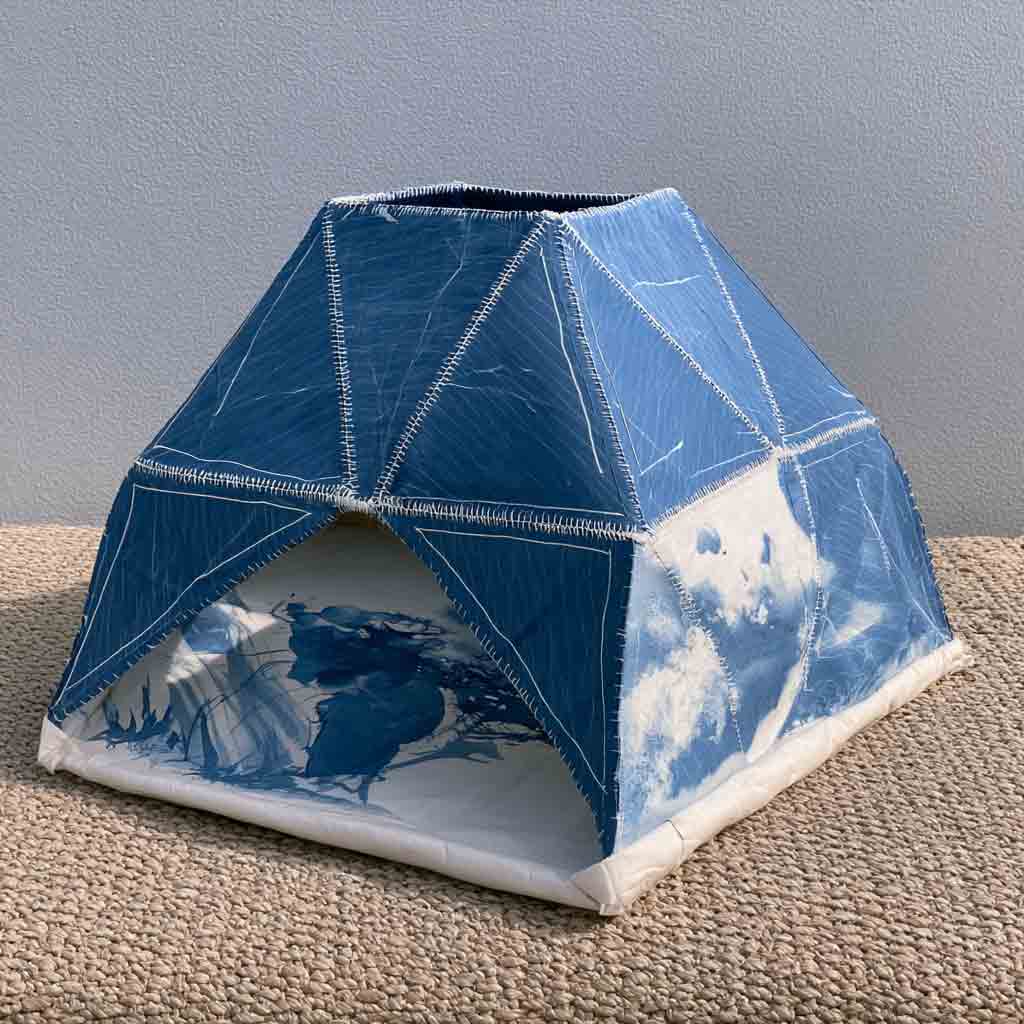

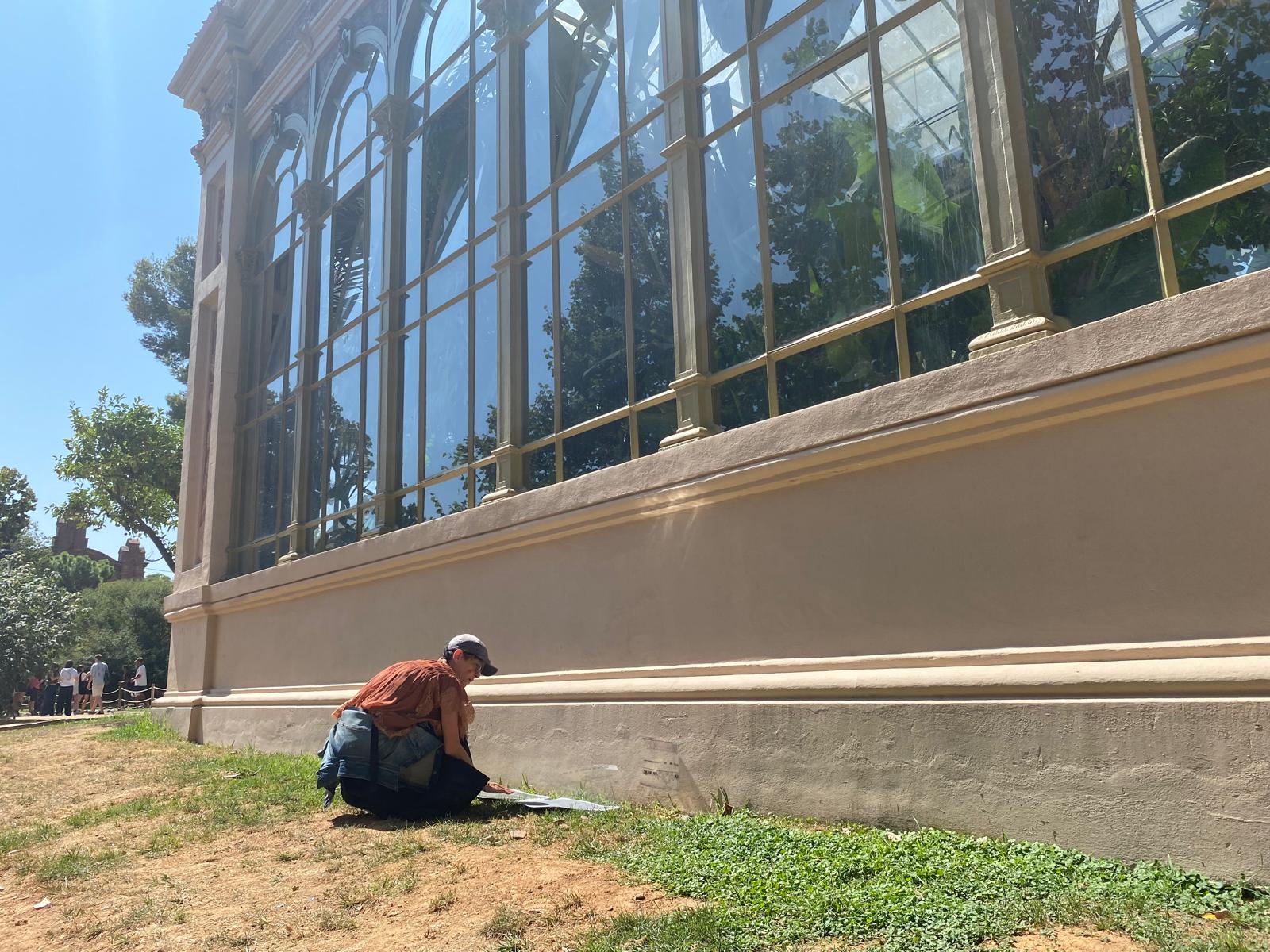
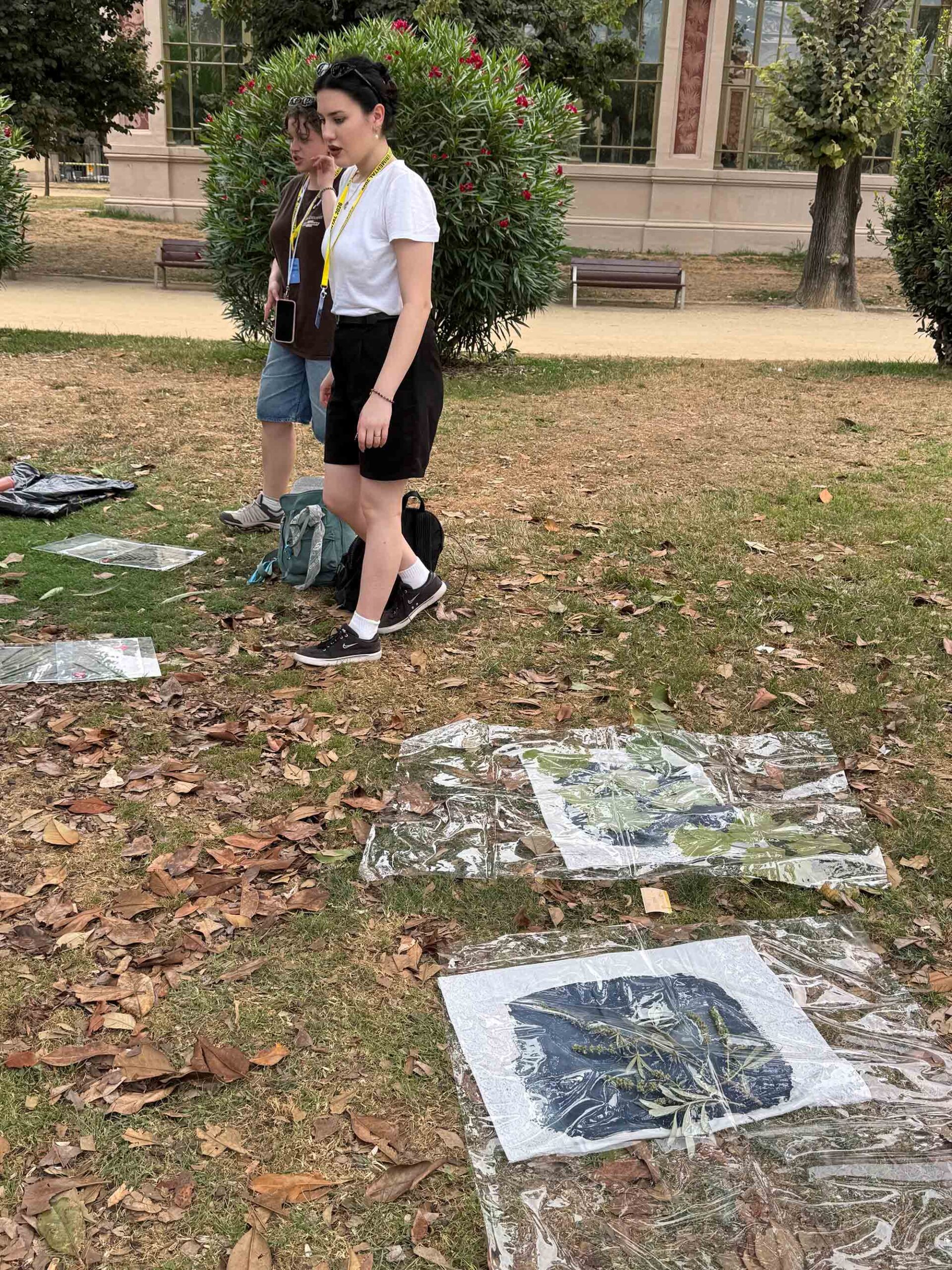
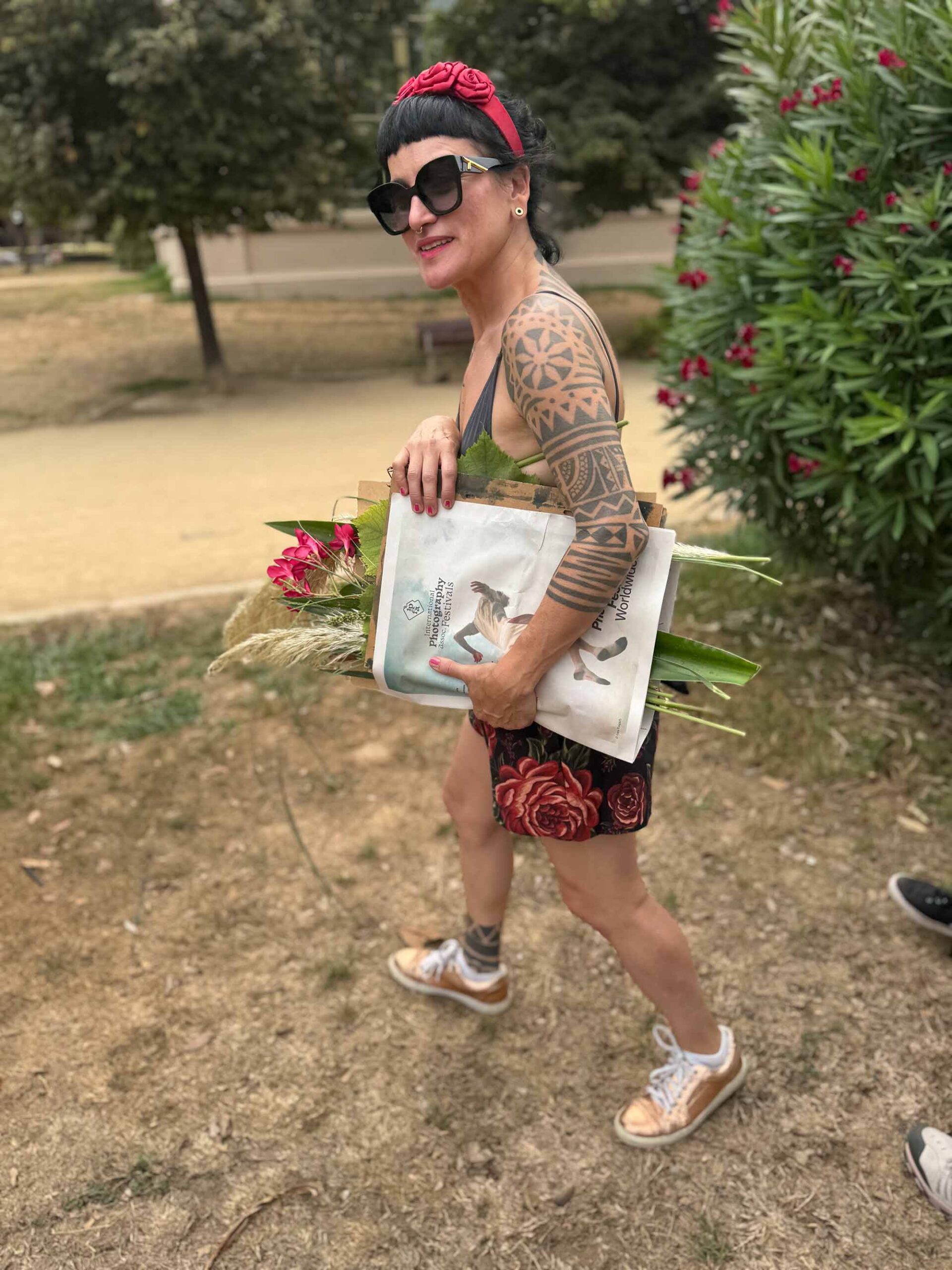
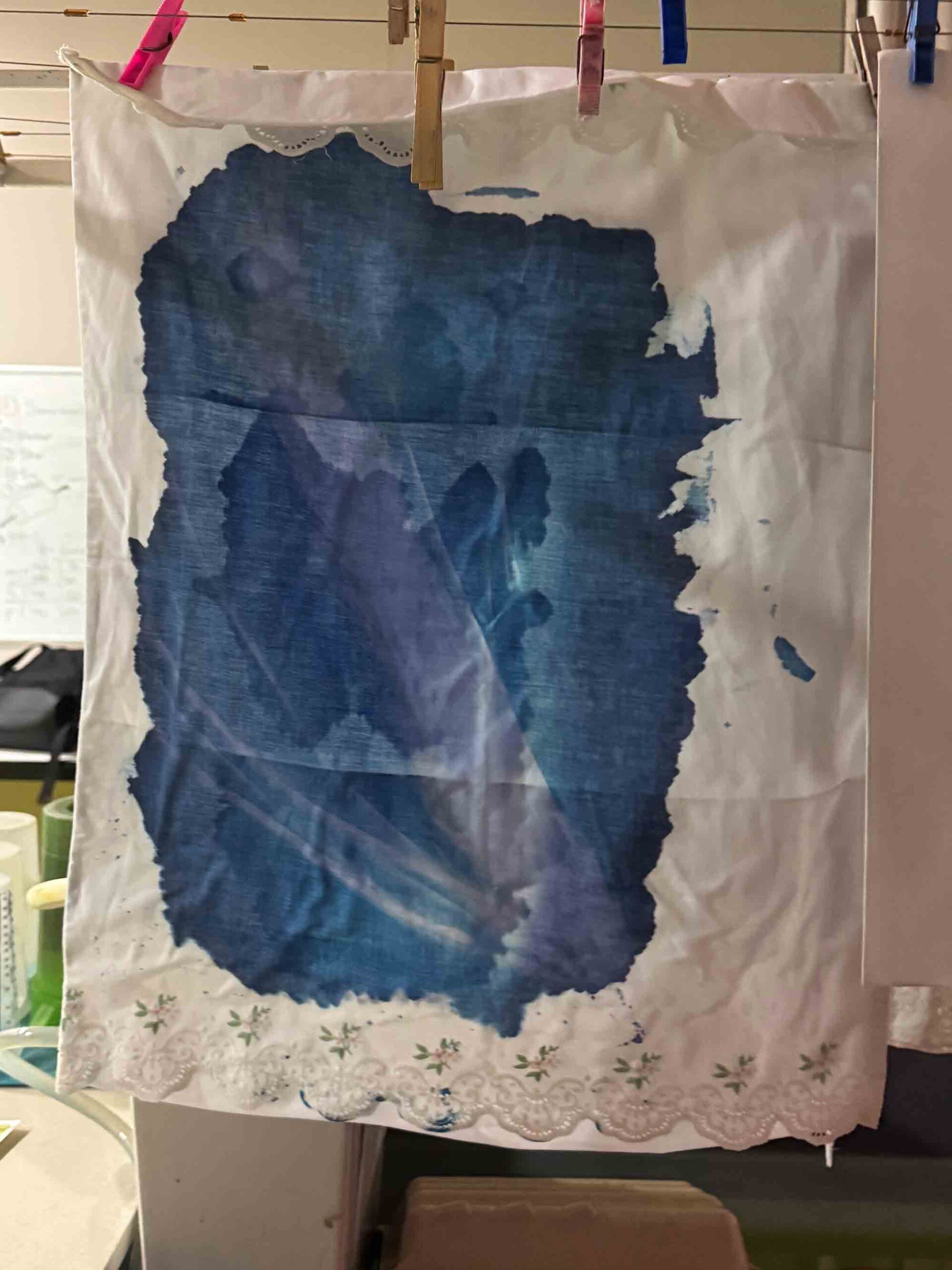
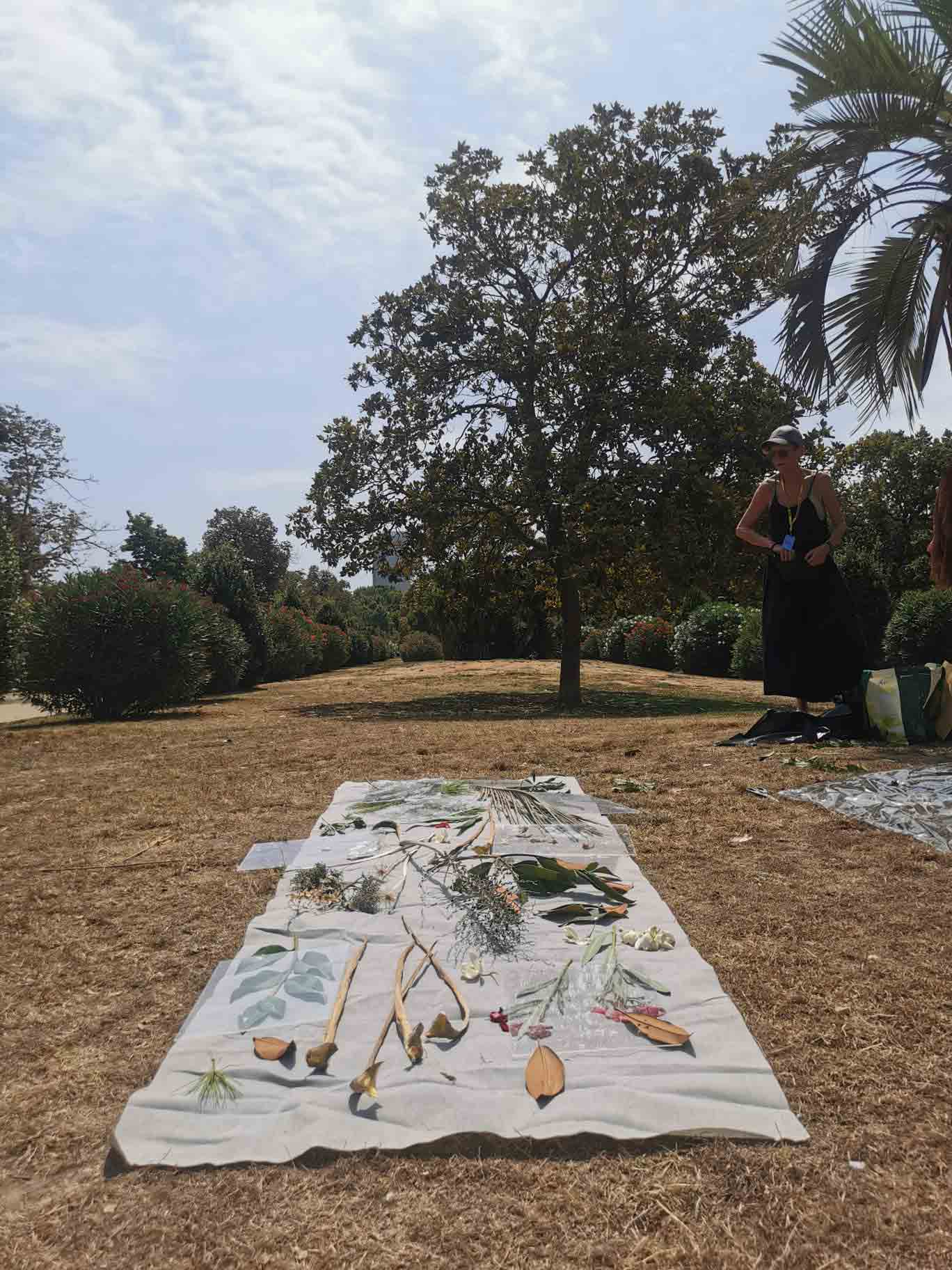
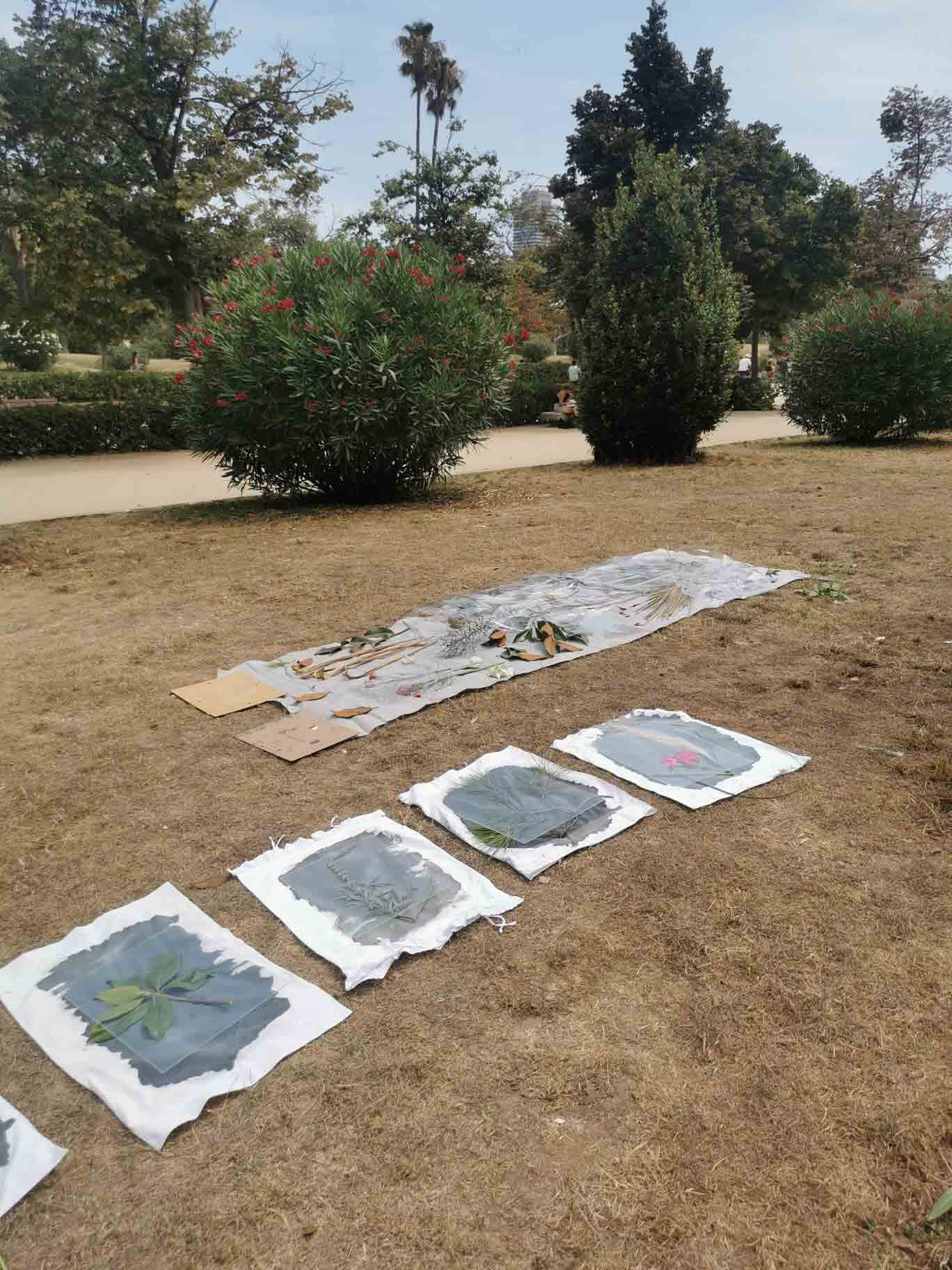
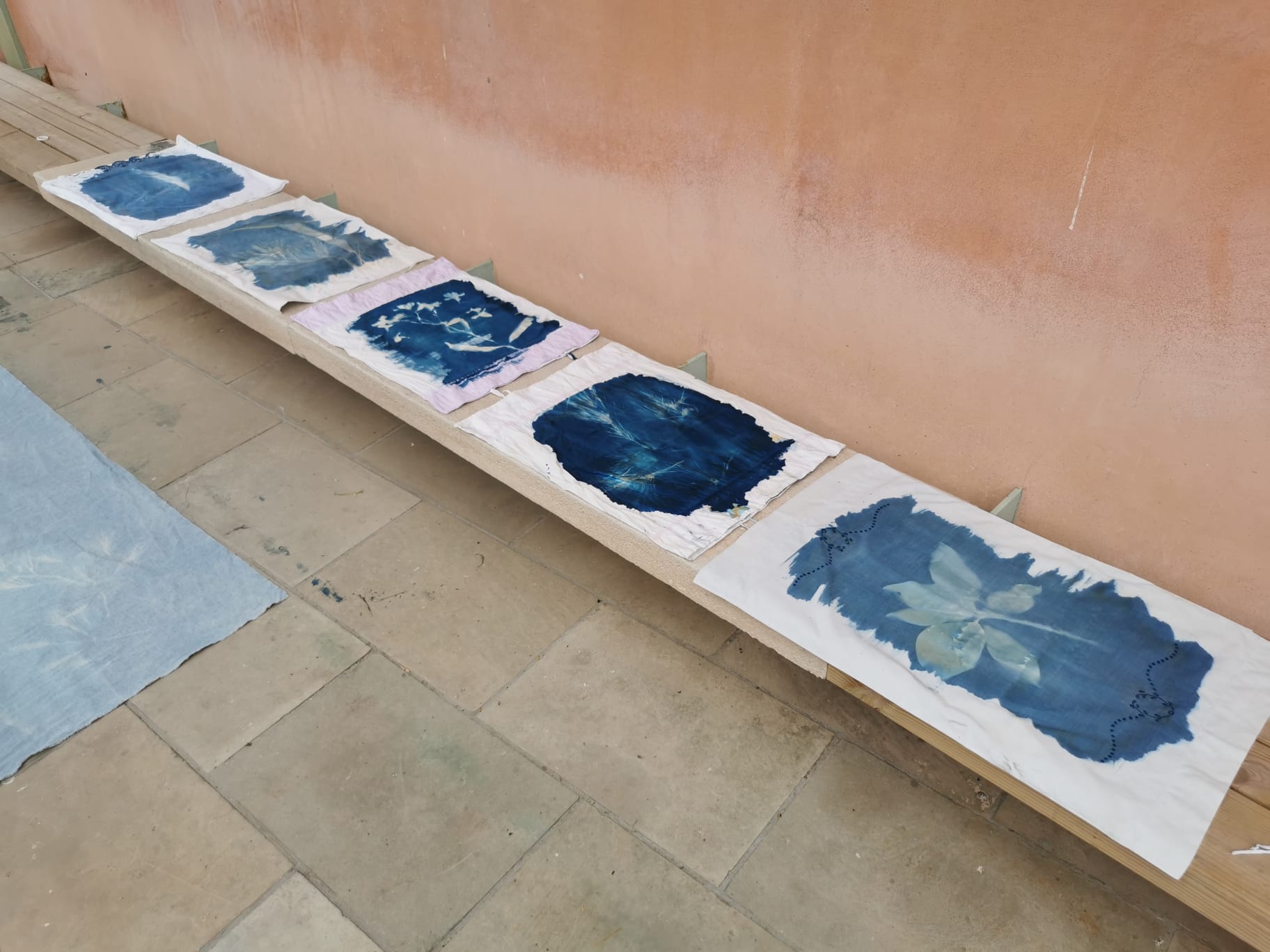
paula roush, Solar printing, Hivernacle, Parc Ciutadella, Barcelona. Photograph by Cesário Alves
Terrain Vague Ecologies
Fieldwork, Solar Photography and Computational Practices
An editorial, photographic and computational investigation into post-industrial landscapes through walking, solar photography, botanical fieldwork and generative image-making.
From Editorial Cartography to Field Investigation
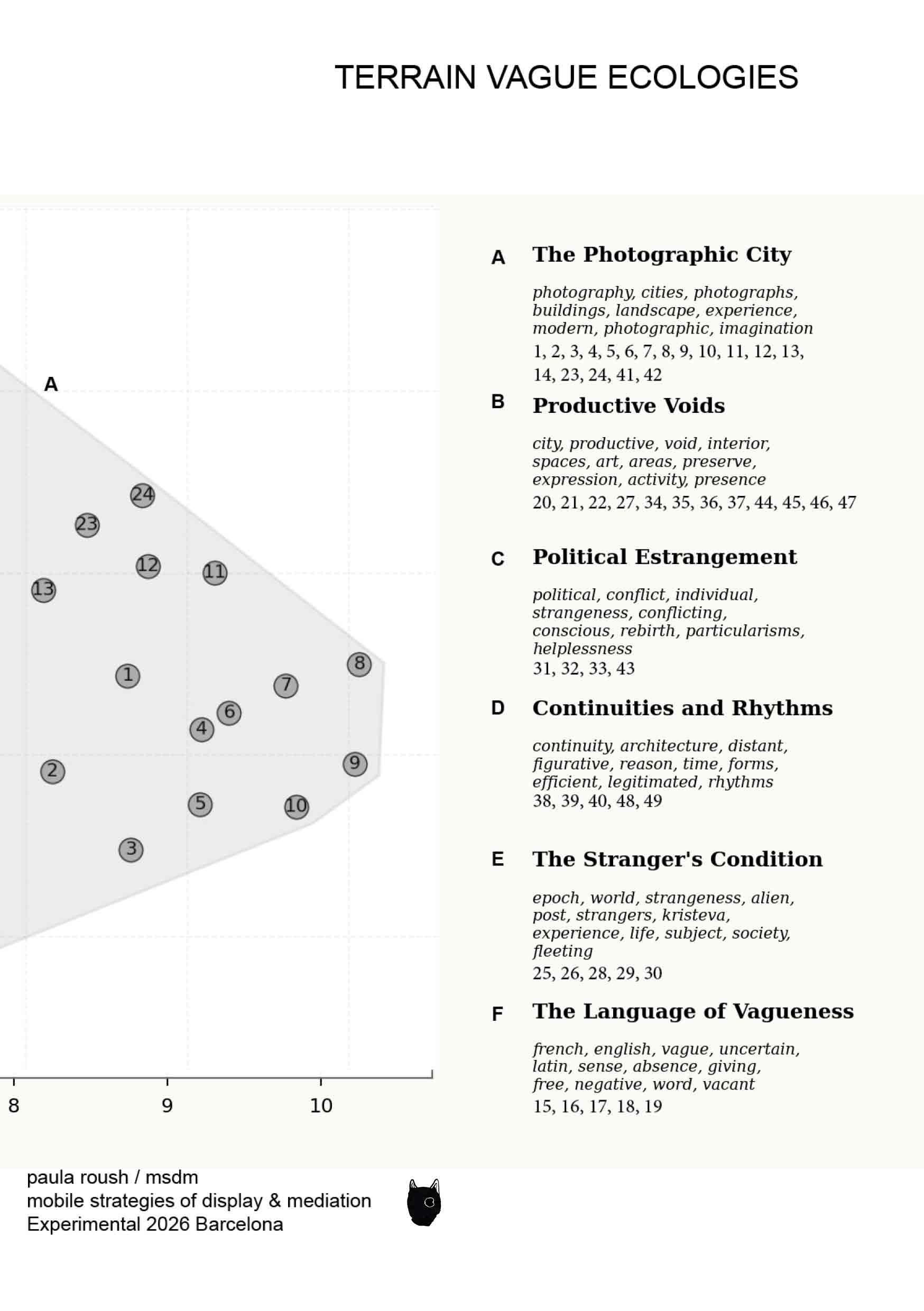
Terrain Vague Ecologies began with a close reading of Ignasi de Solà-Morales' seminal essay Terrain Vague. Rather than treating the text as theory alone, the project translated its conceptual structure into an editorial cartography, extracting six constellations of ideas and forty-nine textual fragments that became the first computational map of the research.
This initial publication established a conceptual field.
The next step was to enter the landscape itself.
Walking the Terrain
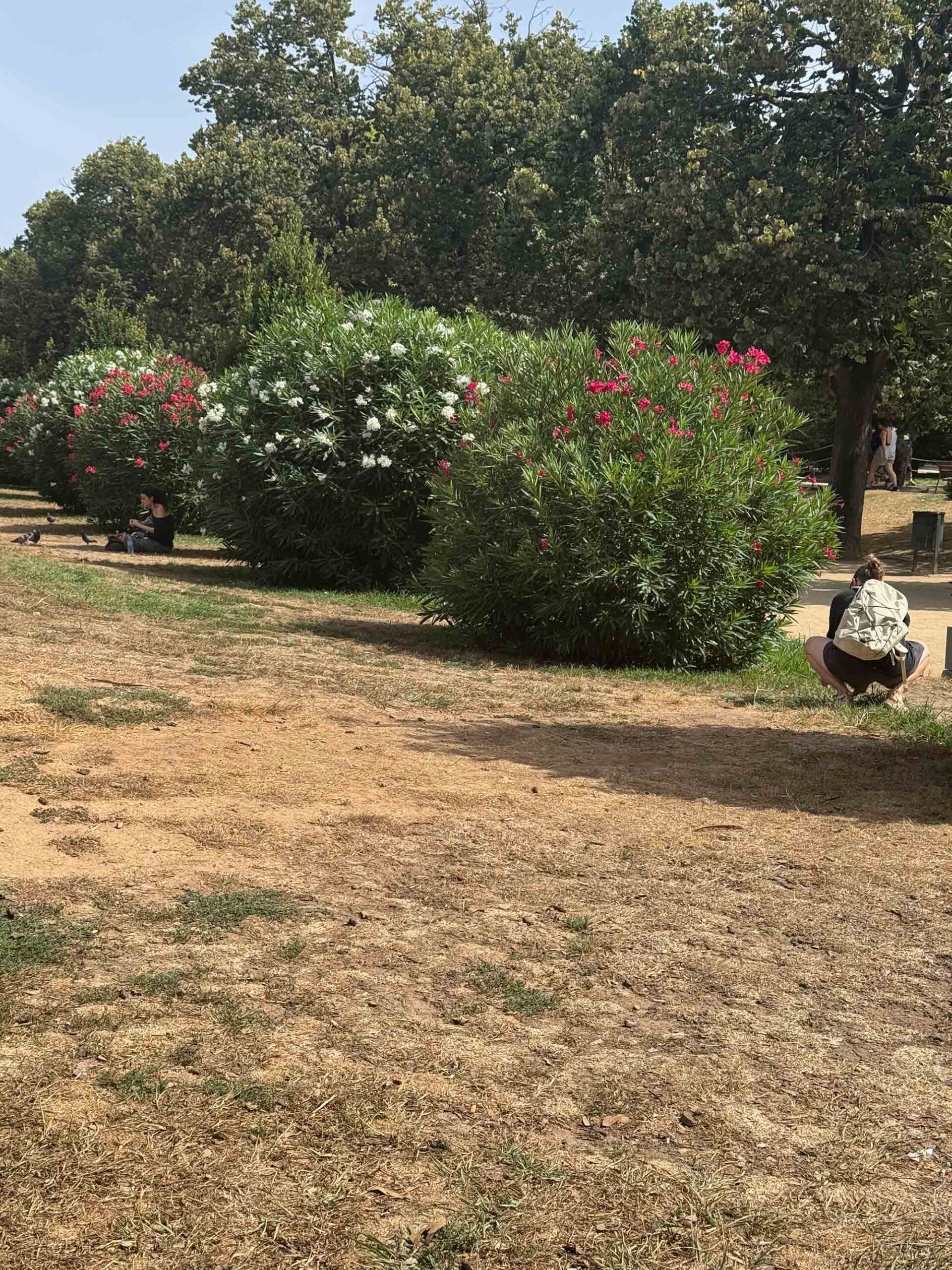
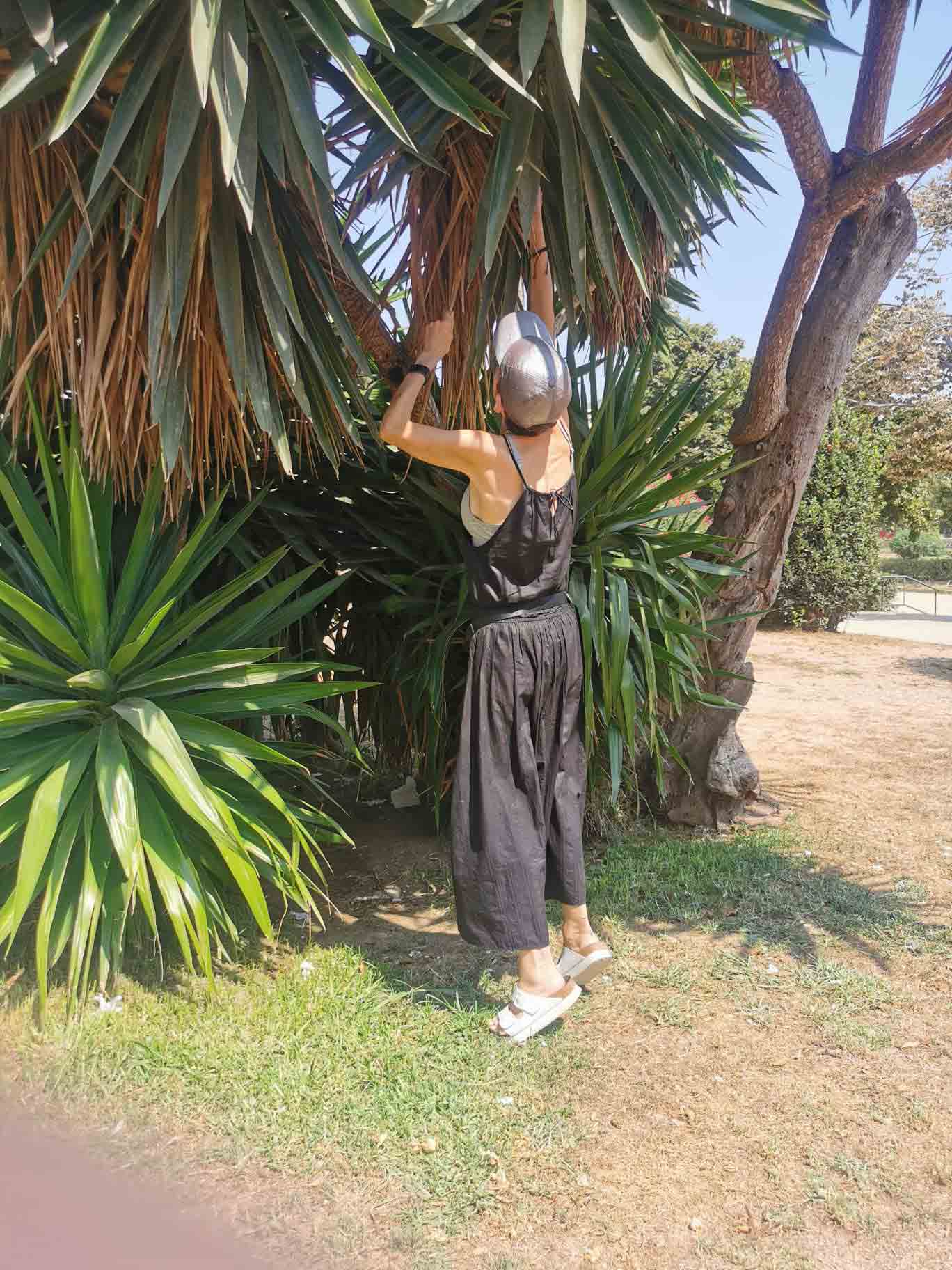
The investigation moved from editorial cartography to situated fieldwork in Parc de la Ciutadella, Barcelona.
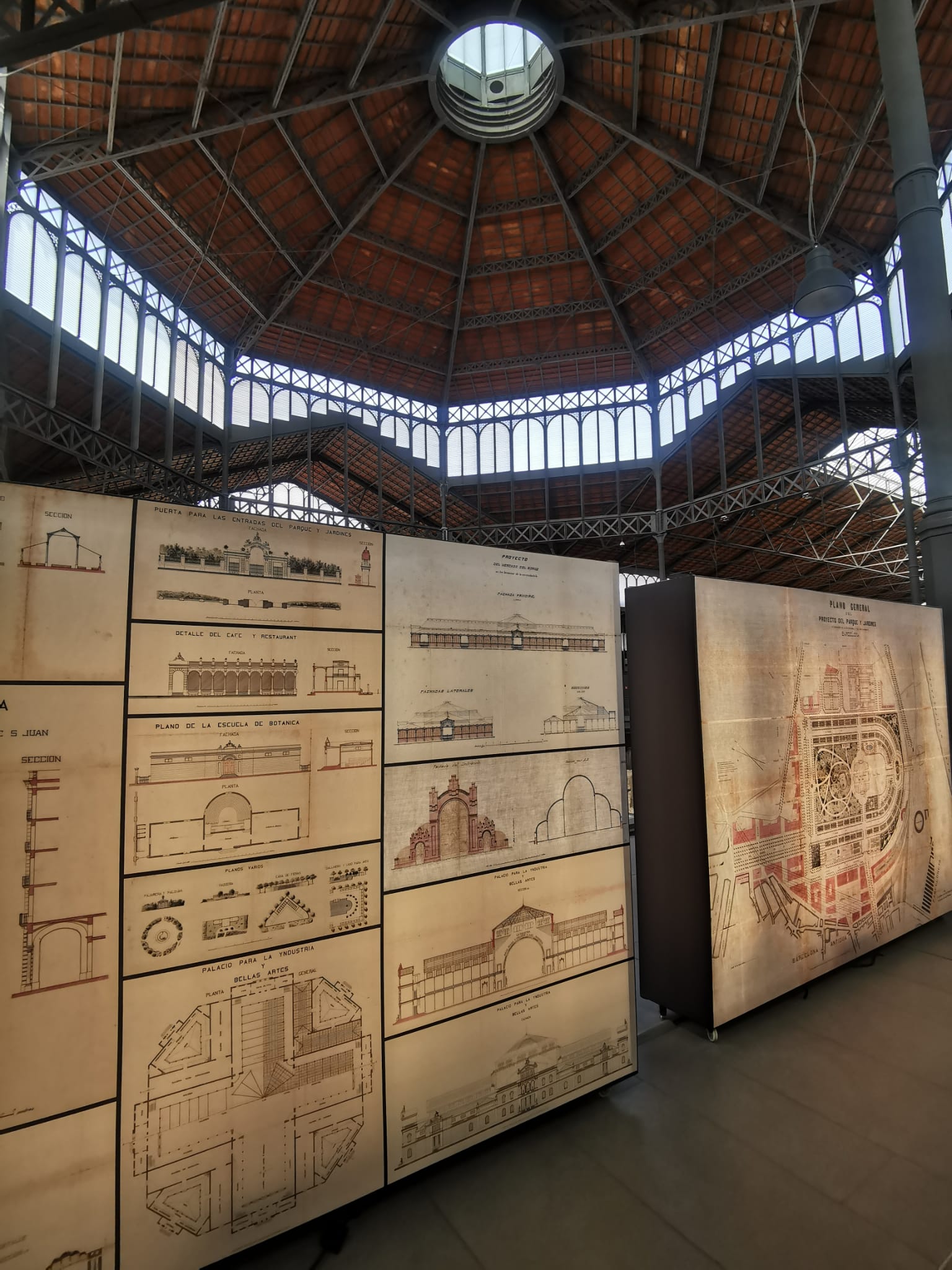
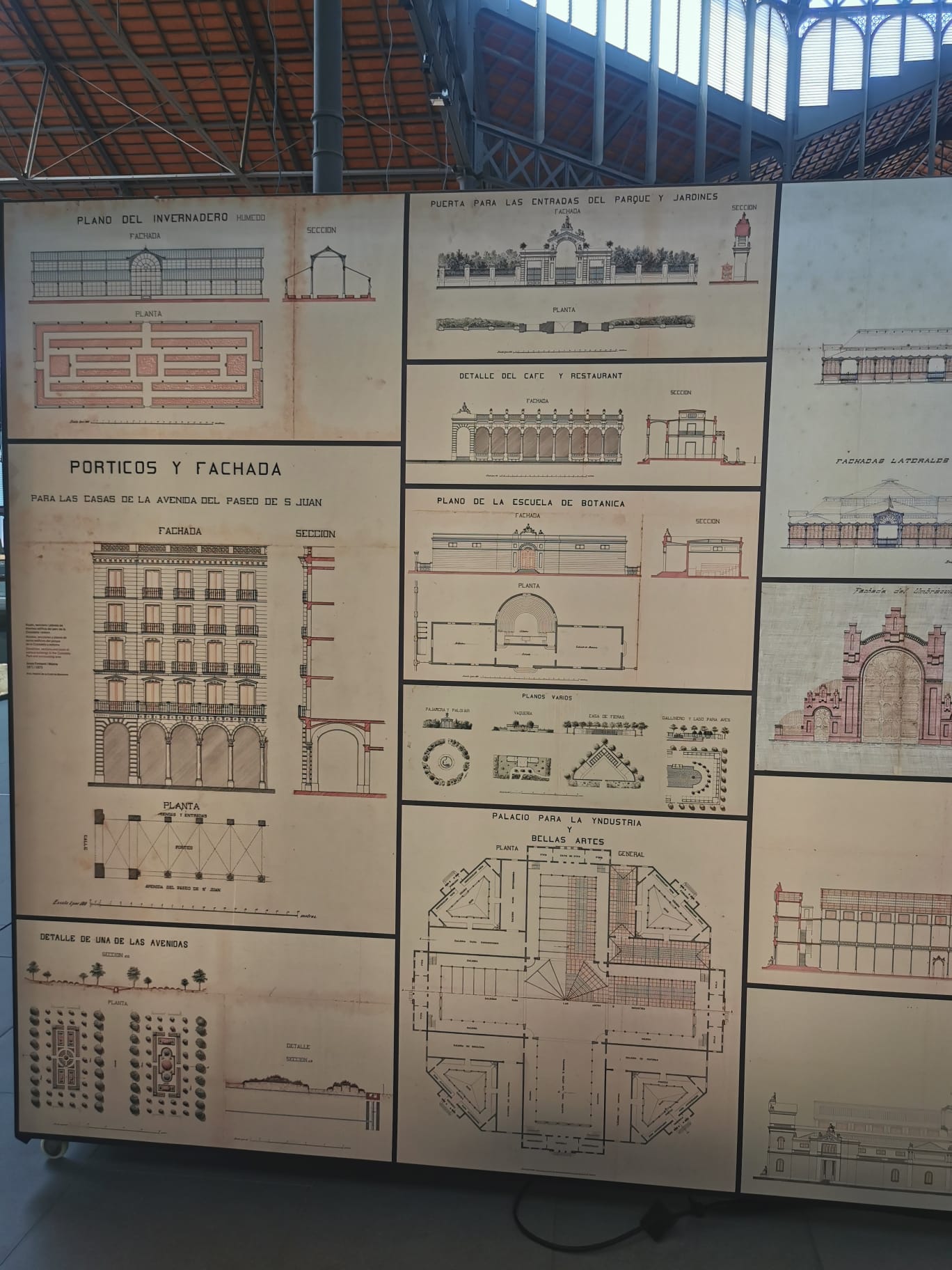
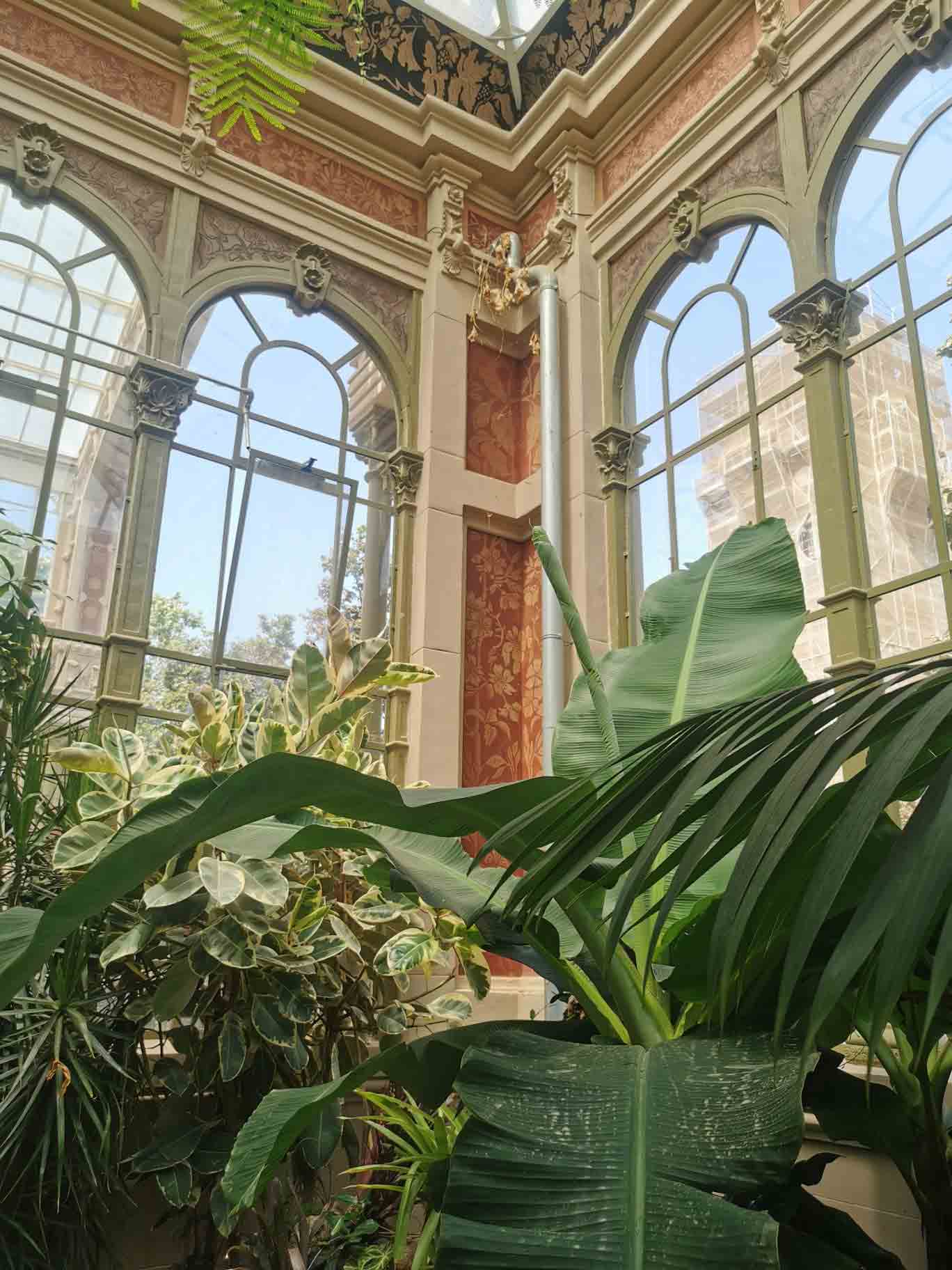
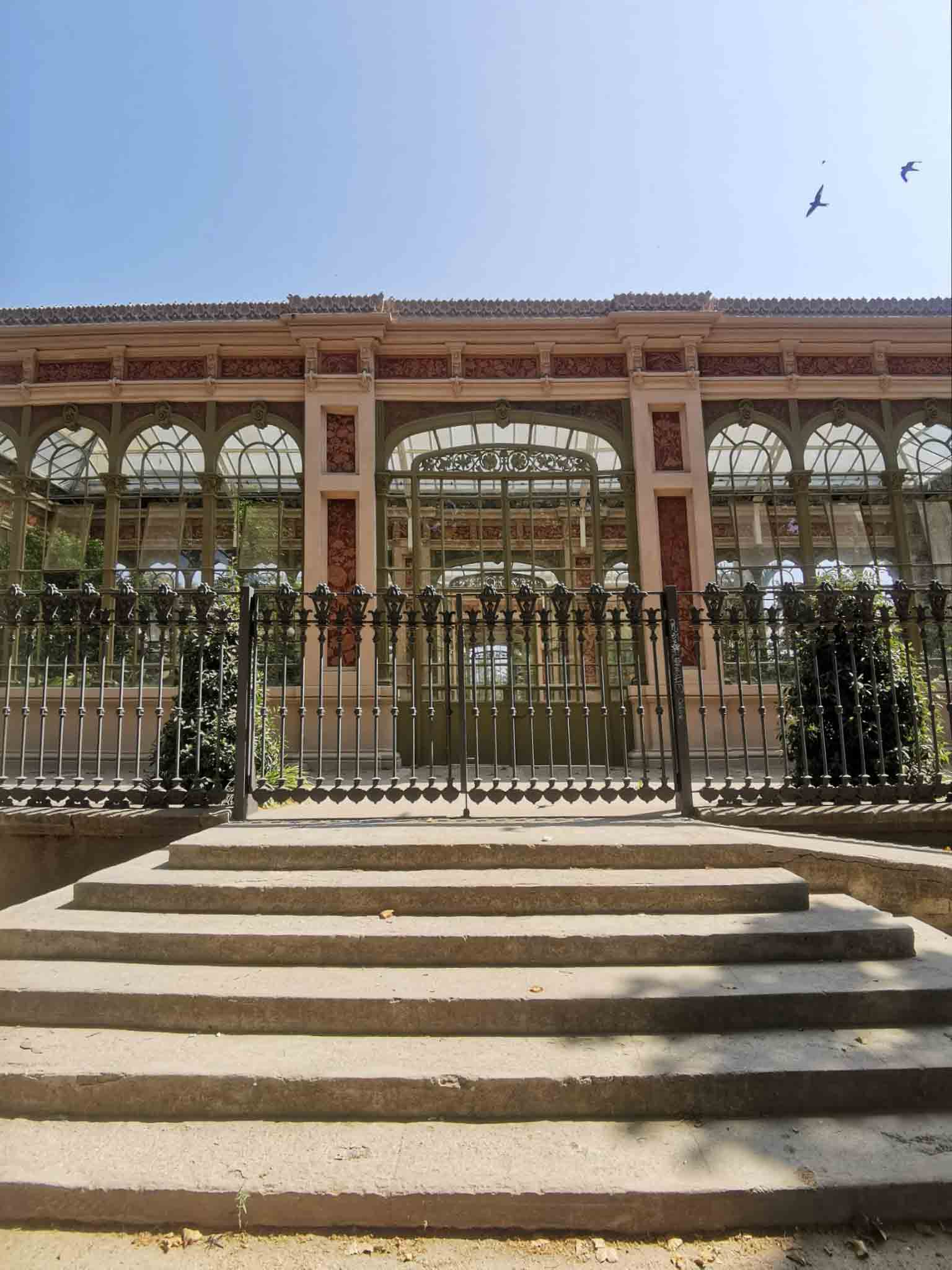
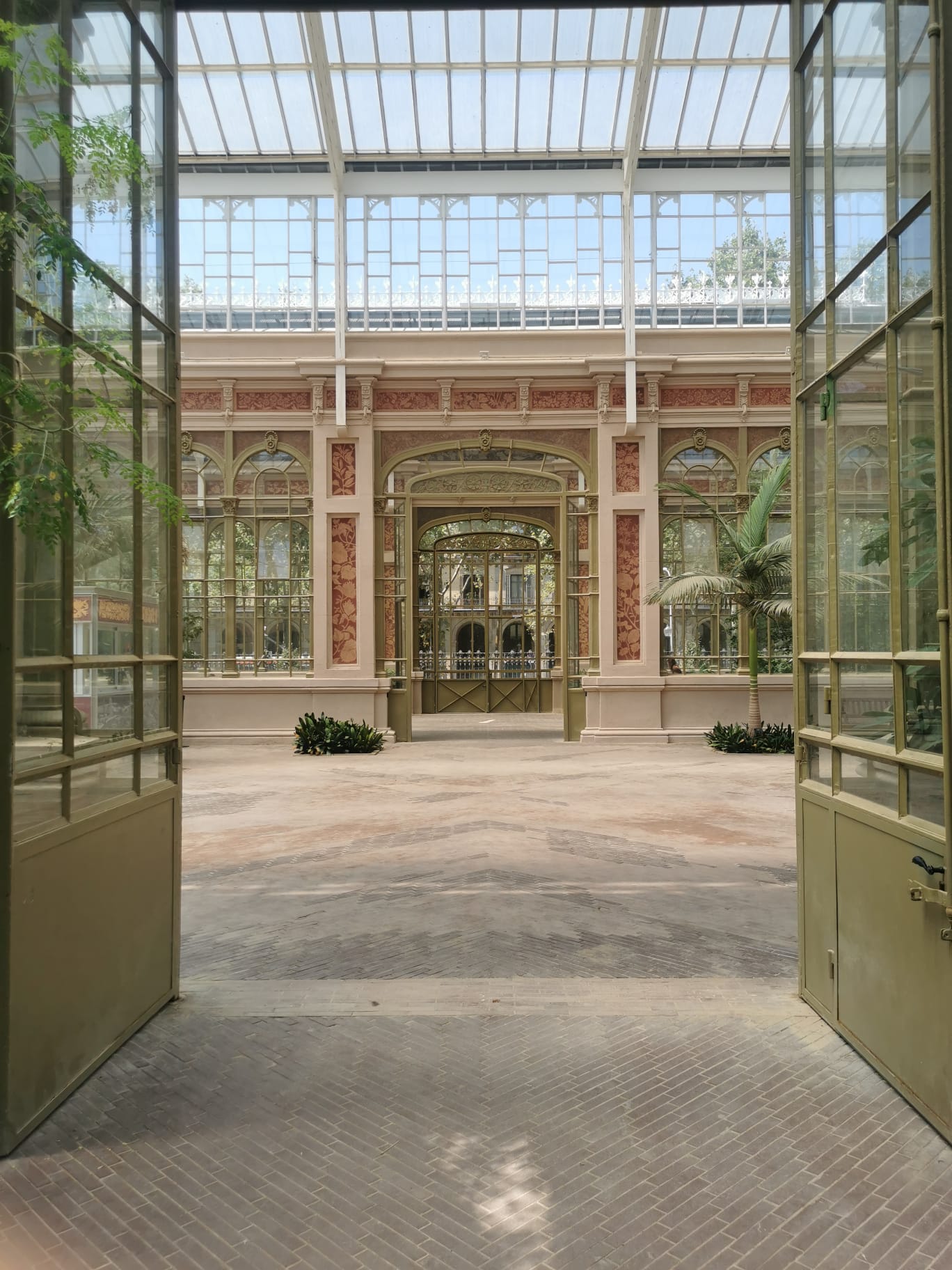
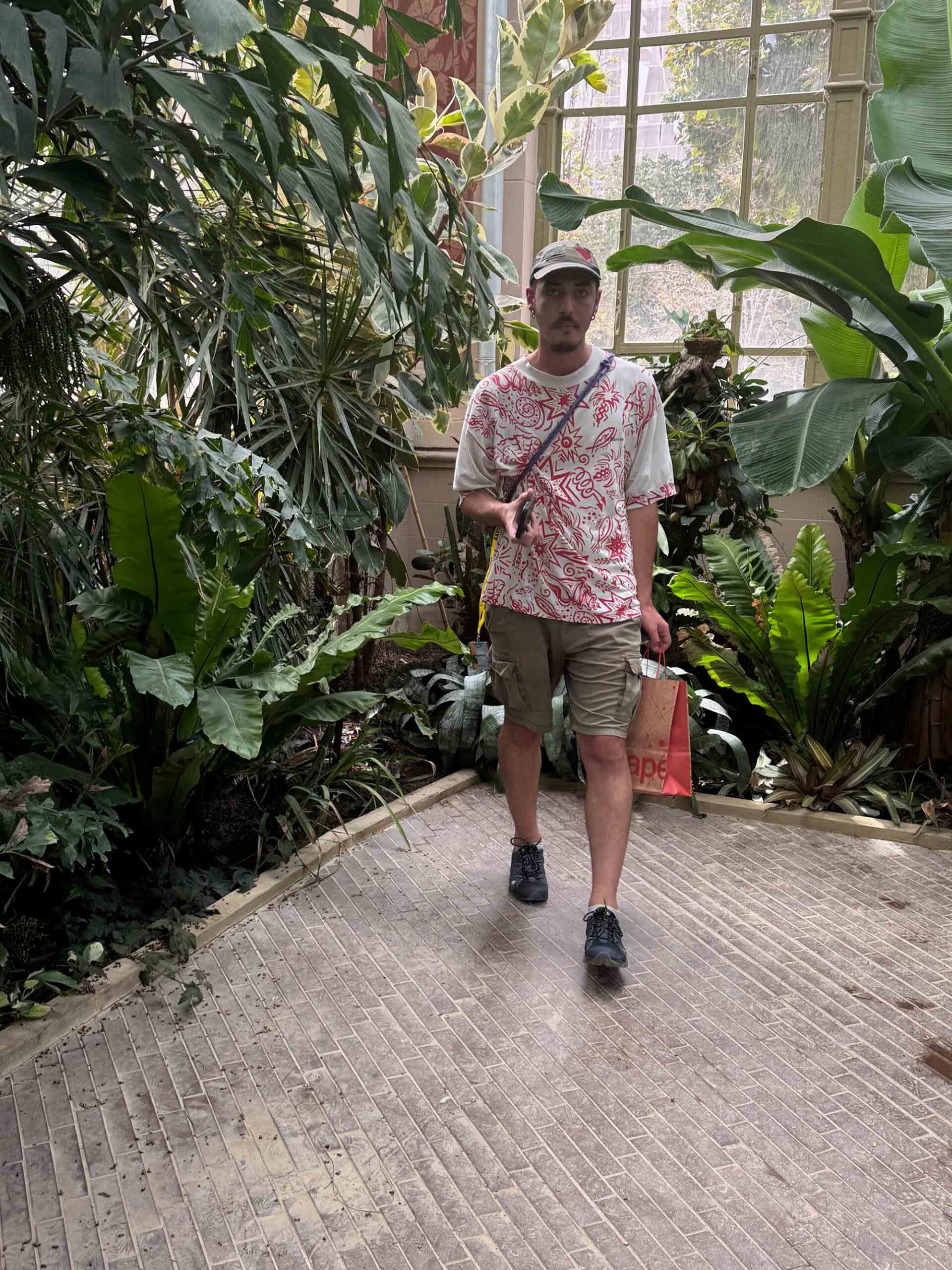
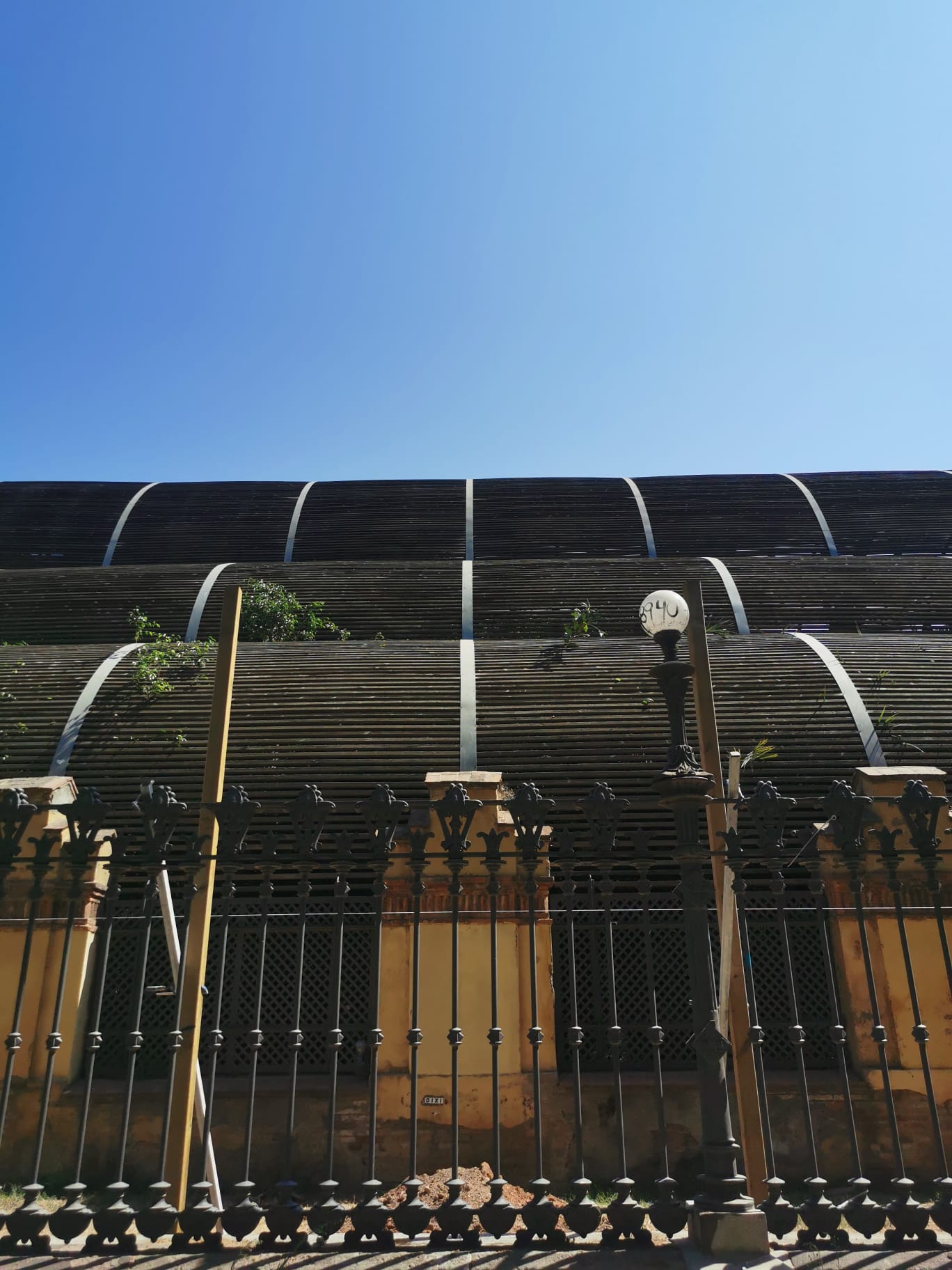
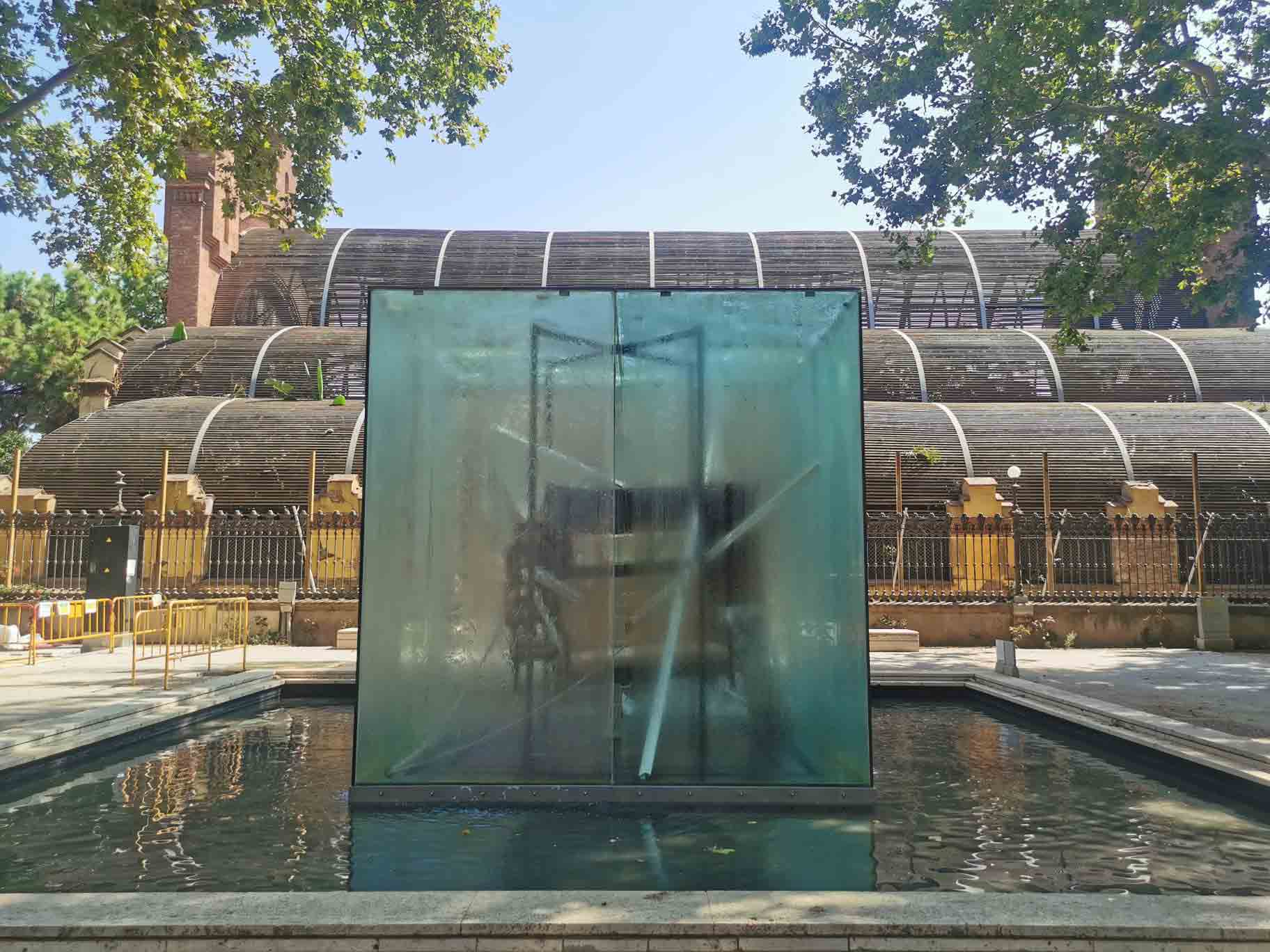
Fieldwork centred on the Hivernacle and the Umbracle, two structures built for the 1888 Barcelona Universal Exposition, where architecture, vegetation and photography intersect within a landscape shaped by successive histories of industrial modernity.
Designed to cultivate and display botanical collections, both buildings embody nineteenth-century ideas of science, public space and technological progress. Today they occupy different temporal conditions: one has recently been restored, while the other remains closed, awaiting refurbishment. Together they reveal that urban landscapes are never fixed; they are continuously maintained, repaired, abandoned and reimagined.
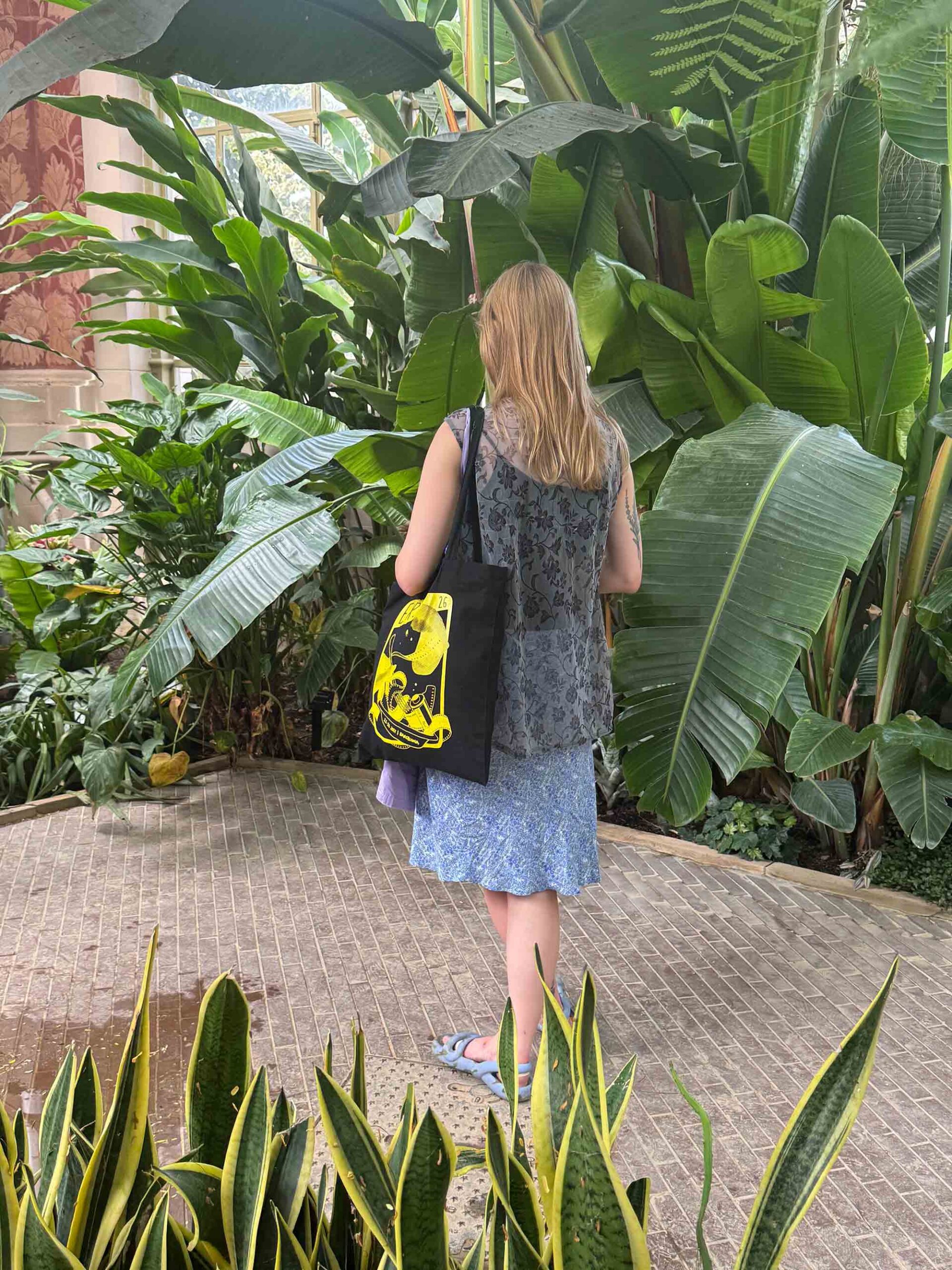
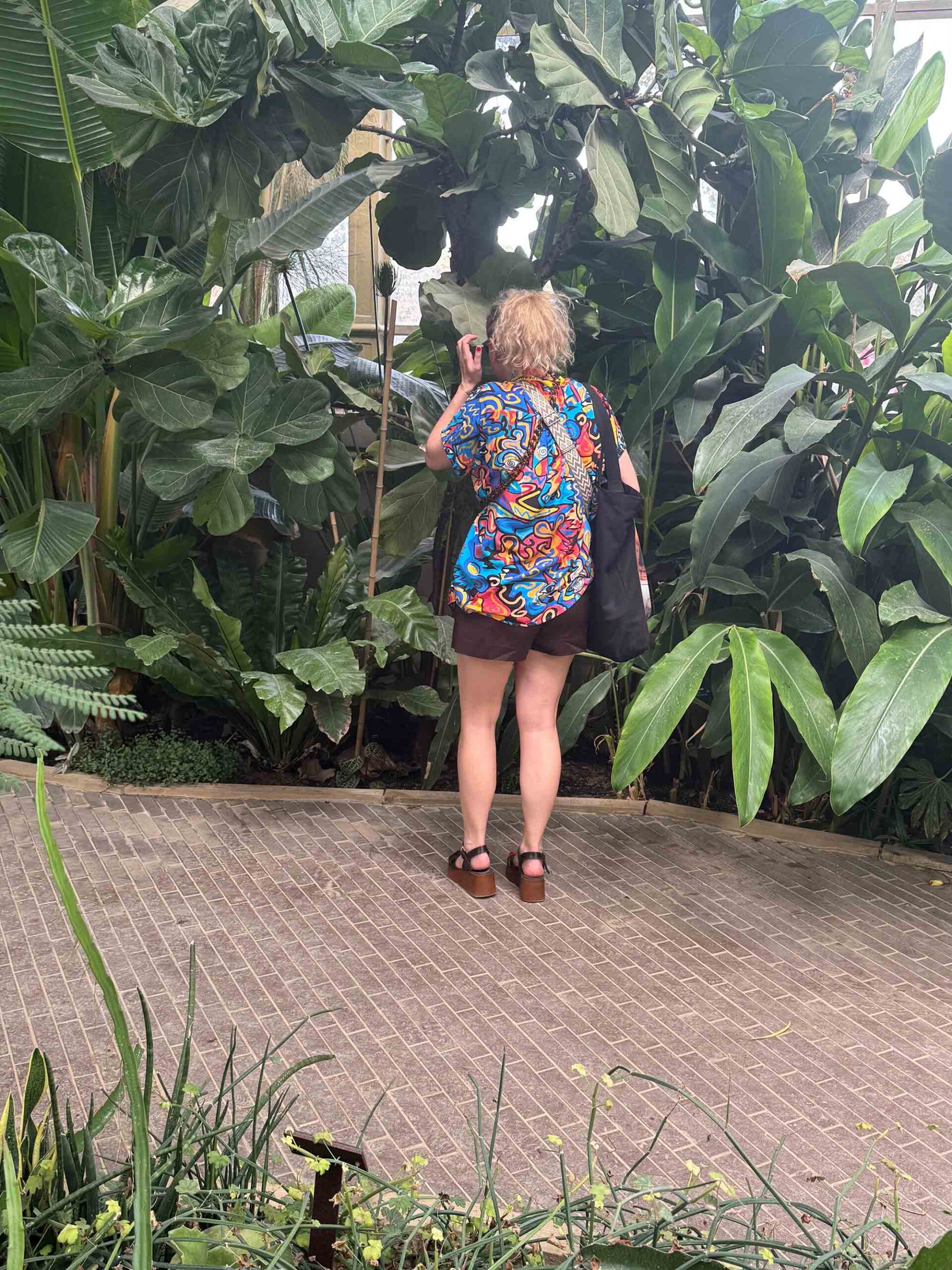
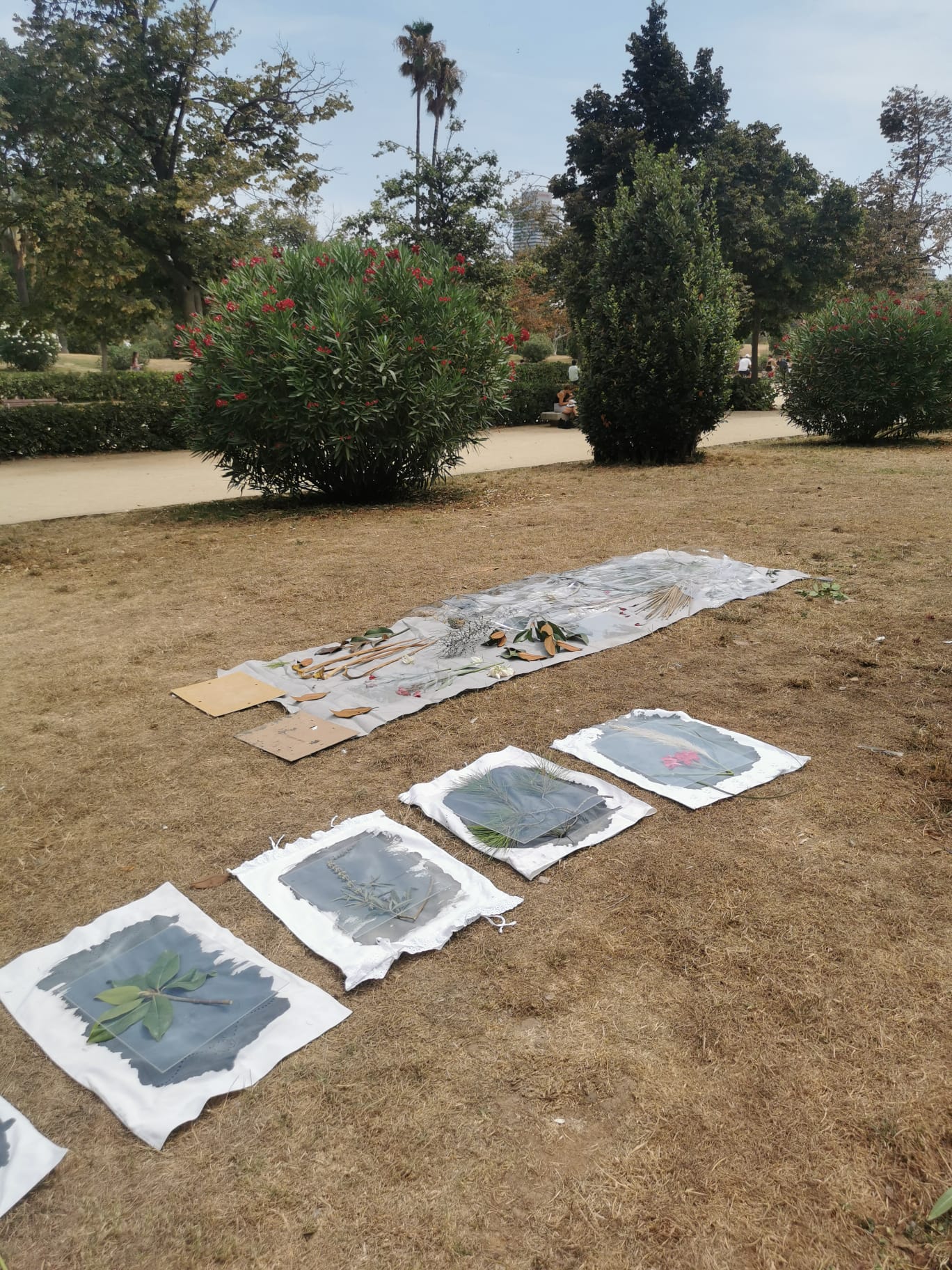
These overlapping temporalities provided the context for collective walking, solar photography, botanical observation and editorial experimentation.
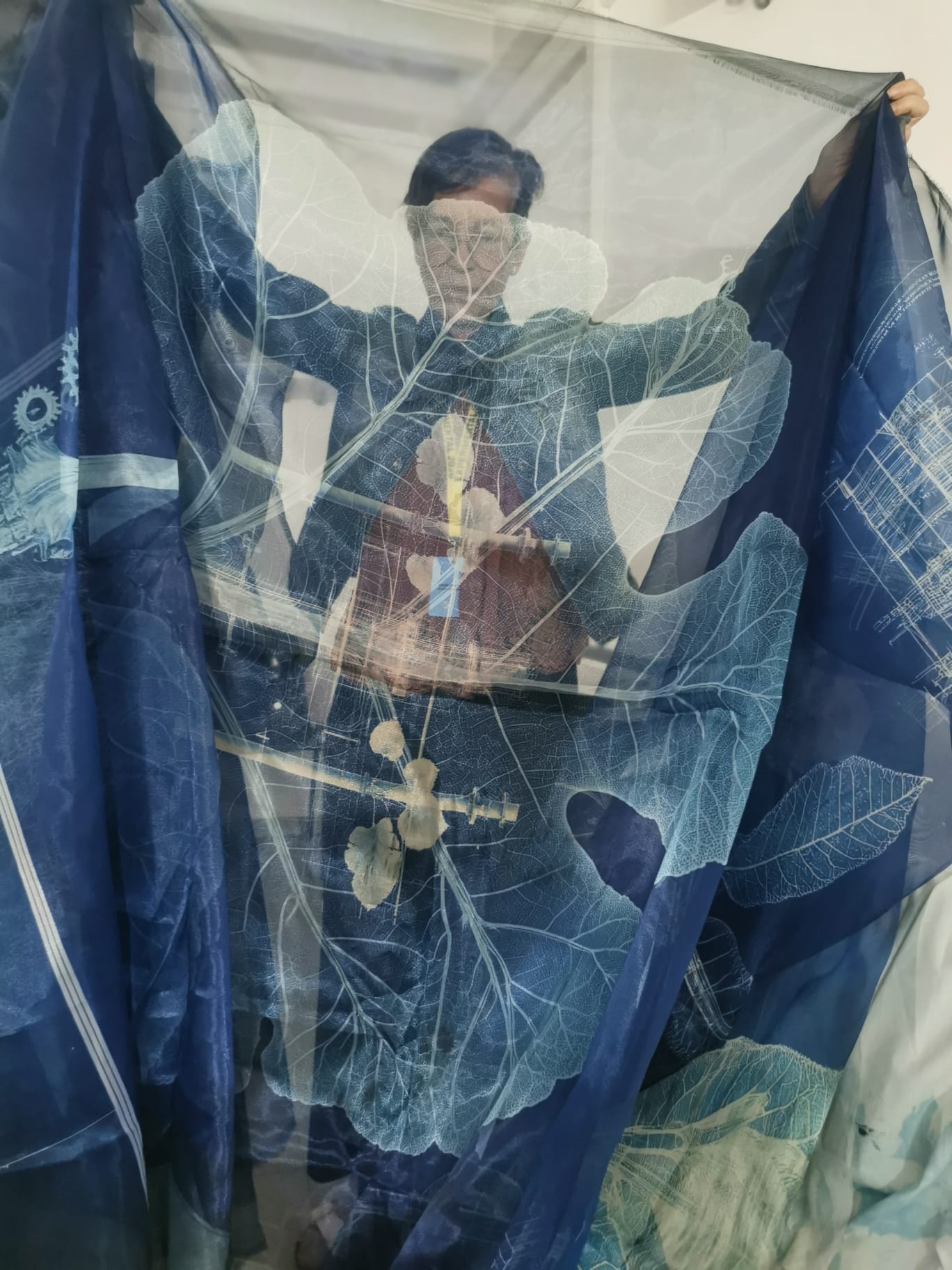
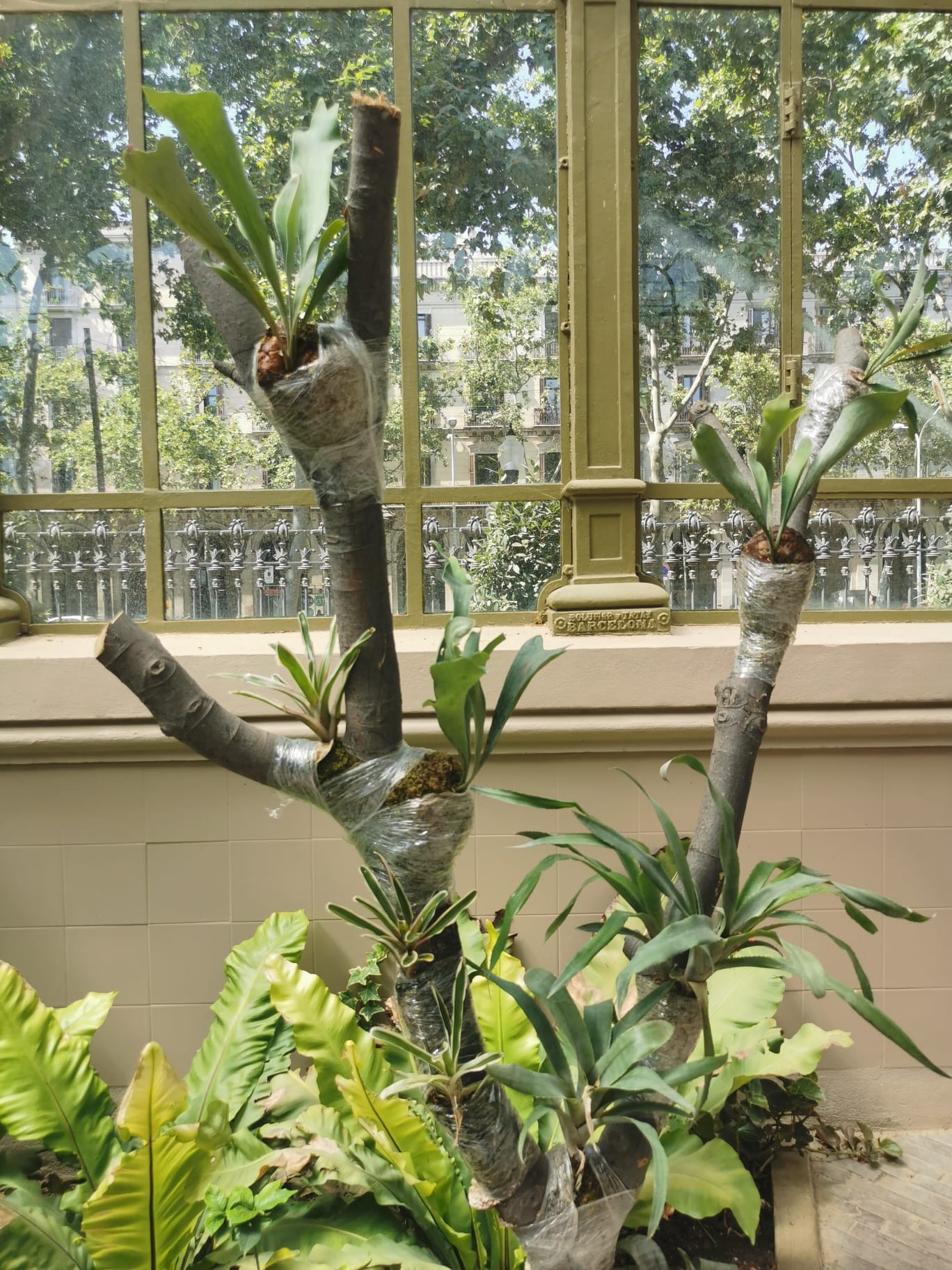
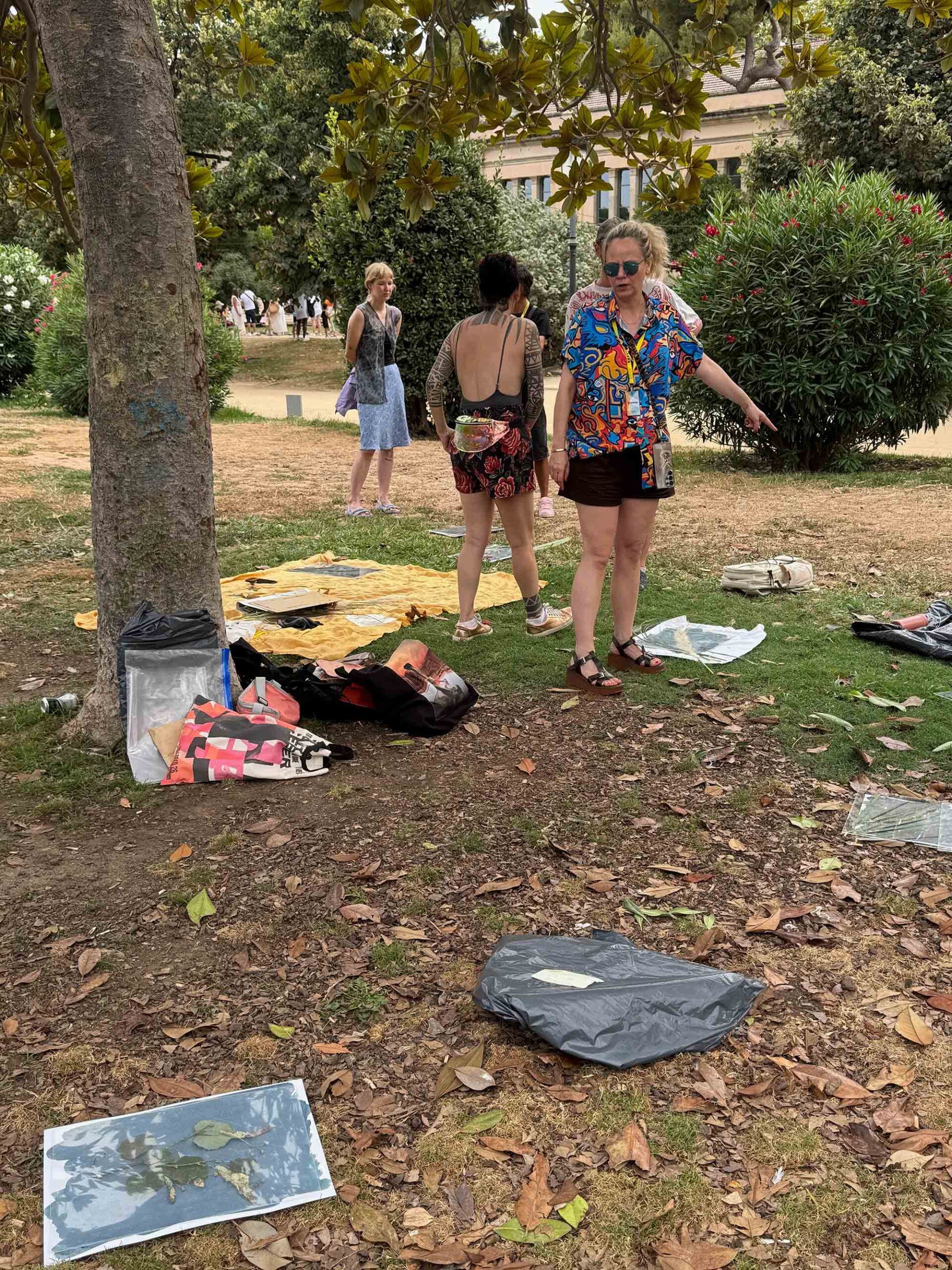
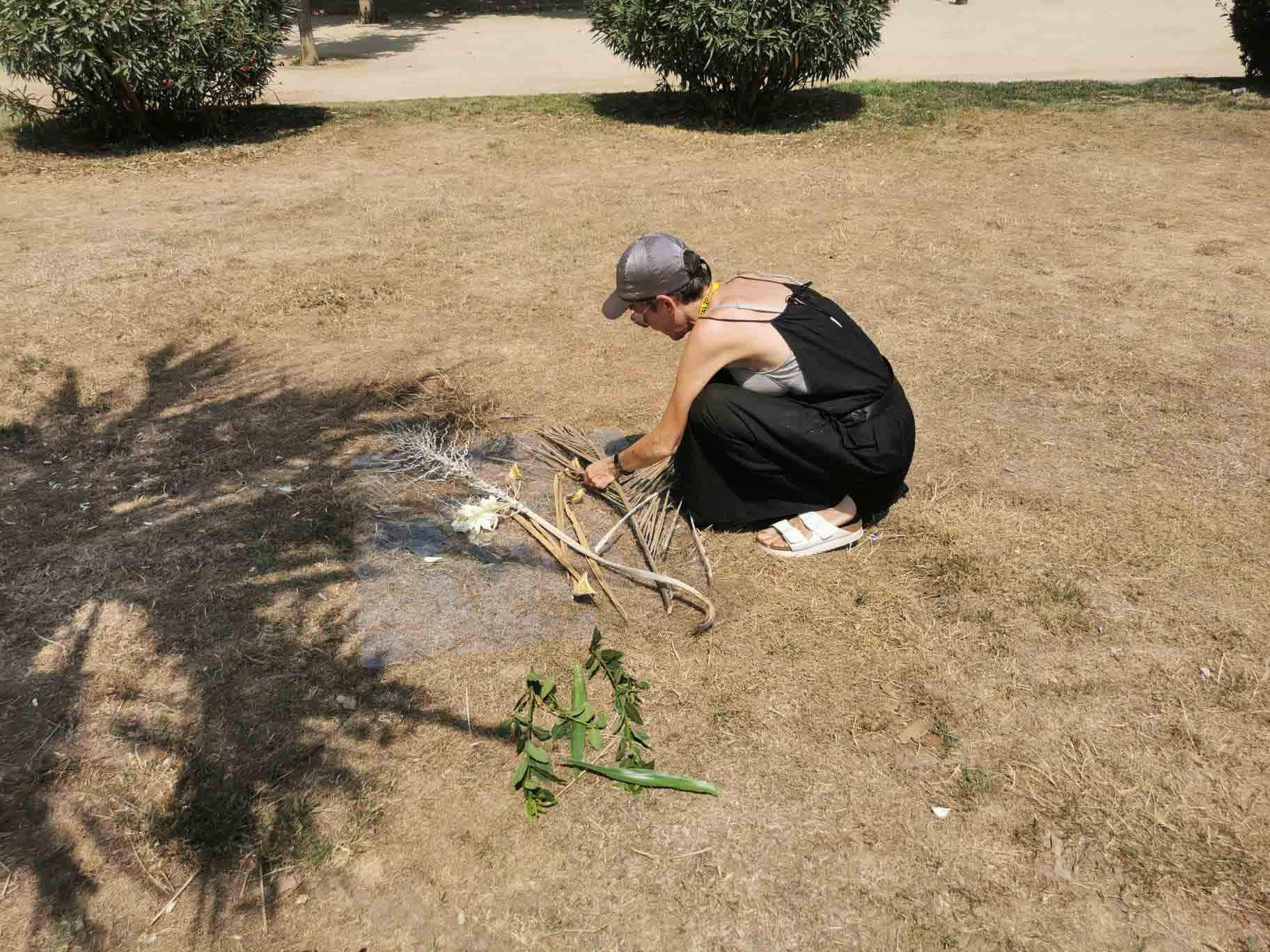
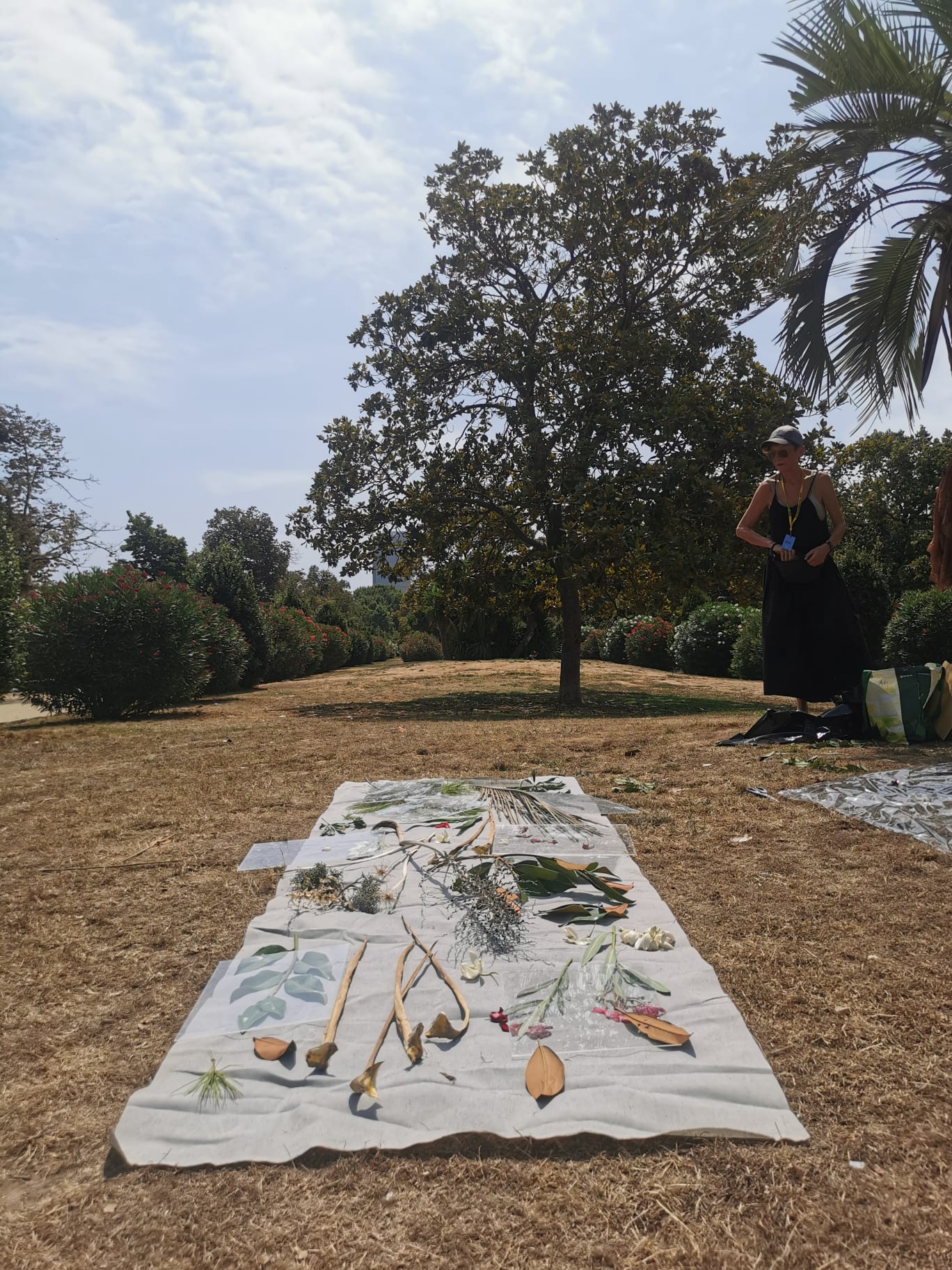
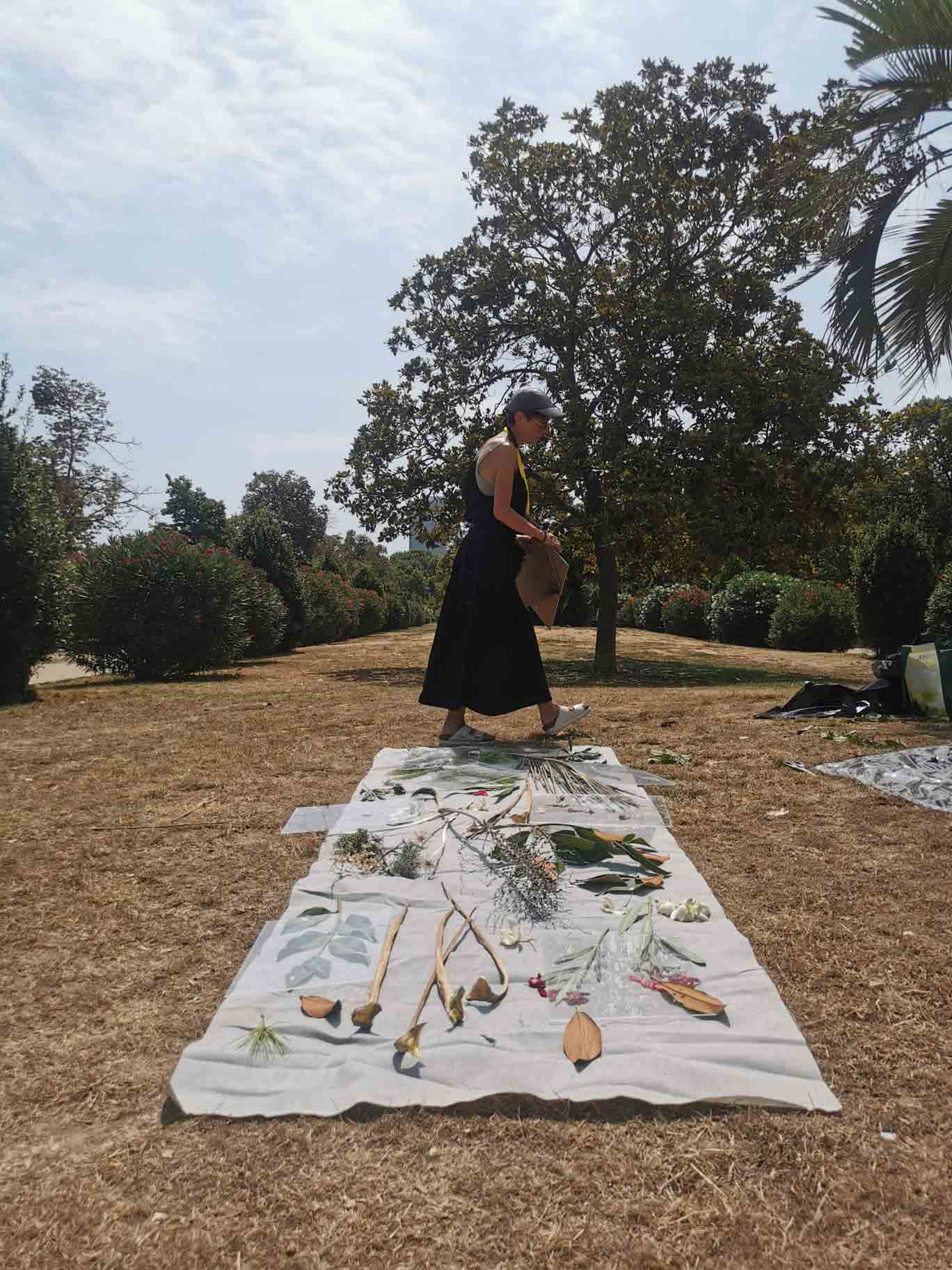
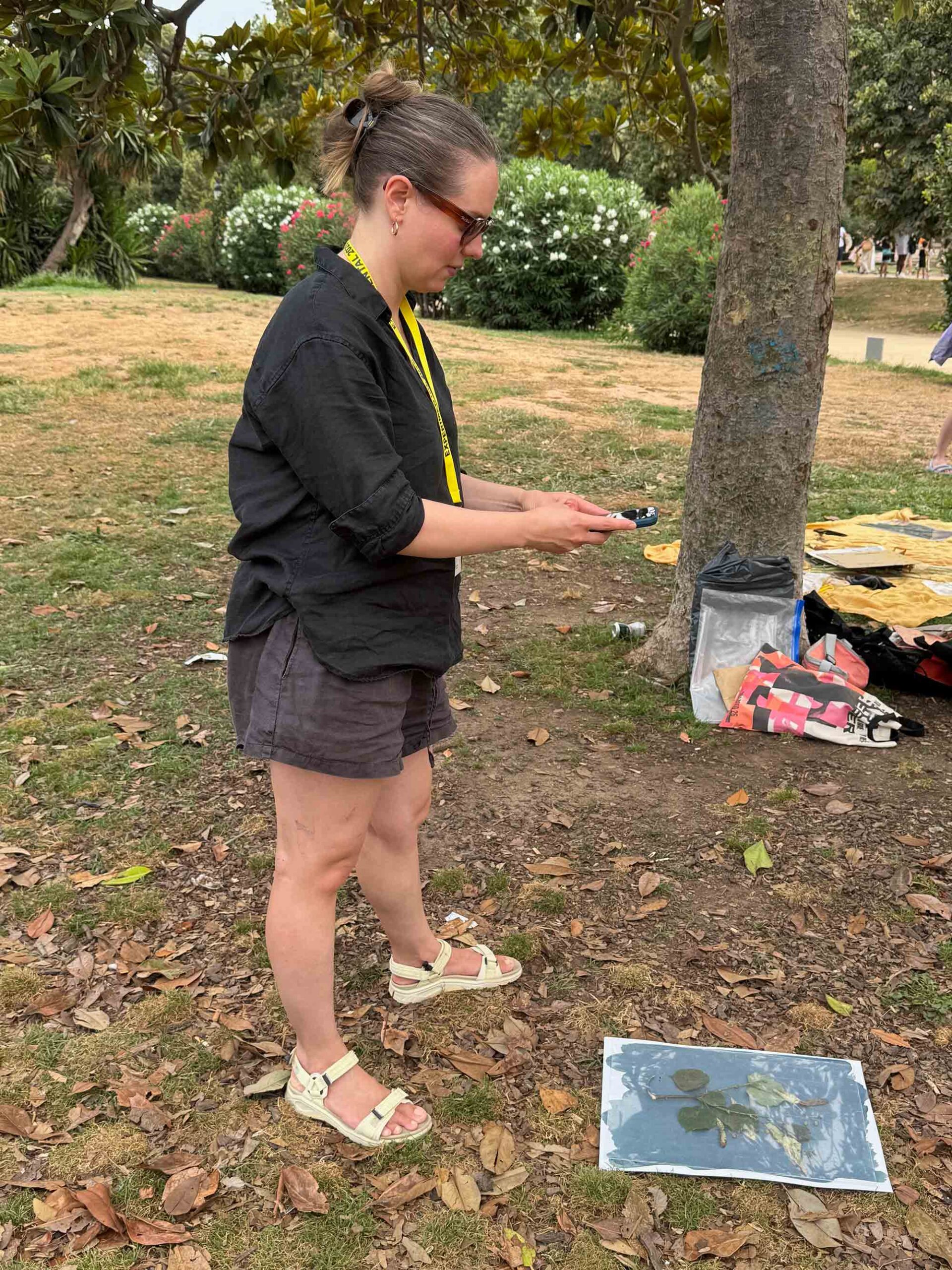
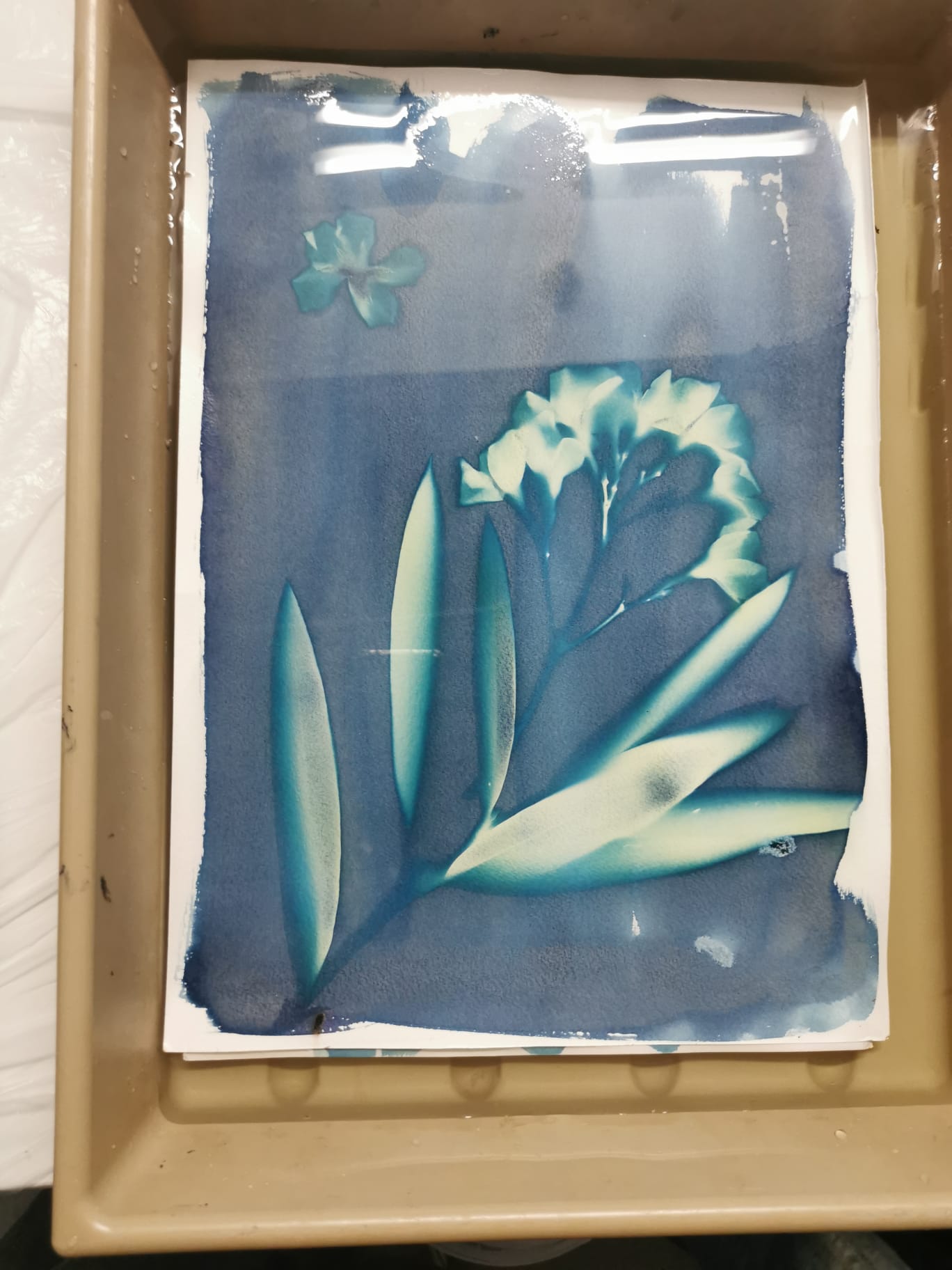
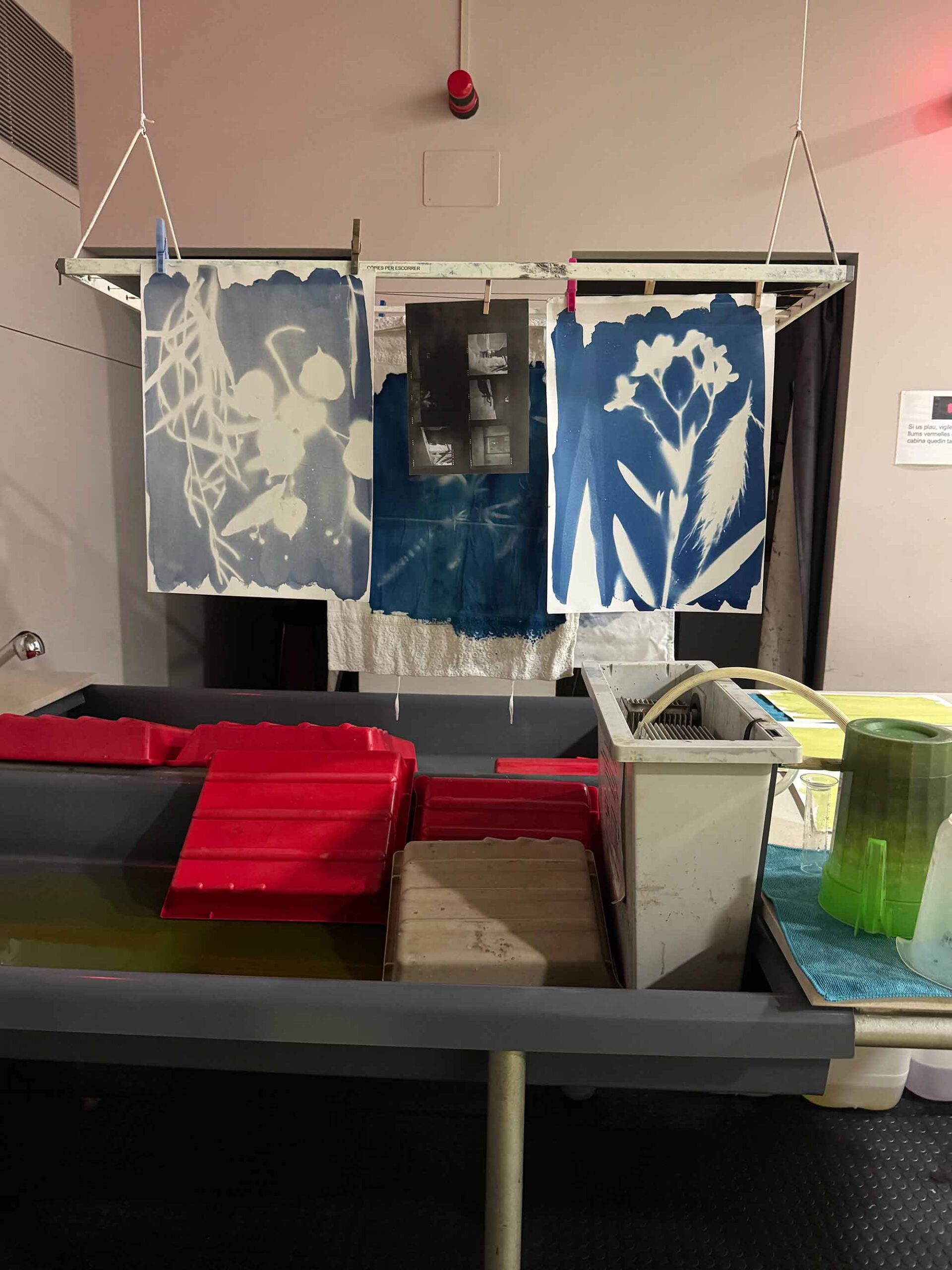
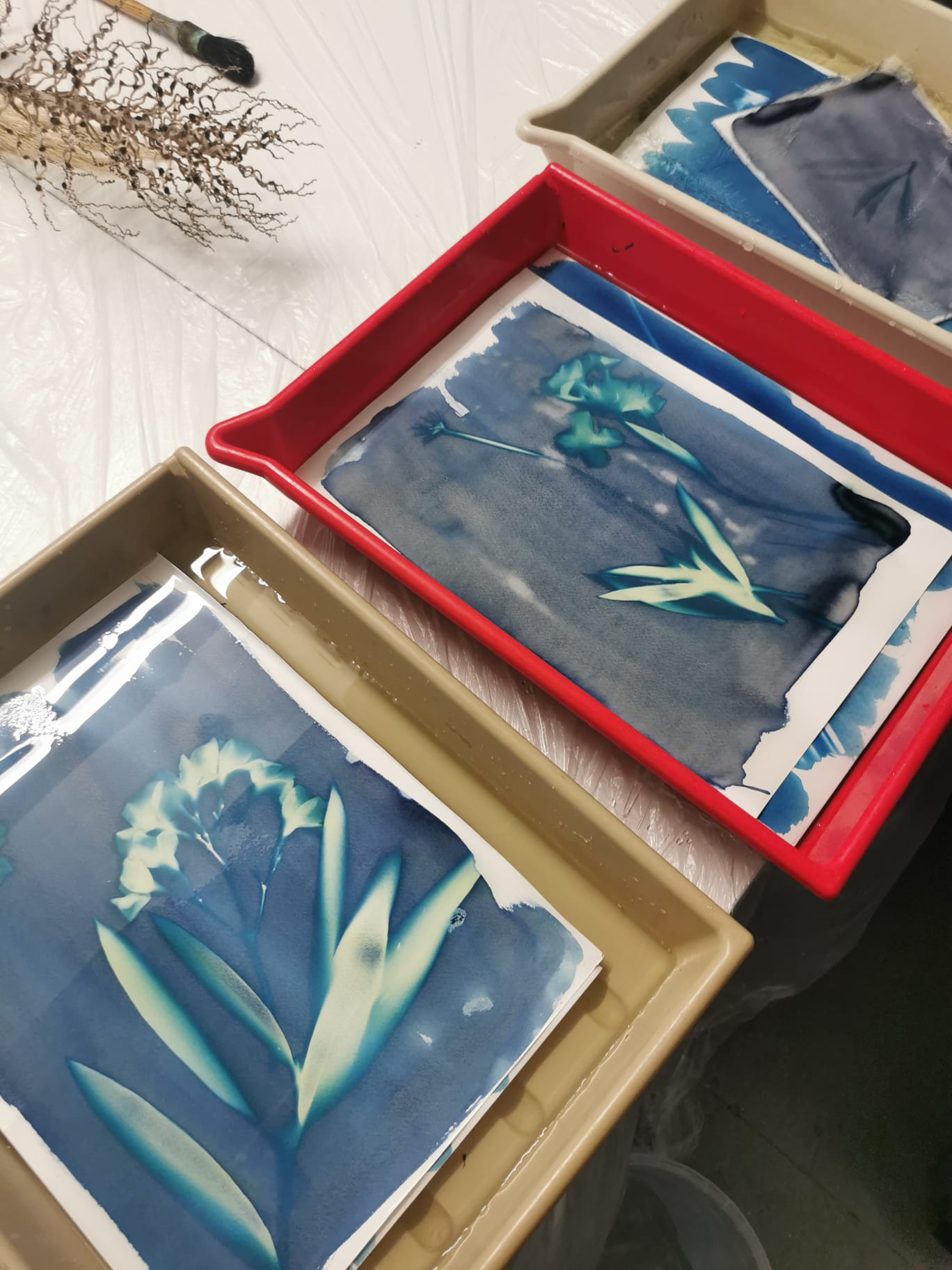
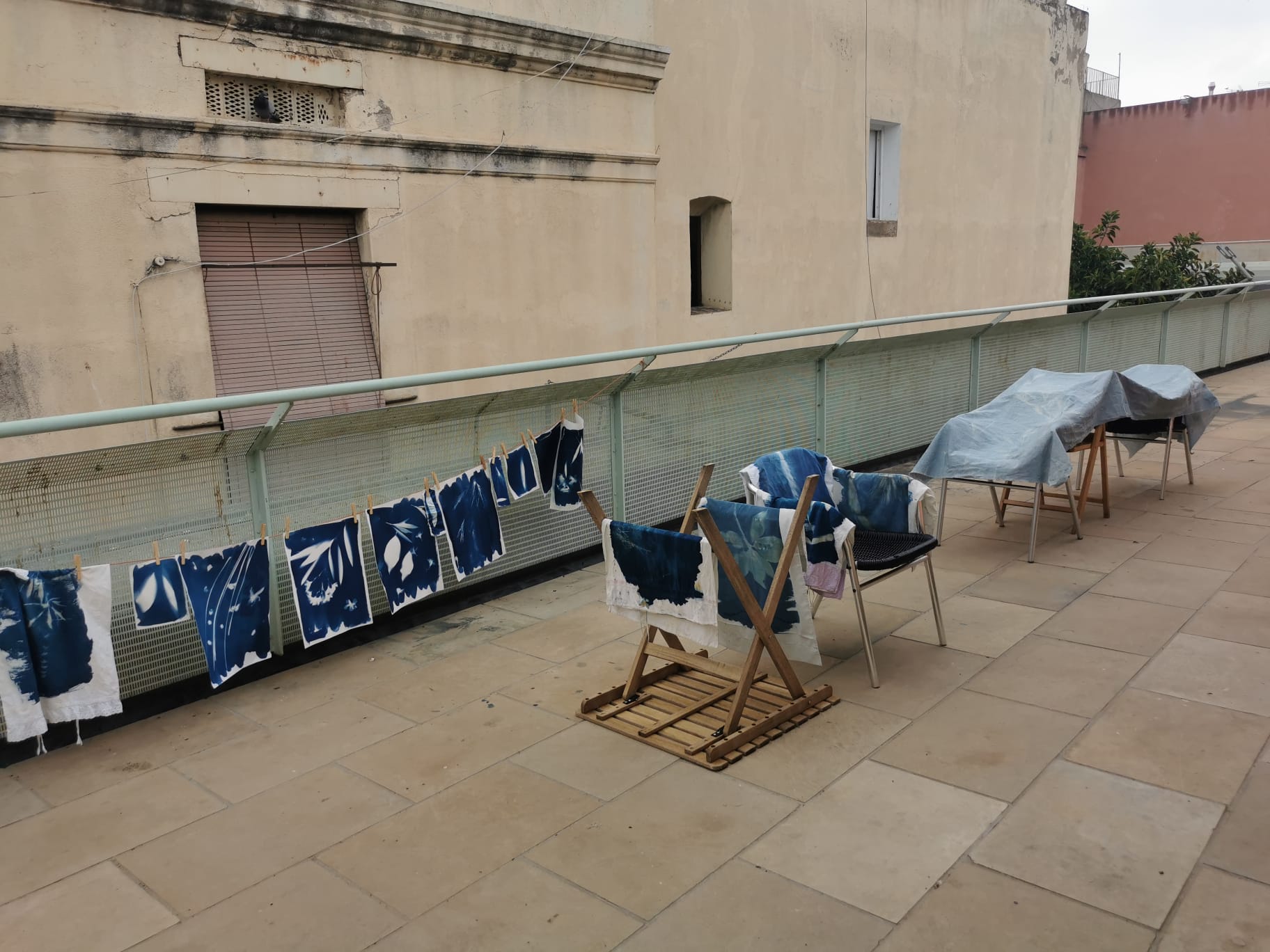
Walking became a shared practice of attention through which architecture, vegetation, historical memory and contemporary urban ecologies could be observed as interconnected processes. Field notes, architectural drawings, plant specimens, solar photographs and computational practices gradually formed an expanding editorial ecology of the site.
How can vacancy be recognised within landscapes that appear complete?
How do intervals emerge between preservation, maintenance, ecological succession and future redevelopment?
Computational Practices
The photographs, solar photographs, botanical specimens and field notes assembled during the workshops became the basis for a second stage of the investigation.
Working with computational image models, the project explores how visual relationships emerge across photography, plant morphology, architecture and editorial material.
Artificial intelligence is approached not as an image generator, but as another observational method—one capable of identifying affinities, repetitions and unexpected correspondences within the fieldwork itself.
The resulting visual cartographies do not replace situated observation.
They extend it.
An editorial research project by
paula roush / msdm
_____________________________
in collaboration with
Carla Steuerwald
Fabiana Nunes
Joanna Szwemberg
Katja Motylewska-Babińska
Tarek El Daccache
Gustė Giedvainytė
Amelia Łutkowska
Wiktoria Dindedla
_____________________________
commissioned by:
Experimental Photo Festival Barcelona
_____________________________
Research Structure
01 Reading
The first outcome of this investigation is an editorial cartography derived from Solà-Morales' essay.
This conceptual cartography translates the essay into a computational field of relationships.
↓
Open publication
02 Fieldwork
Collective walks
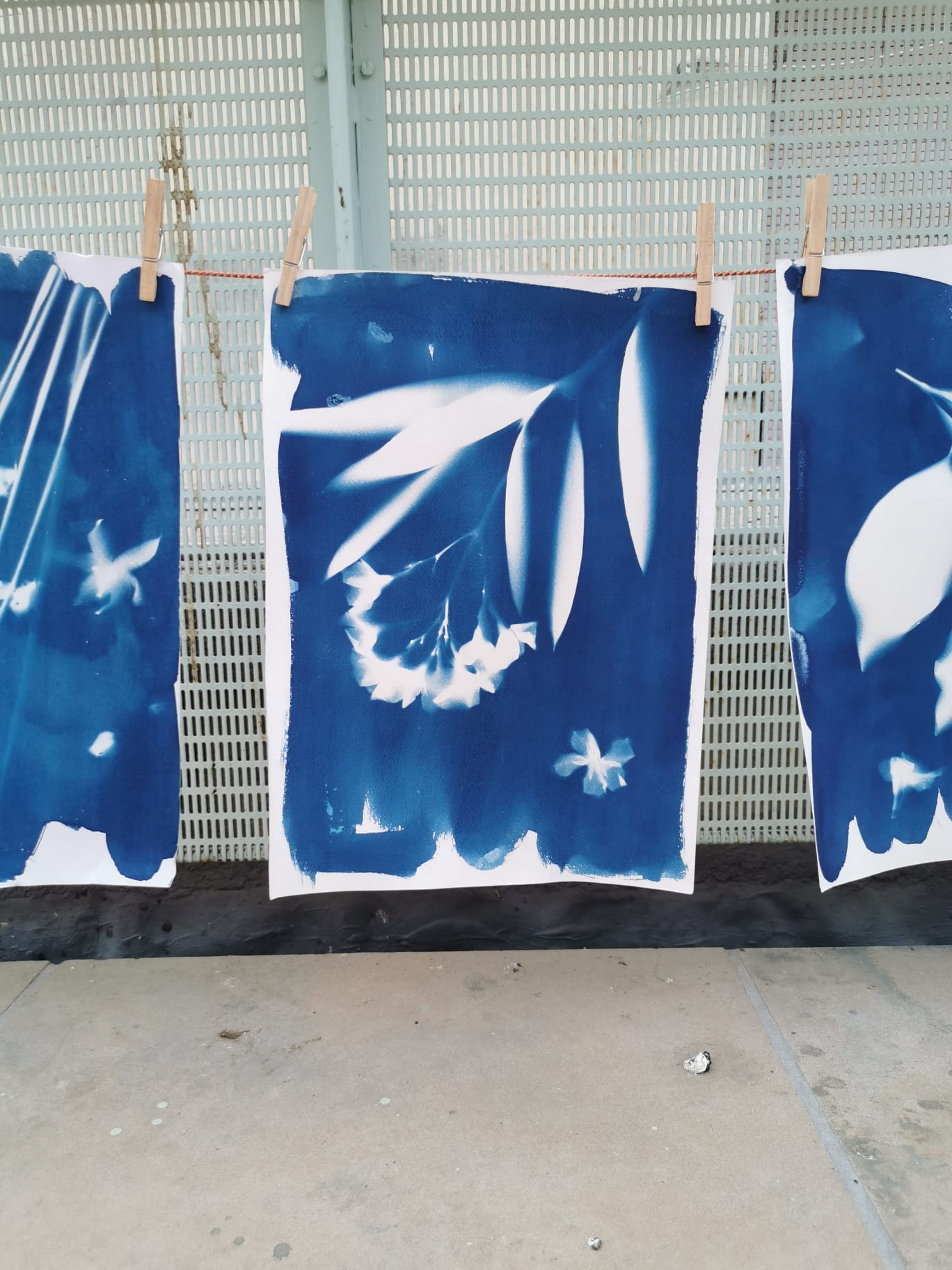
Solar photography
Botanical observations
Parc de la Ciutadella
Hivernacle
Umbracle
03 Computational Practices
Hybrid herbariums.
Computational cartographies.
Visual embeddings.
Machine perception.
Editorial publishing.