Al-Yom (Today)
torn curled folded
al-yom photobook
arab image foundation
beirut photography archive
damaged archive photography
paula roush photobook
photo-textual research book
lebanese civil war photographic archive
experimental photobook archive research
editorial practice photography book
archive and memory art book
photo text book beirut
artist book arab image foundation
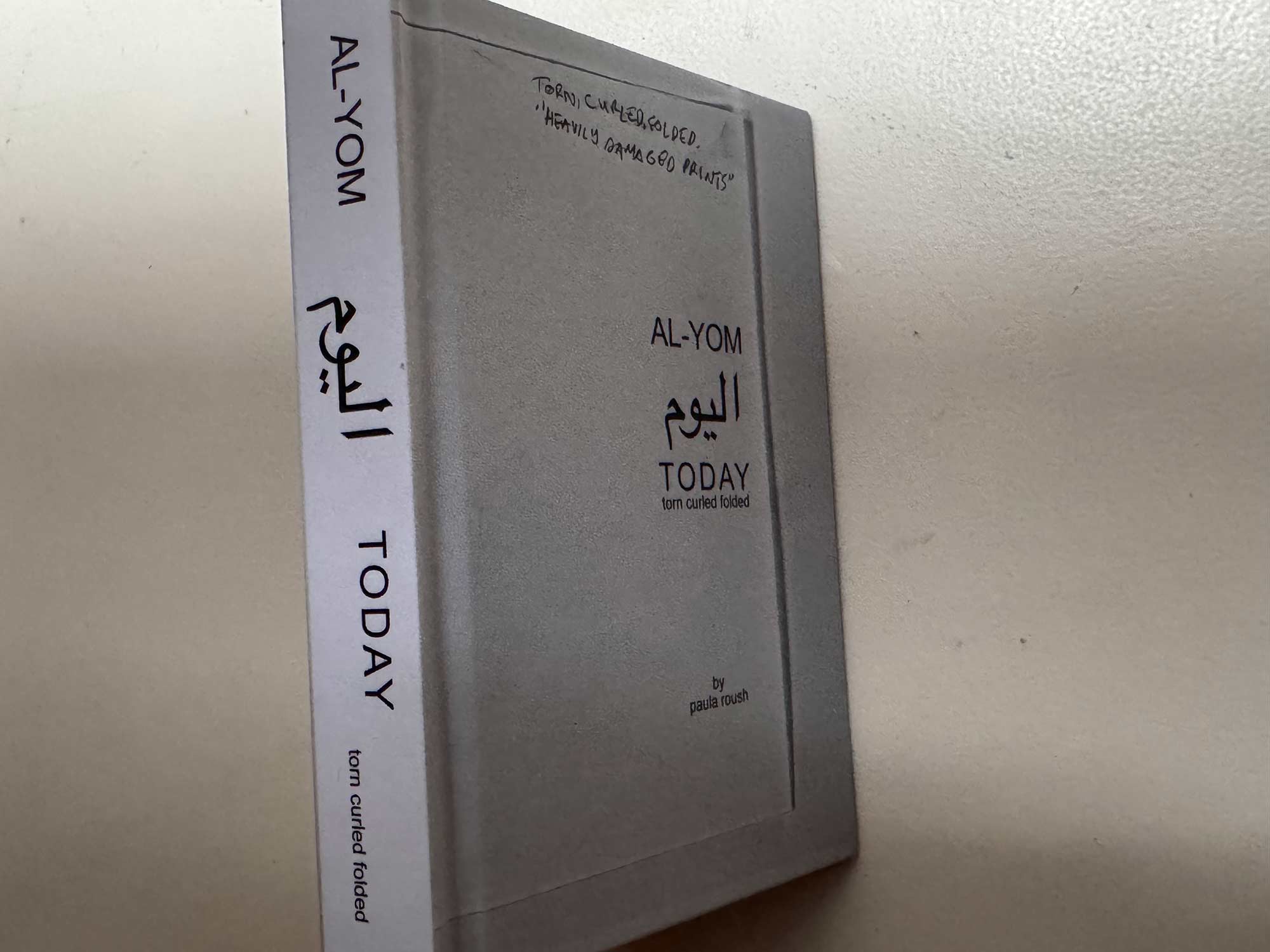
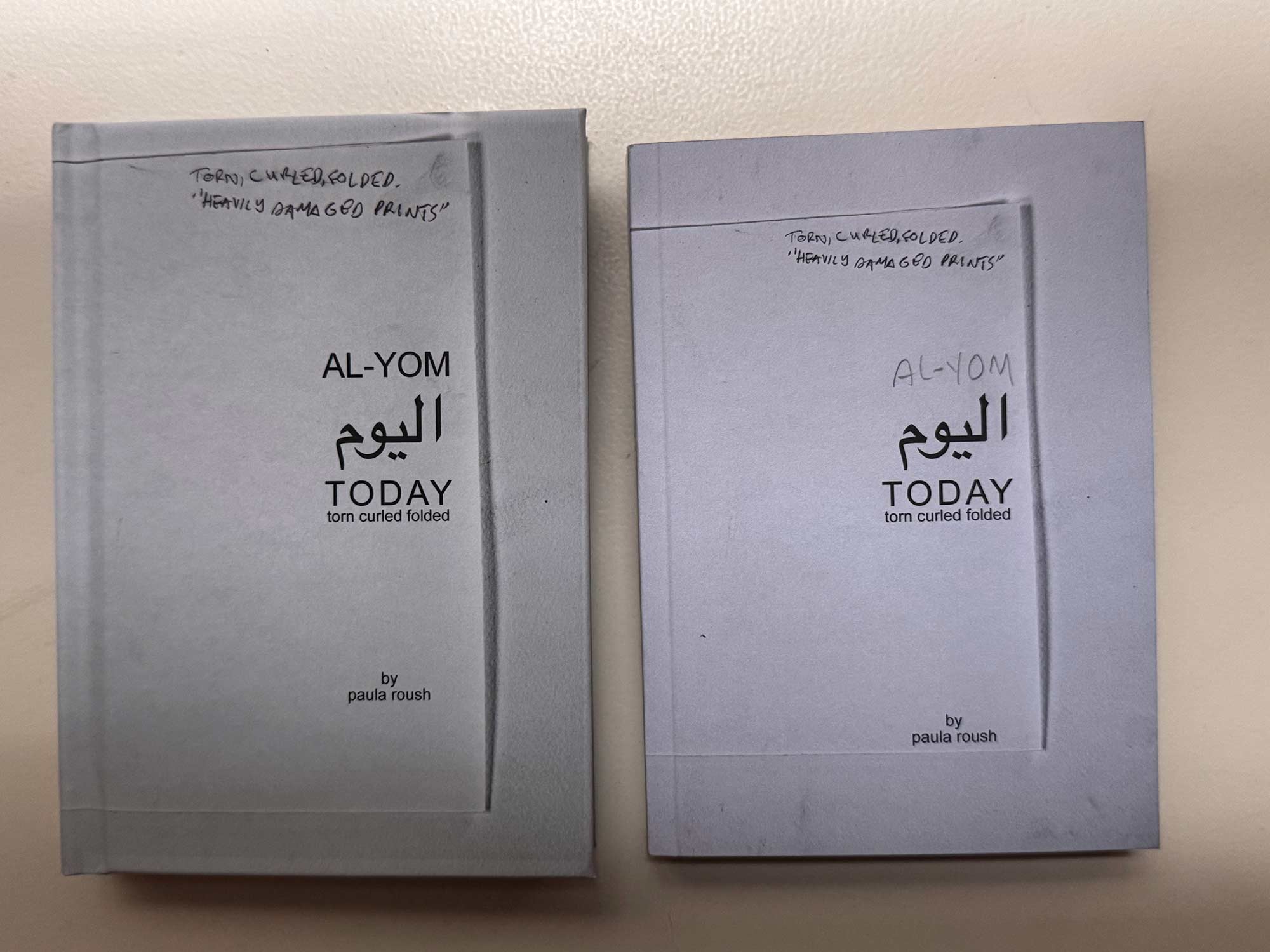
Al-Yom (Today) torn curled folded is a photo-textual artist book by paula roush, based on a damaged archive from the Arab Image Foundation in Beirut. Through photographs, literary fragments, and email correspondence, the publication unfolds as an editorial investigation into memory, loss, and the instability of historical narratives.
Al-Yom (Today) torn curled folded is a photo-textual research publication emerging from a prolonged engagement with a damaged photographic archive linked to the Lebanese daily newspaper Al-Yom, active until its violent interruption at the outbreak of the civil war in 1975.
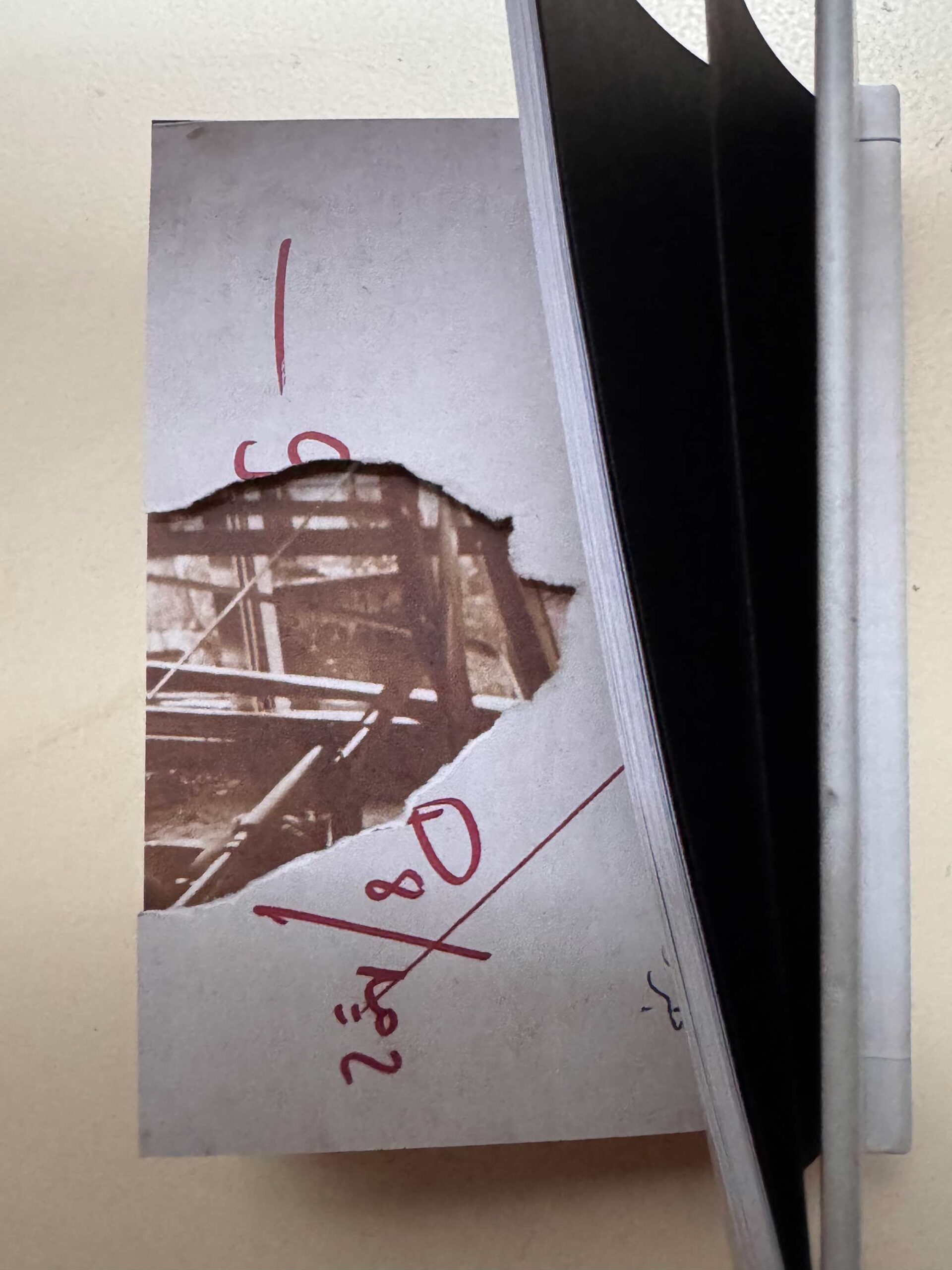
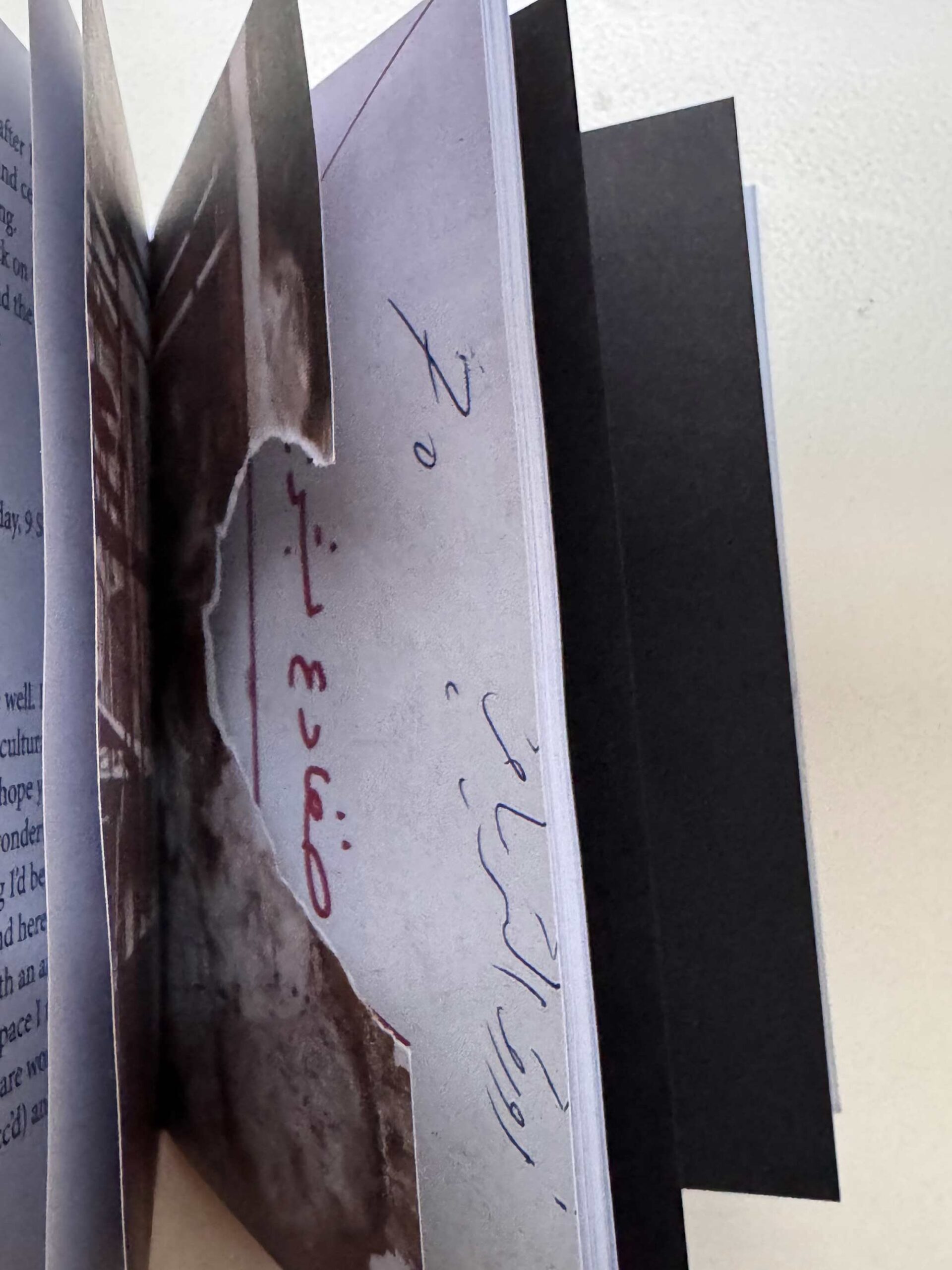
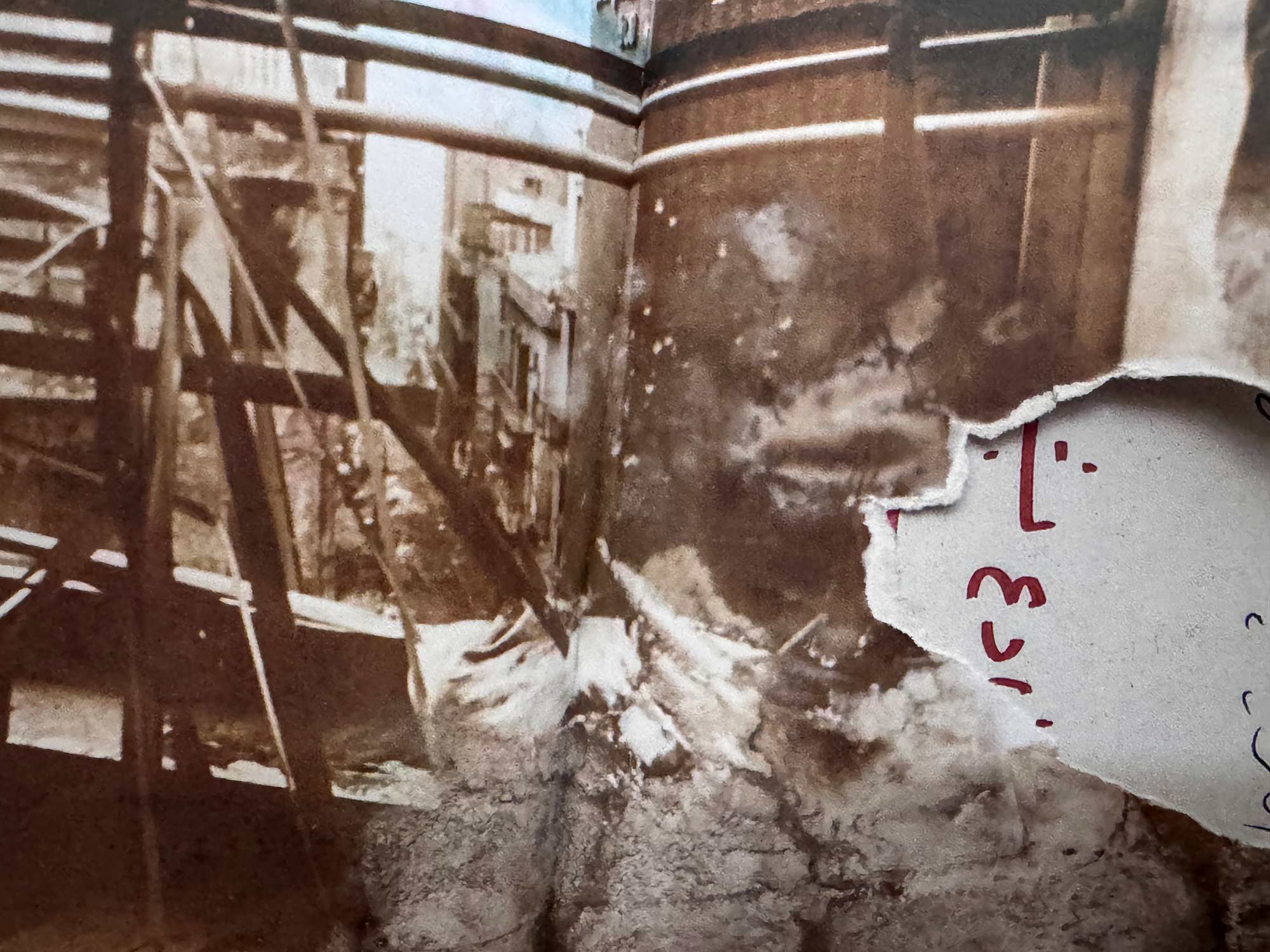
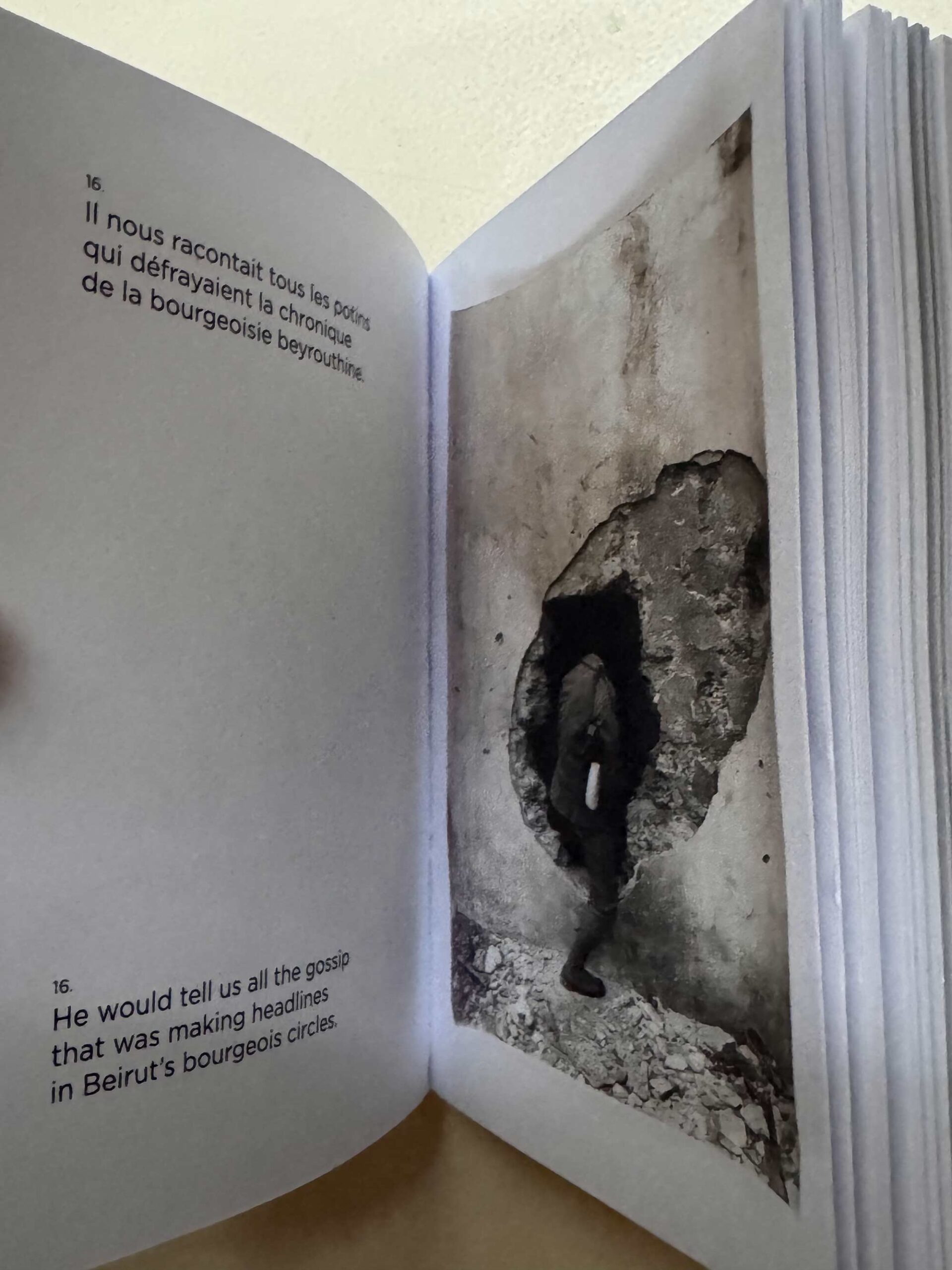
Rather than restoring the archive to narrative coherence, the project approaches material instability as method. Torn, curled, and folded photographs — a working classification at the Arab Image Foundation for images whose damage exceeds standard archival thresholds — become the basis for an editorial investigation into destruction, survival, and the circulation of images.
The publication brings into relation two incomplete bodies: a photographic archive marked by degradation, and excerpts from L’Ombre d’une ville (1994) by Beirut-based writer and architect Elie-Pierre Sabbag. Sentences containing “Beirut” (or “Beyrouth”) are extracted and reconfigured alongside the images. French and English versions appear side by side, not as equivalents, but as parallel presences shaped by delay and displacement.
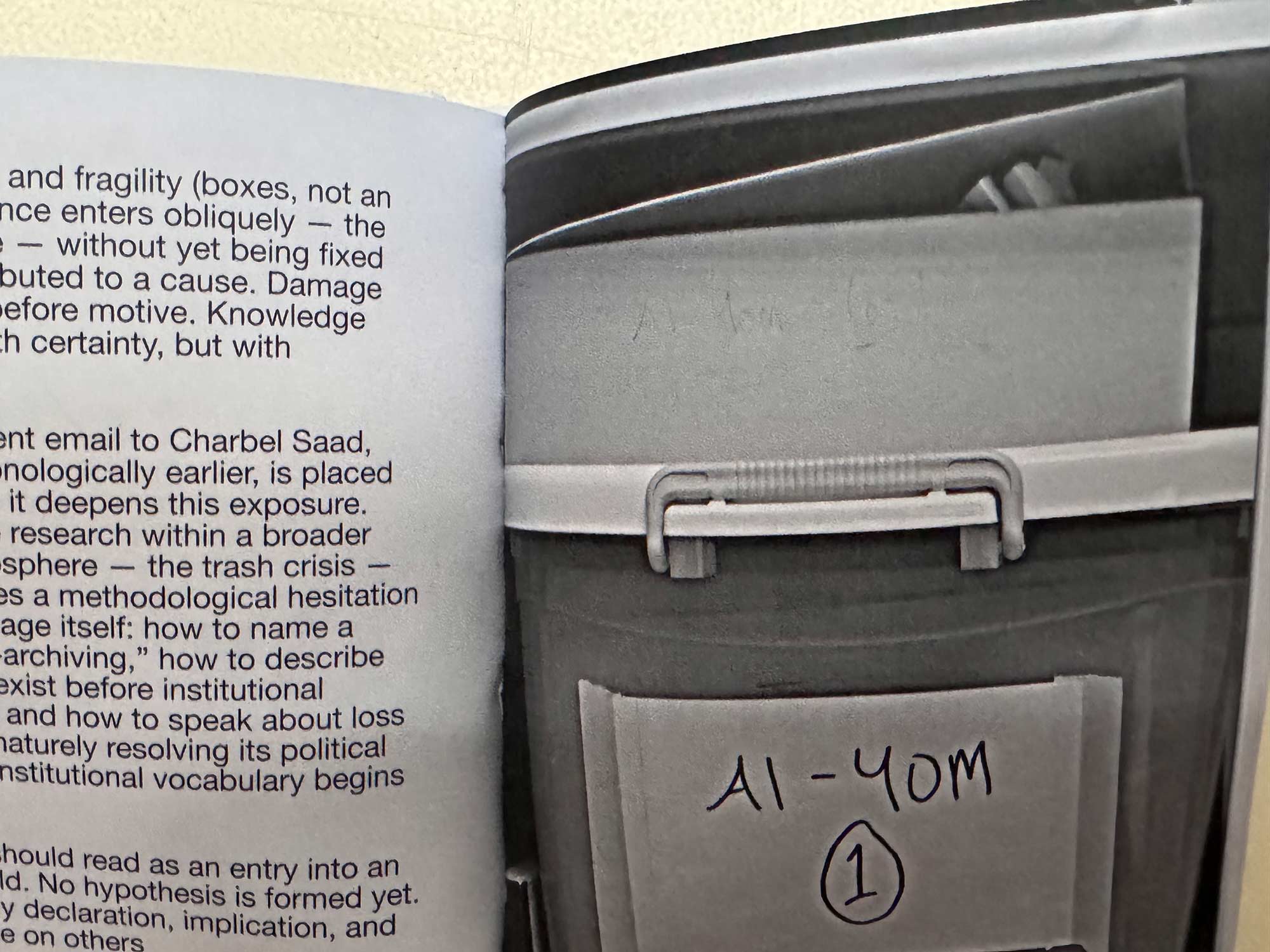
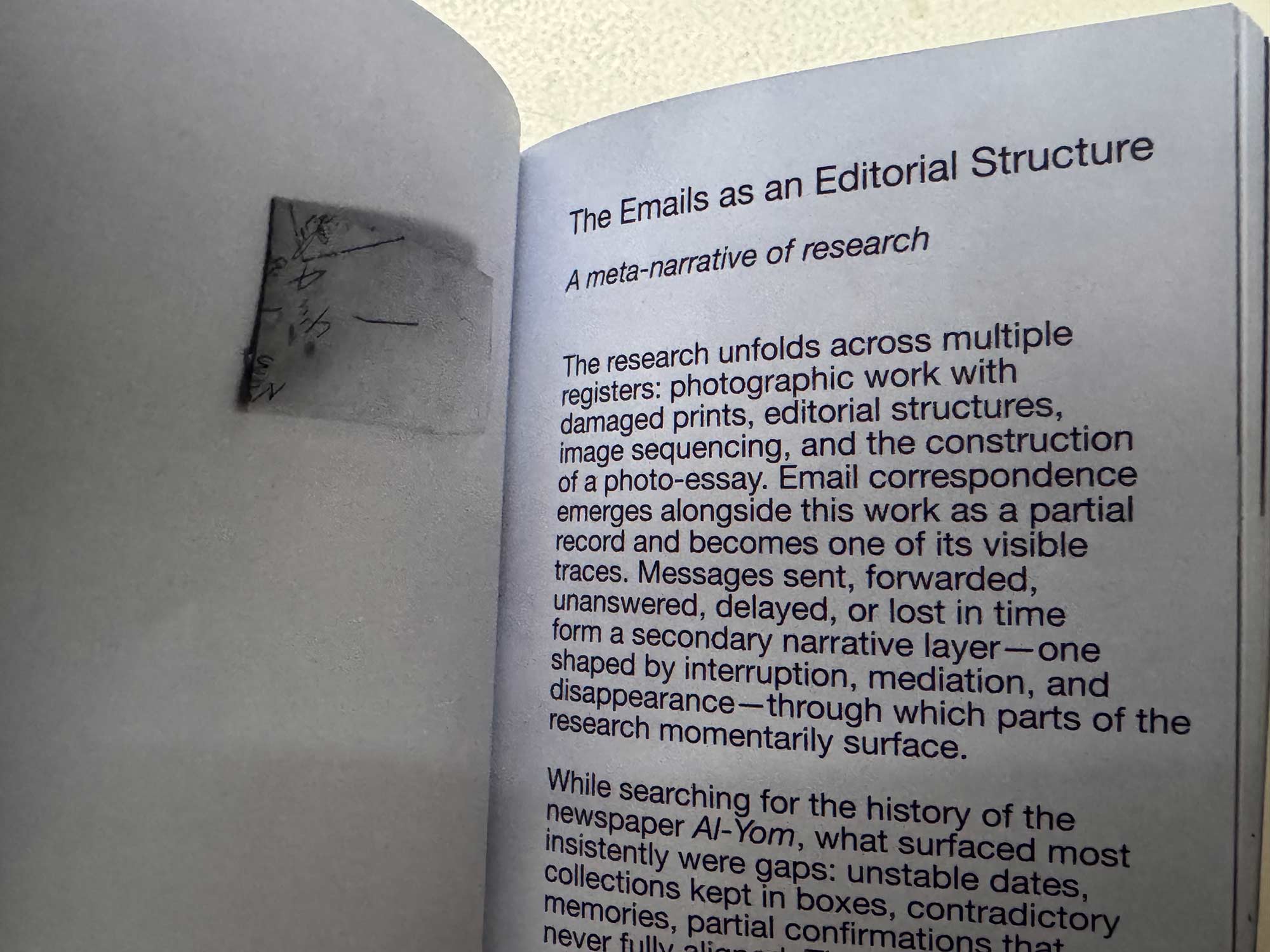
A second strand unfolds through email correspondence conducted in Beirut in 2015. These messages — sent, forwarded, unanswered, or lost — function as editorial structure rather than supplementary material. They trace how historical knowledge is produced under conditions shaped by war, institutional latency, and fragmented genealogies.
Originally produced as a loose-leaf boxed edition in Beirut (2015), and later expanded in London (2020), this third edition reassembles the photo-essay and email-based research into a single bound volume. The instability of the archive remains; only its architecture shifts.
Published by msdm publications, Al-Yom (Today) torn curled folded operates simultaneously as archive, artist book, and editorial device — where editing becomes a form of care directed toward what cannot be made whole.