
house–studio–gallery
An embodied model of living, making, publishing, and mediation
(2015–2025)
londres, uk → lisboa, pt
Adaptive reuse · House–Studio–Gallery · Publishing as Method · Vacancy · Situated Practice · Living as Infrastructure
A house as method
The msdm house–studio–gallery was not conceived as an institution, but as a necessity. Between 2015 and 2025, it functioned as a mobile, embodied model of living, making, publishing, and mediating — emerging from the lack of affordable studio space and from the desire to think, work, and publish from within everyday life.
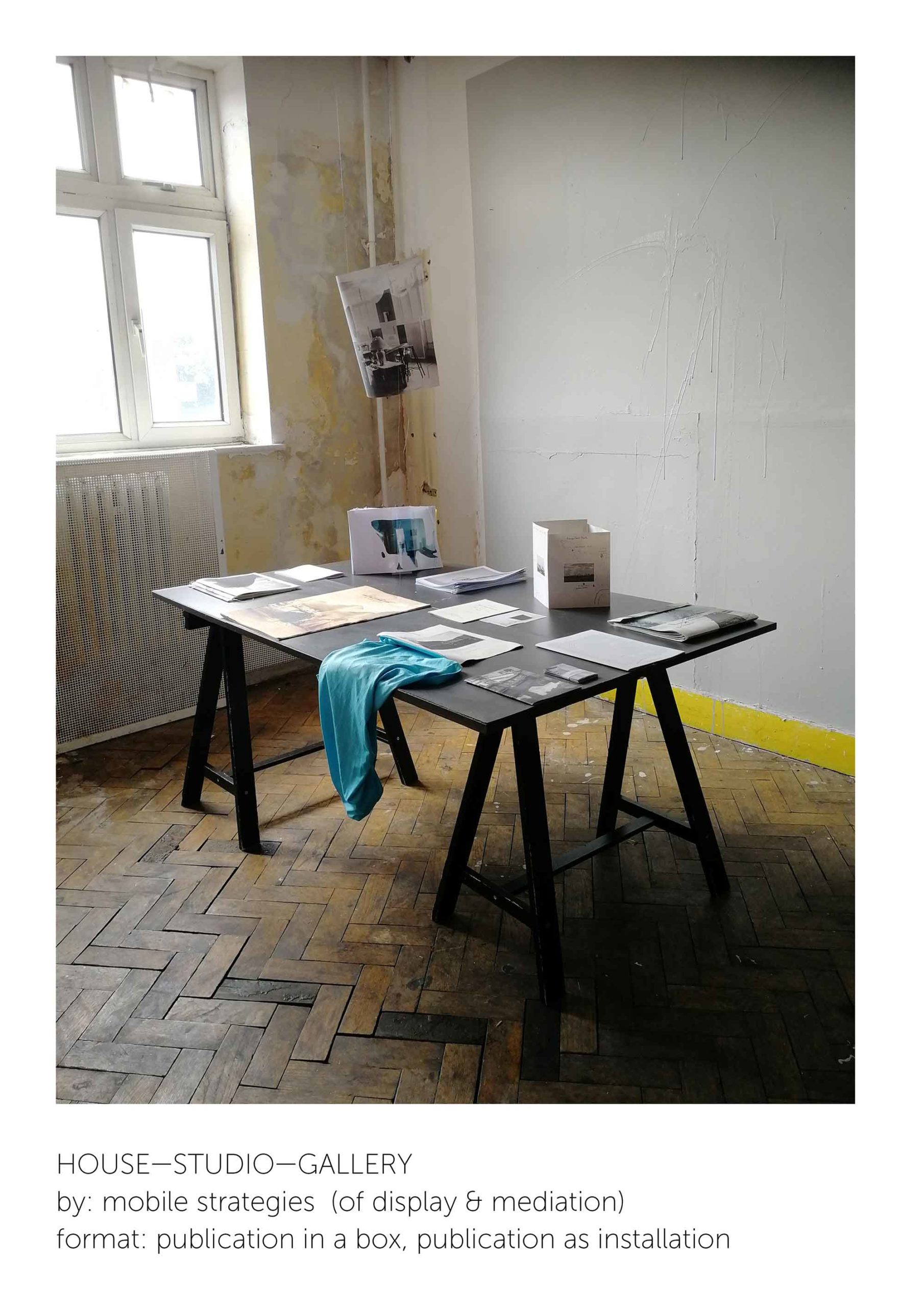
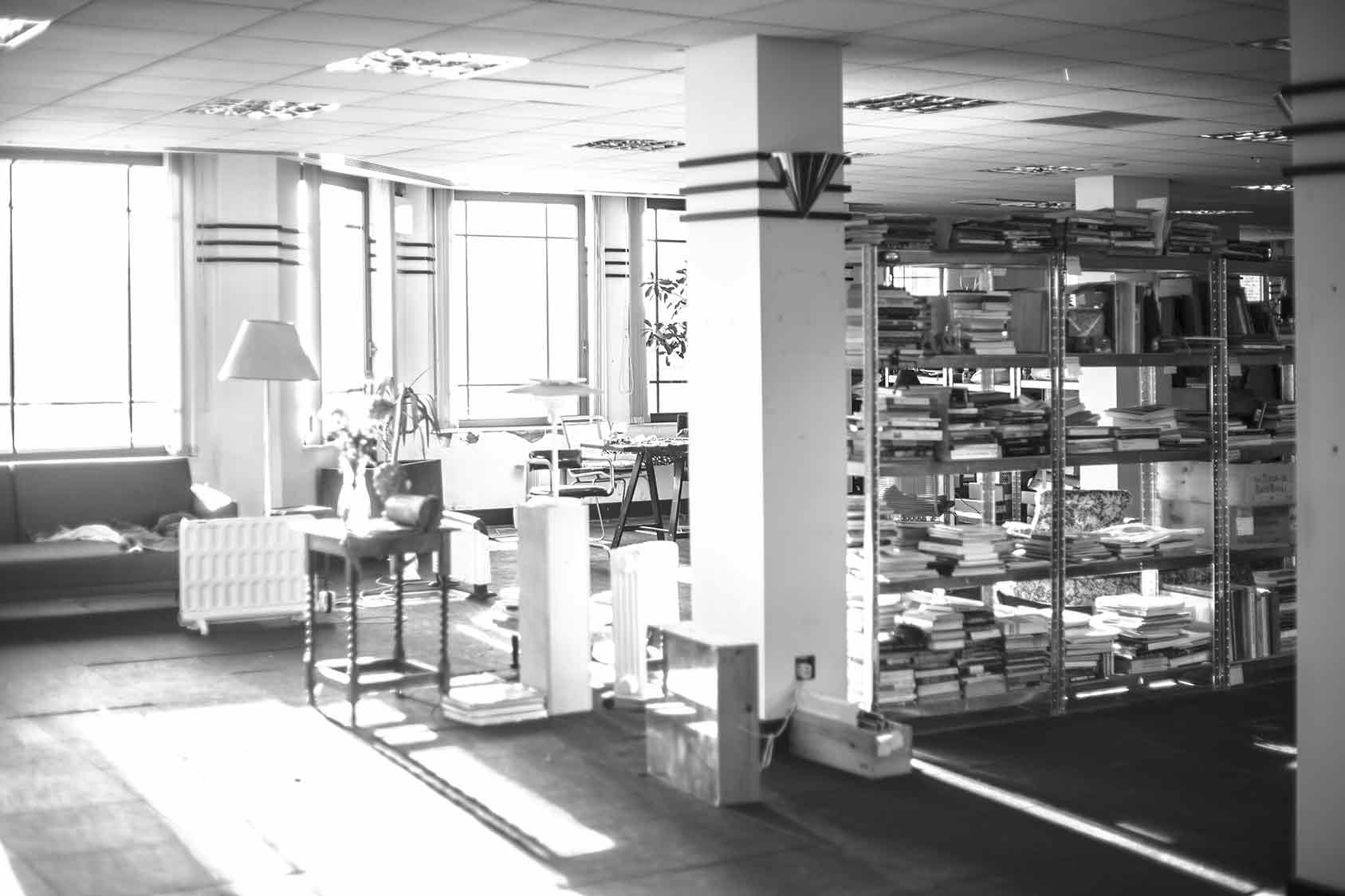
Rooted in the practice of mobile strategies of display and mediation (msdm), the house–studio–gallery operated through the adaptive reuse of vacant buildings in London. These spaces were temporarily inhabited and activated as self-contained units combining domestic life, artistic production, exhibition-making, and editorial work.
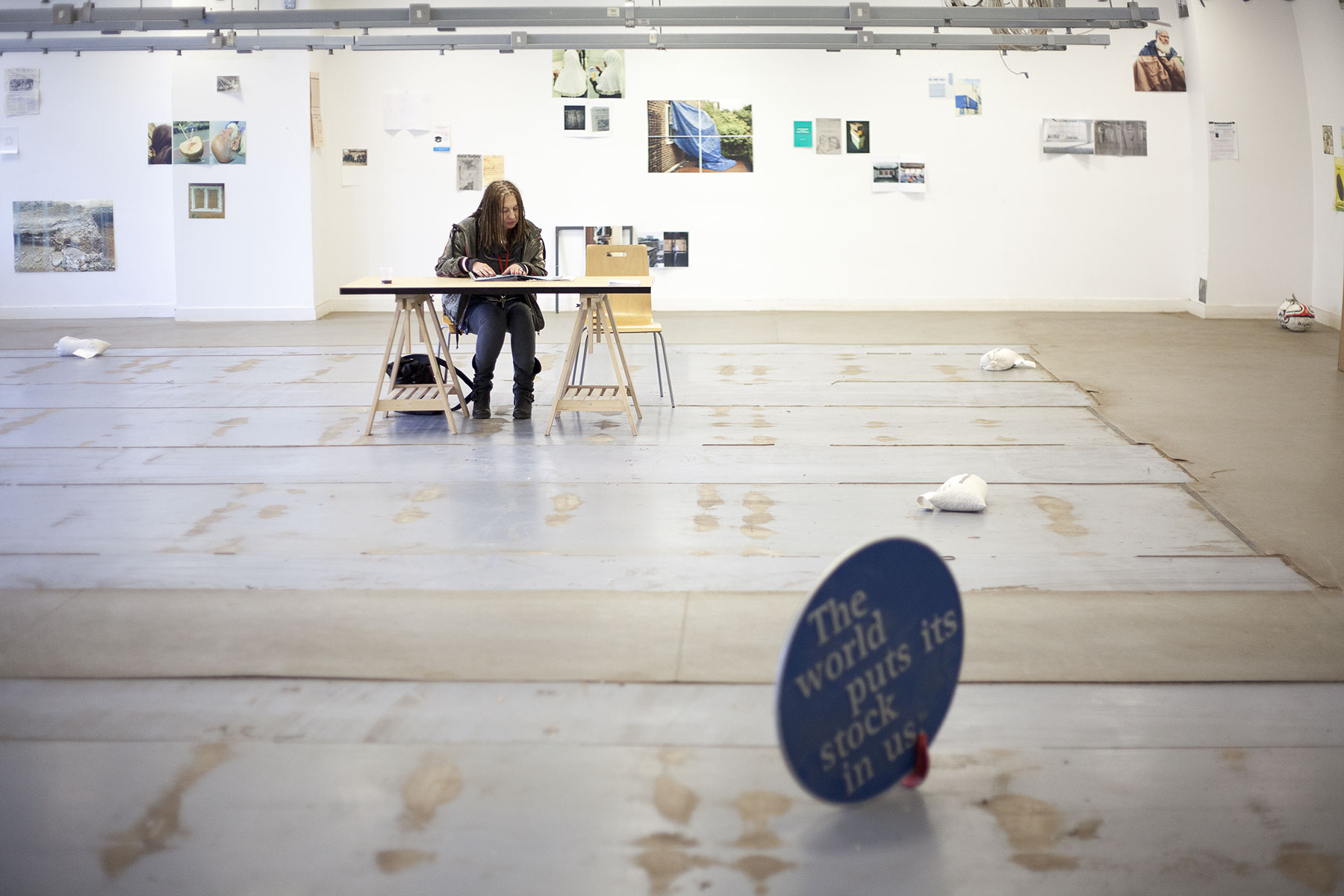
Rather than separating studio, gallery, and publication, the house–studio–gallery model brought them into continuous relation. Exhibitions were not endpoints, but moments within longer research processes. Mediation unfolded in real time through conversations, workshops, books, and installations. Publishing was not documentation after the fact, but an integral spatial and temporal extension of the work itself.
Buildings as sites of inquiry
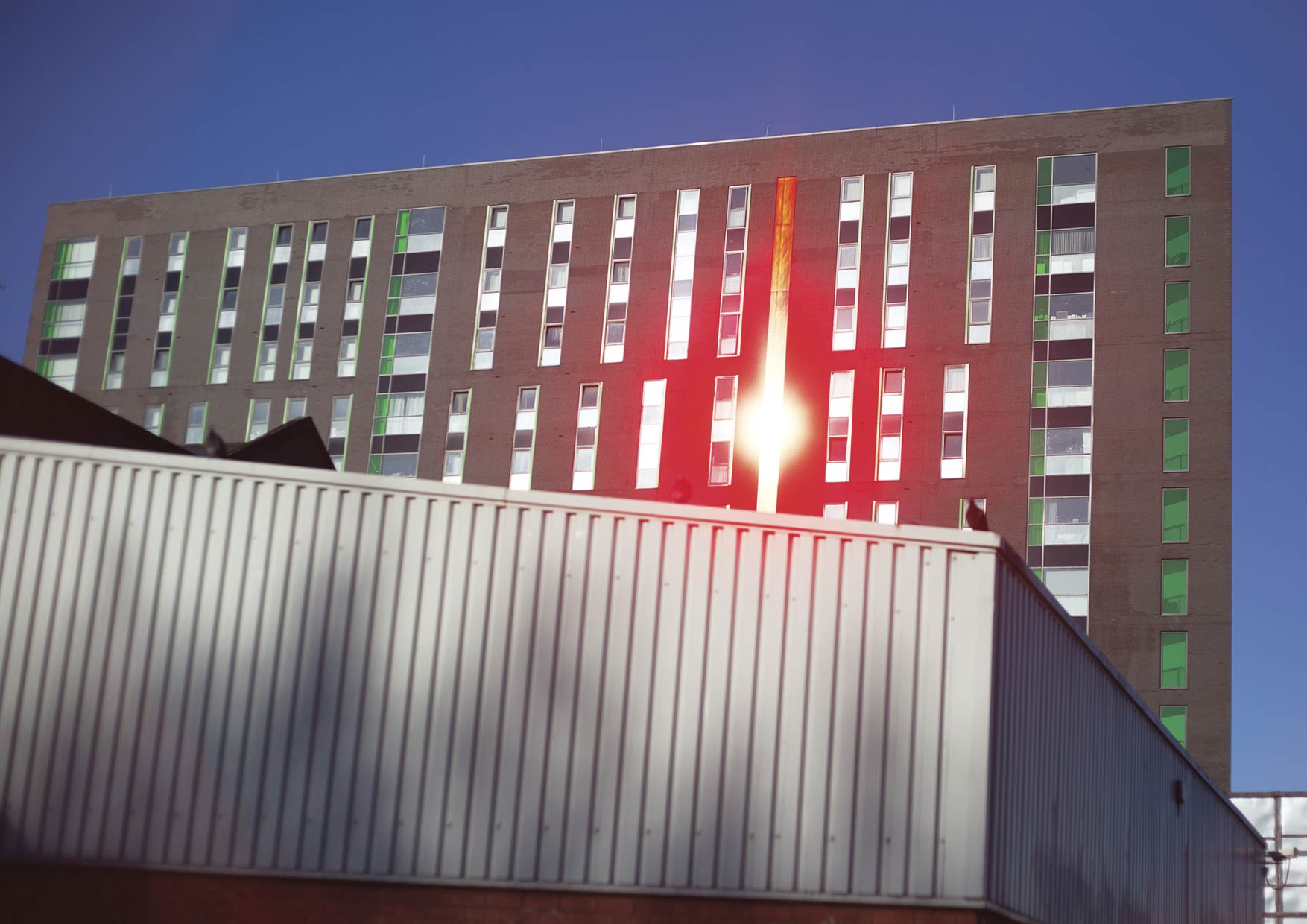
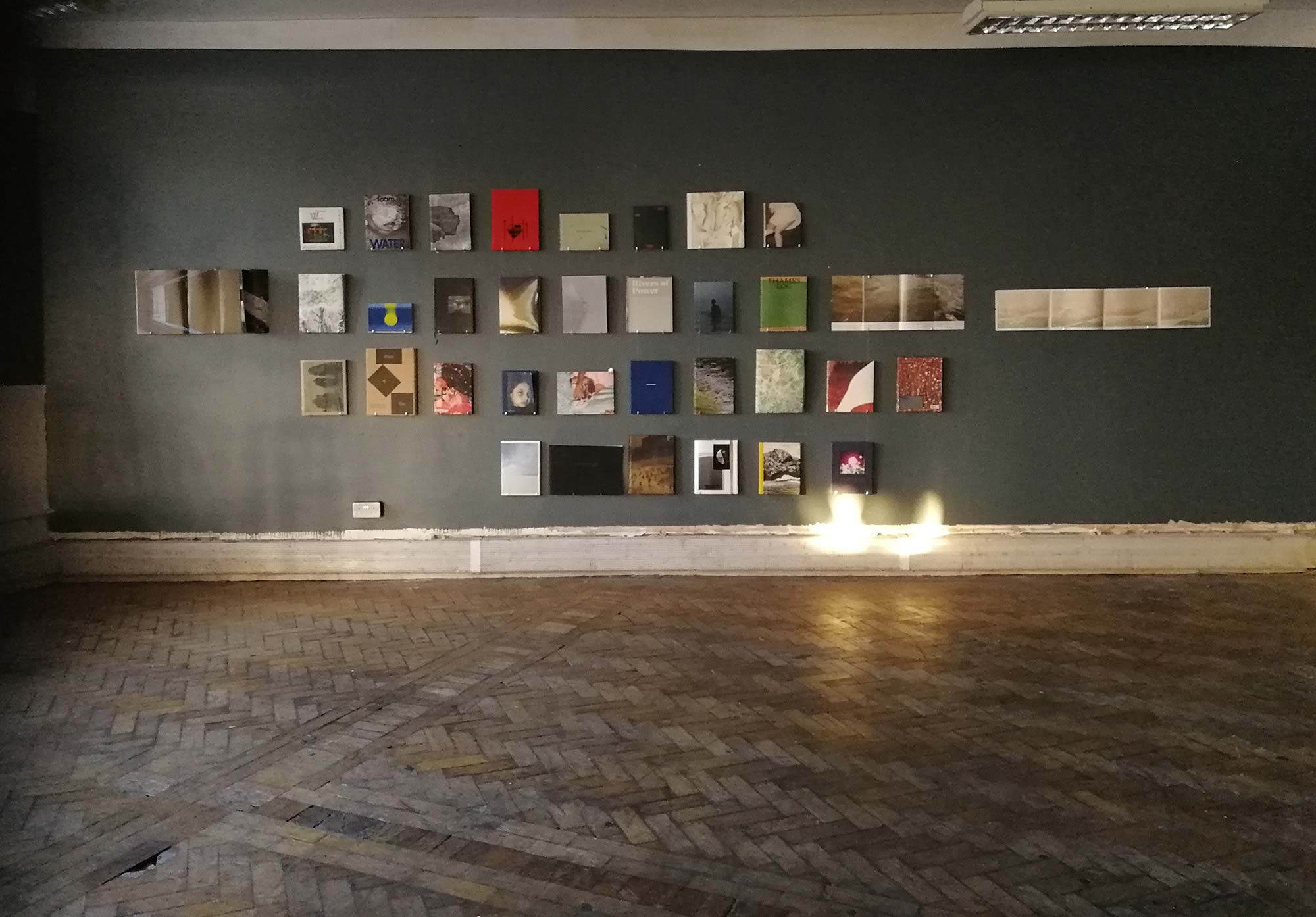
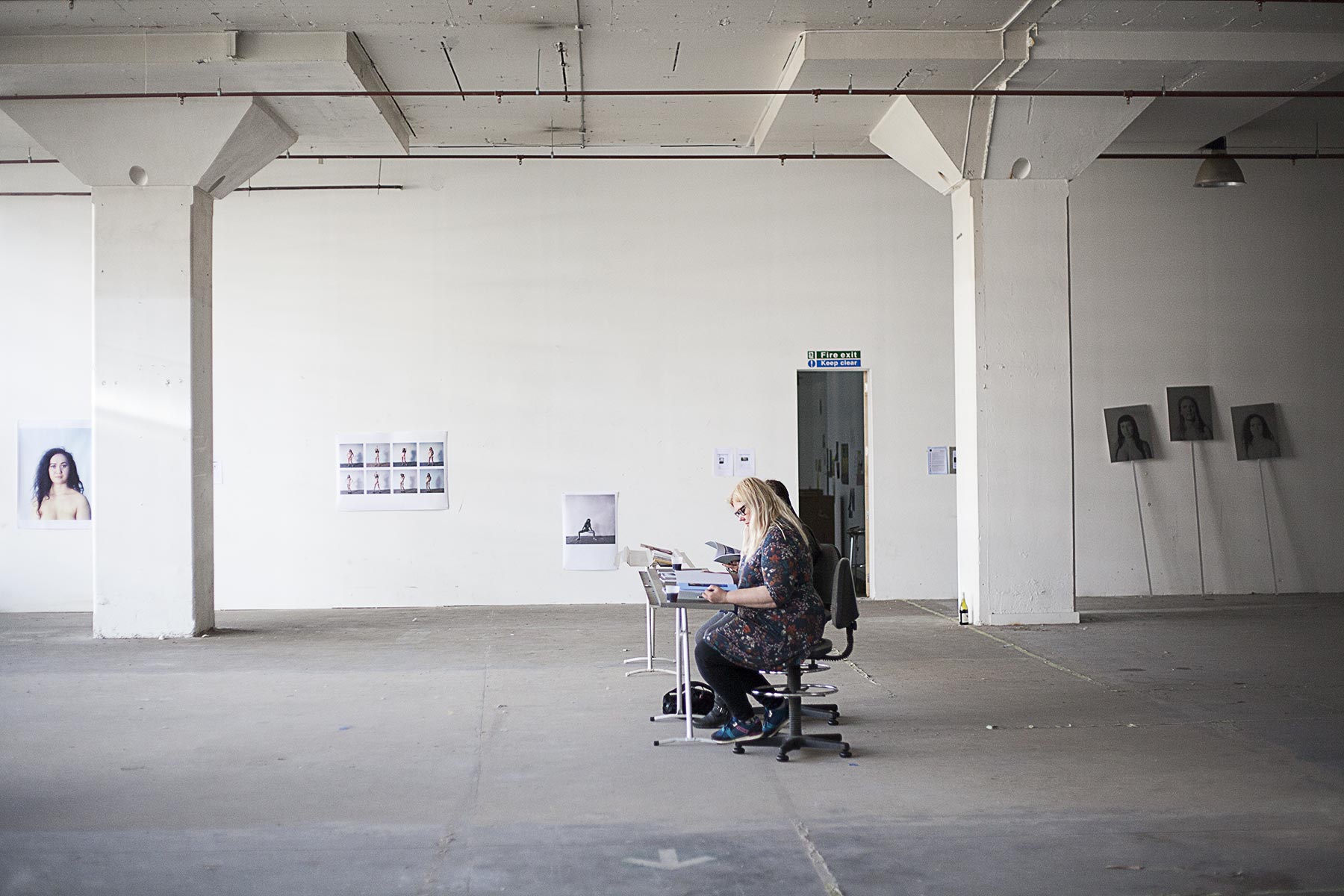
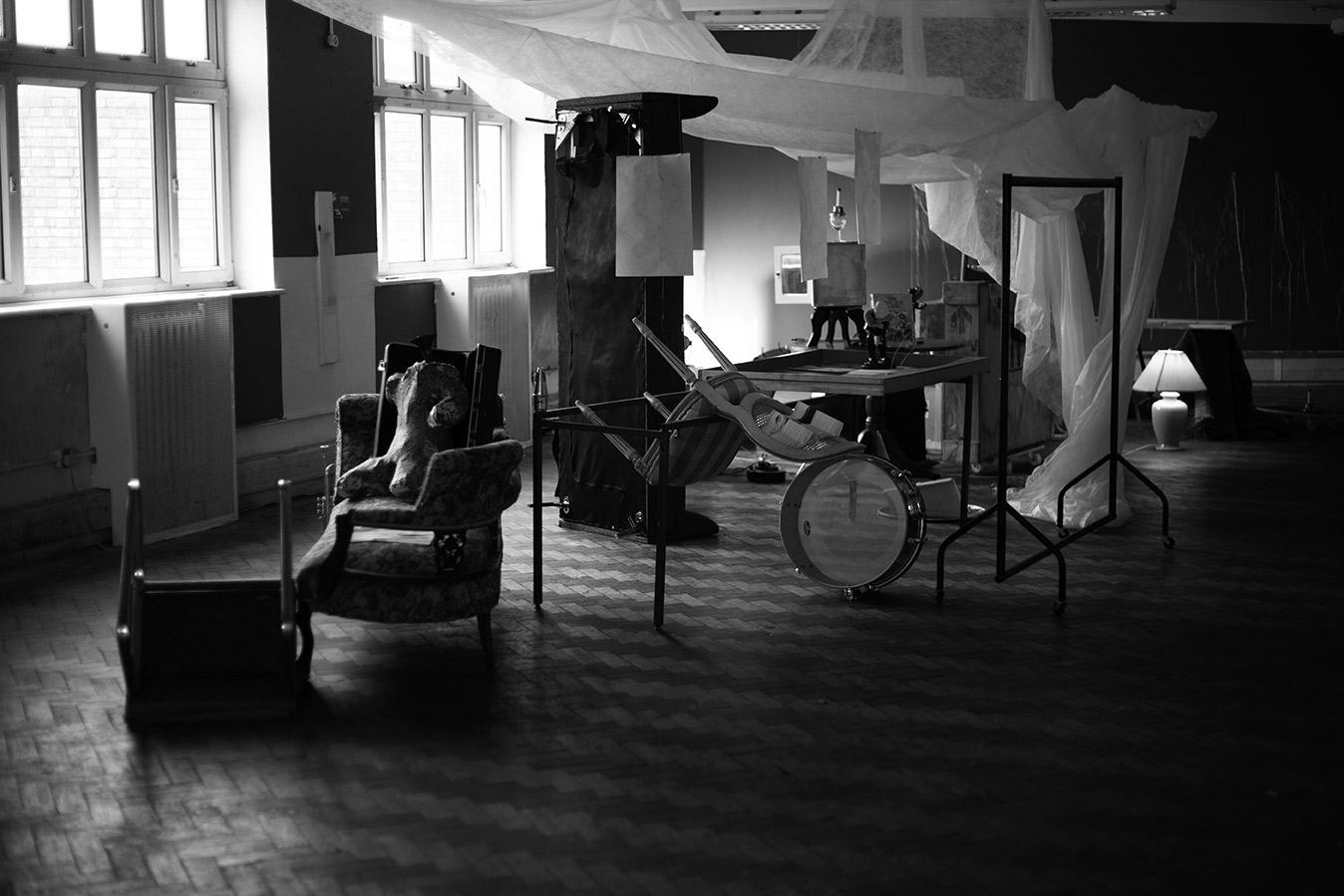
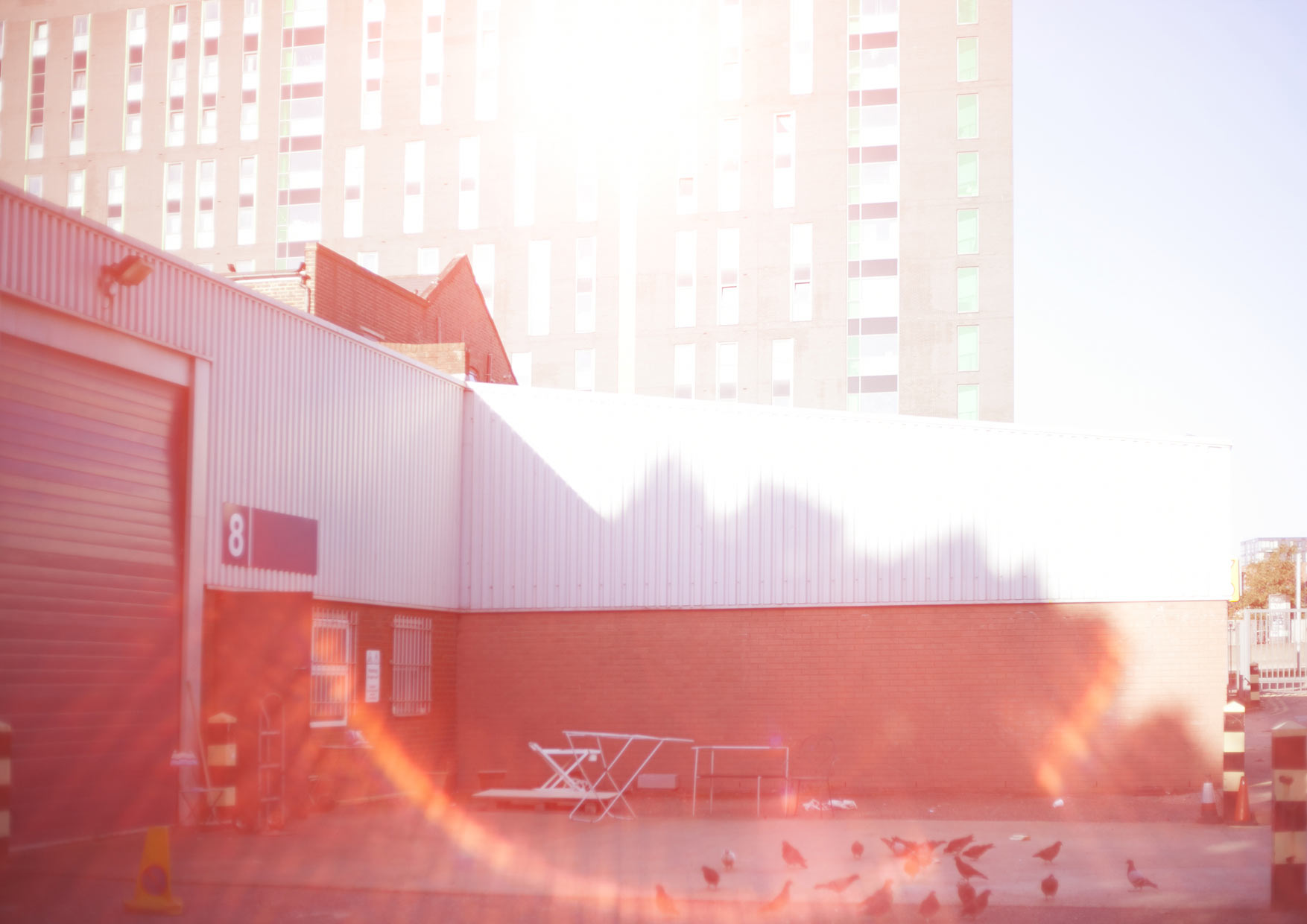
Each house–studio–gallery was treated as an archaeological site of the contemporary present. These were spaces marked by previous lives: industrial warehouses, workshops, electricity showrooms, administrative buildings. Their architectural features, residues, and atmospheres shaped both the photographic practice and the curatorial logic of each project.
Methodologies such as autoethnography, psychogeography, and site-responsive installation were used to explore the entanglement between domestic space, urban transformation, and contested spatiality. The house–studio–gallery became an expanded container for intimate photographic work, archival experimentation, and exhibition-making.
Publishing as spatial practice
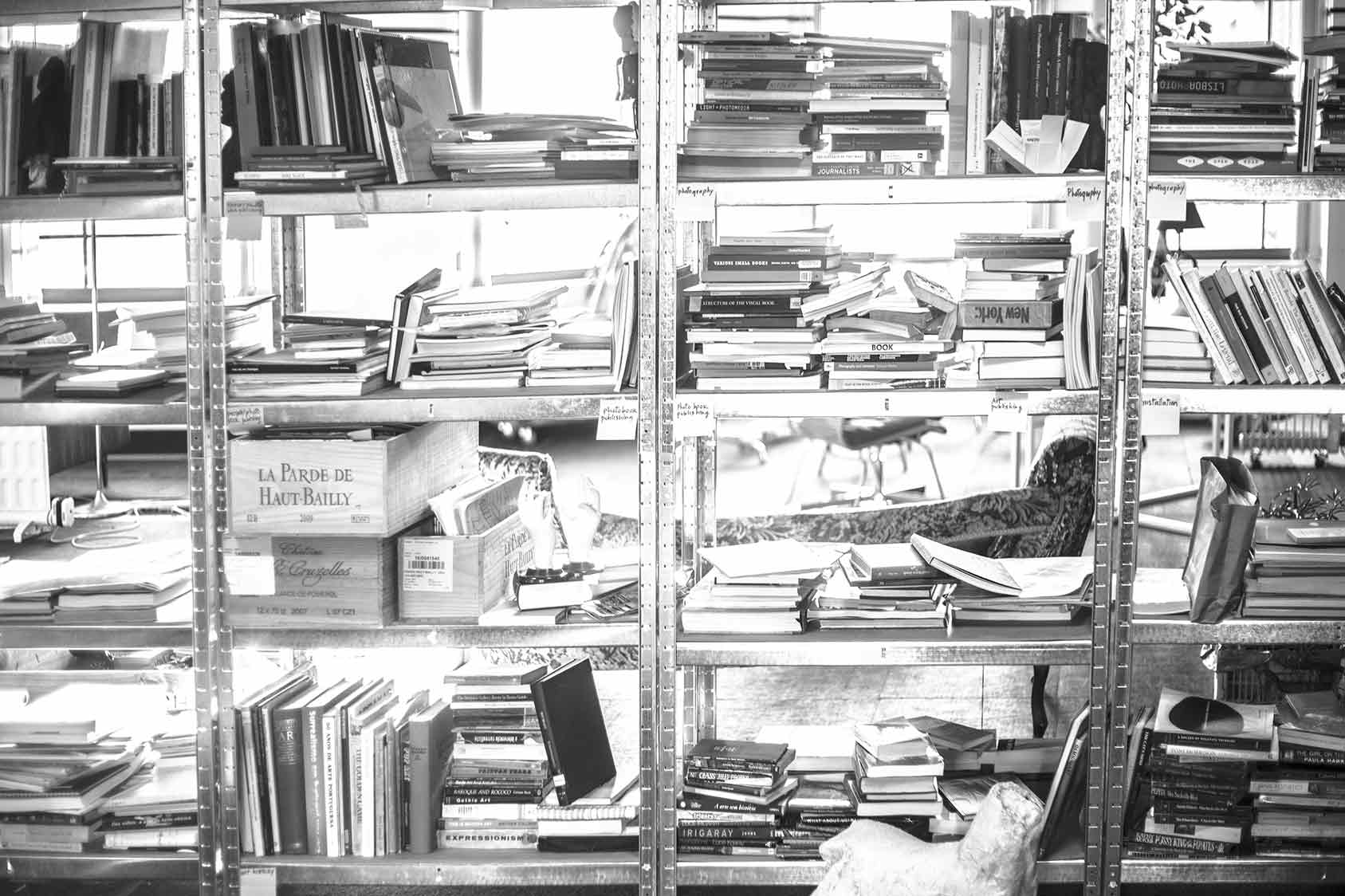
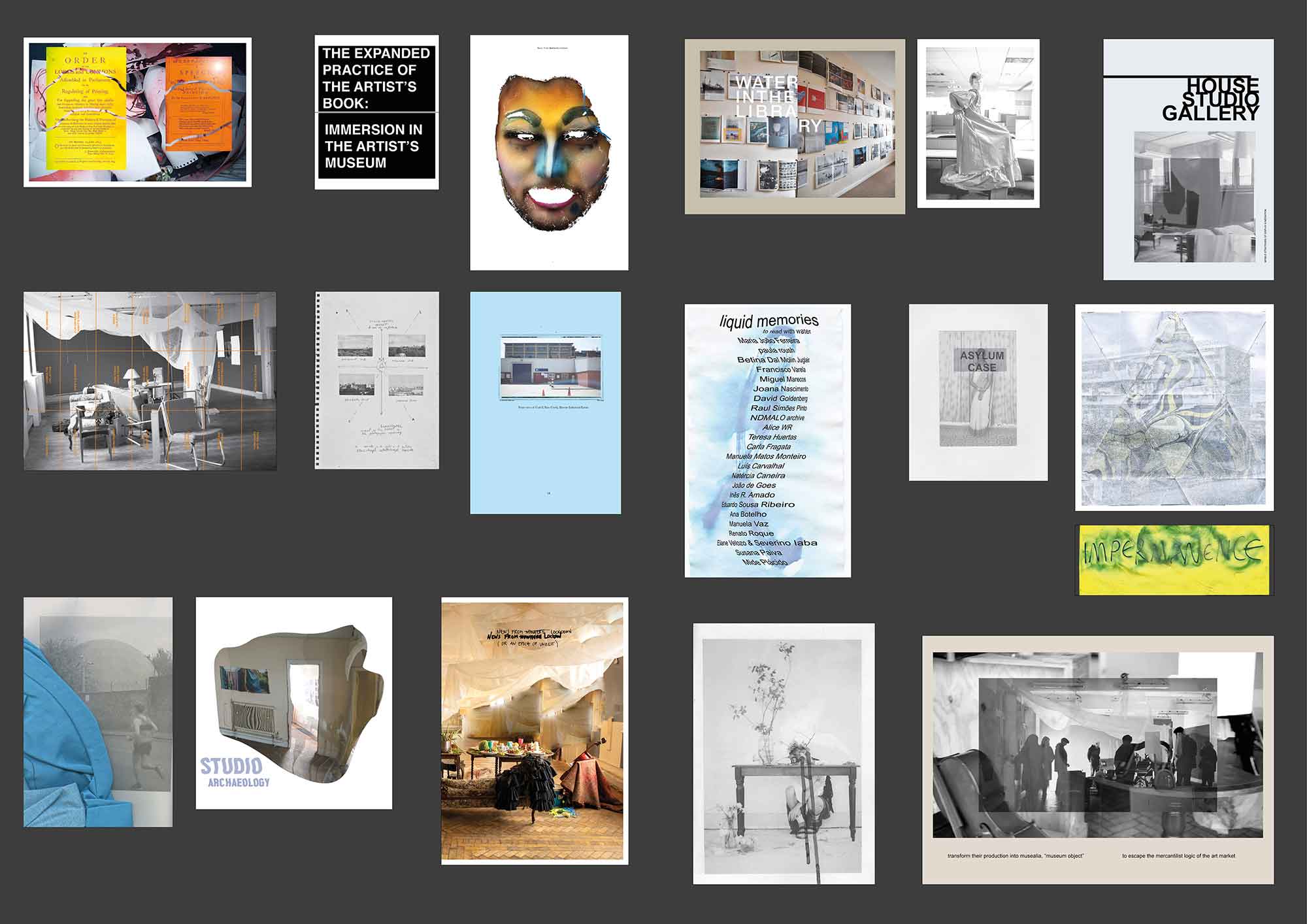
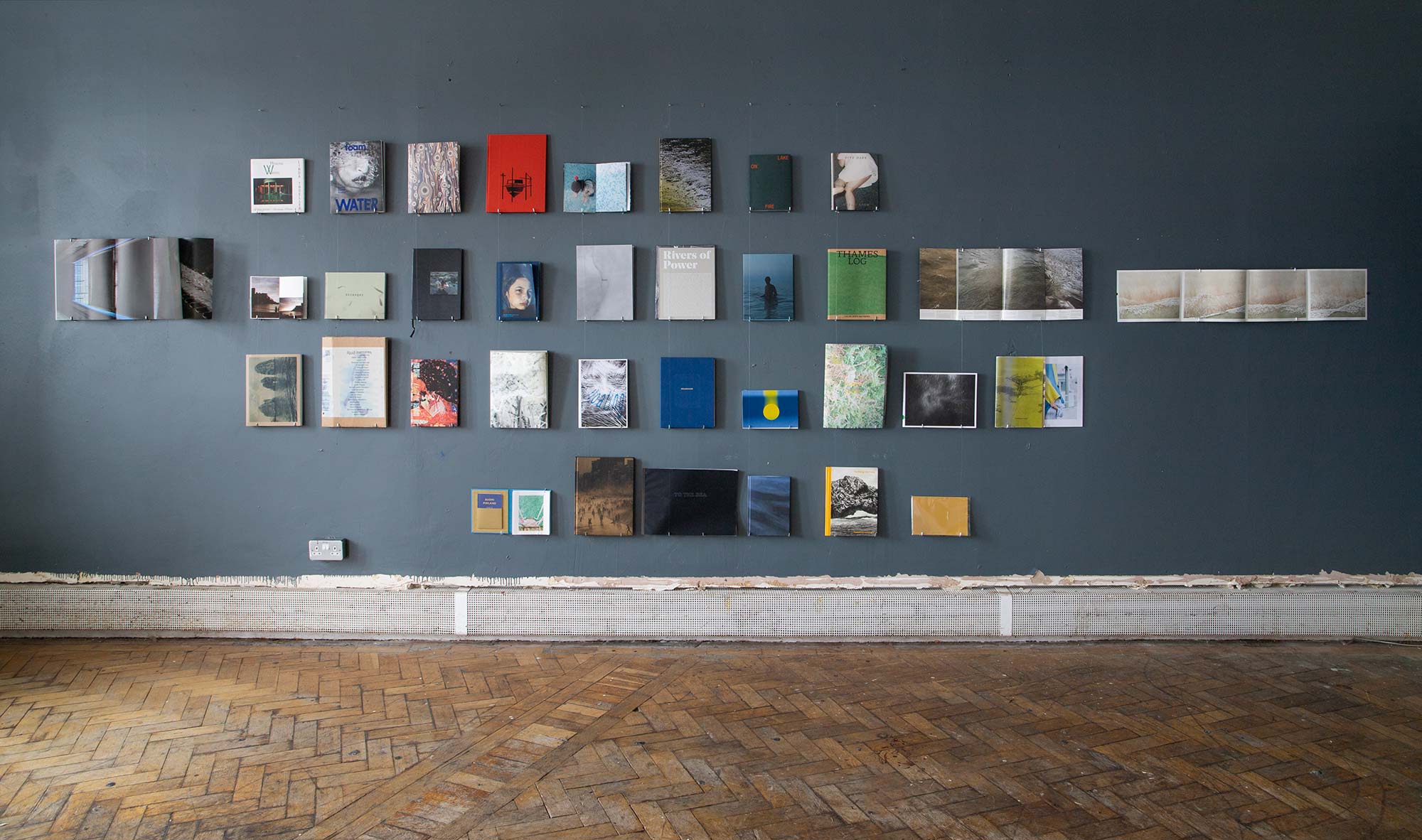
Publishing was central to the house–studio–gallery. Books, cards, and printed matter functioned as mobile architectures — carrying the research beyond the temporary lifespan of each building.
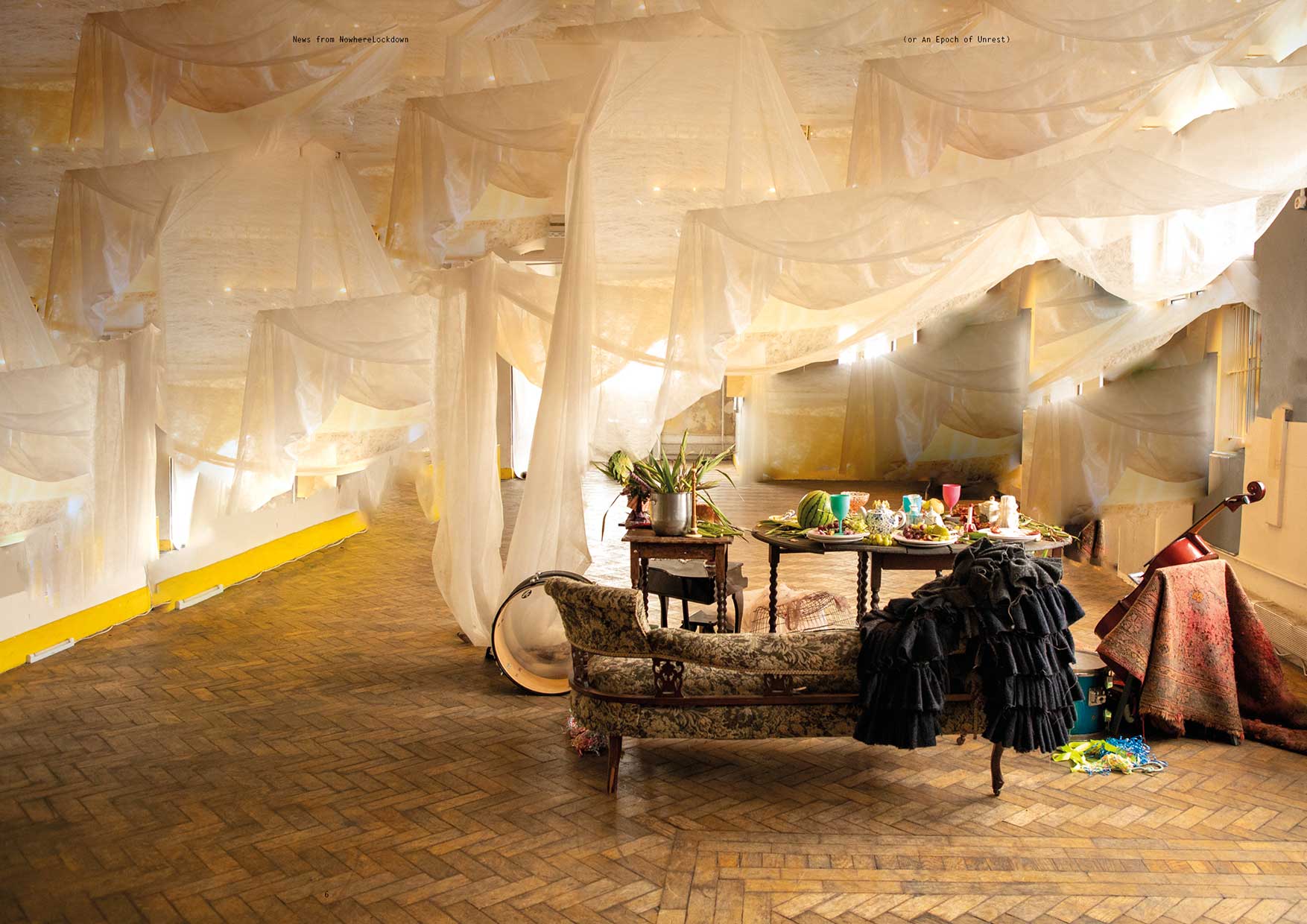
Publications developed during this period include Blackchapel Woundings, Decomposition, News from Nowhere: Lockdown, Domenest: 21 Cards for Mobile Strategies of Display & Mediation, and The Expanded Practice of the Artist’s Book: Immersion in the Artist’s Museum. Each publication operated as a parallel site of thinking, extending the spatial and conceptual concerns of the installations.
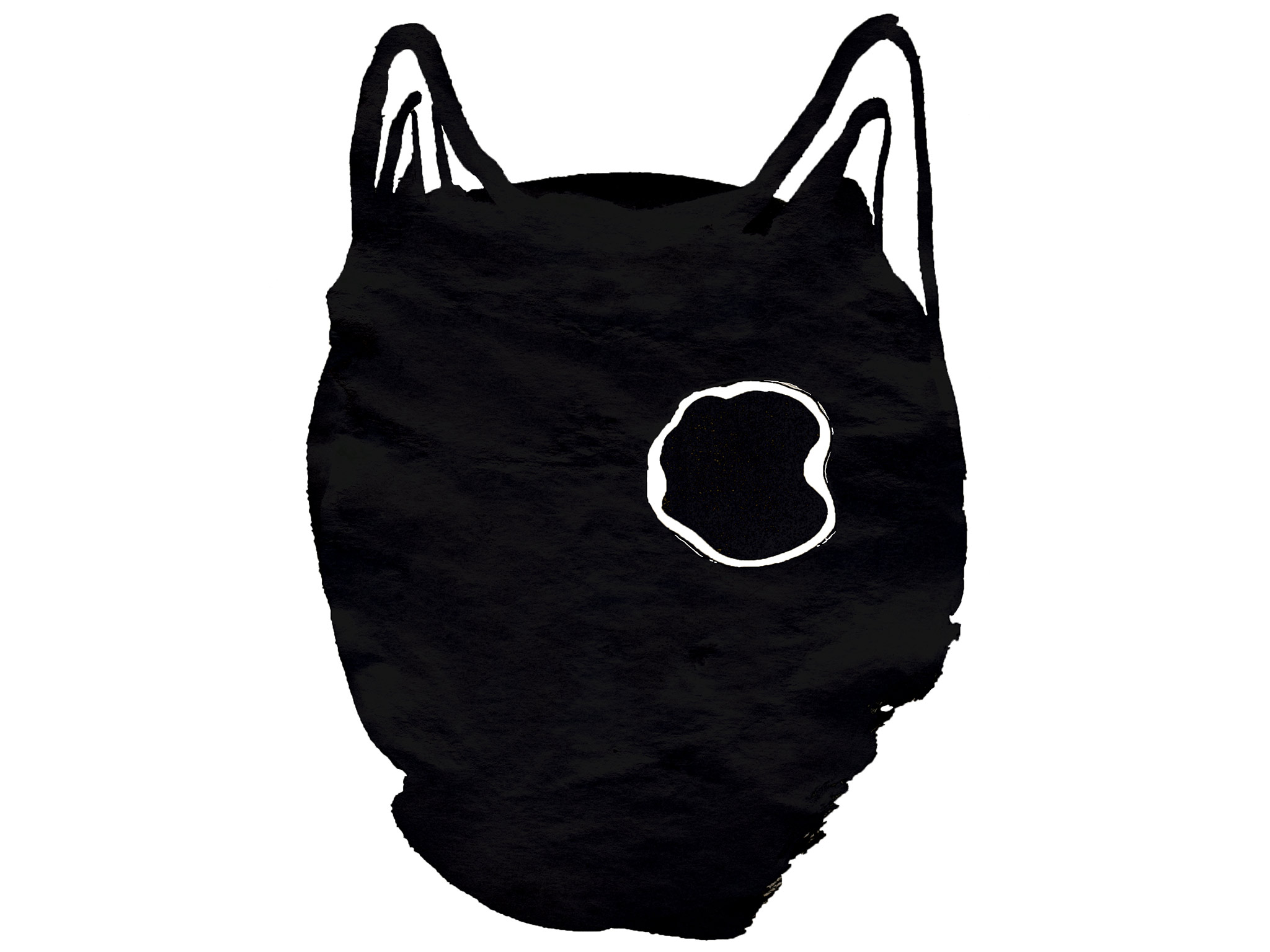
The msdm house–studio–gallery logo itself became a character within The Memory of Stones, a collage-novel created during a residency at the Frans Masereel Centrum, inspired by the animal ally iri-garay — an emblem of the more-than-human dimensions of the practice.
Projects, exhibitions, and works
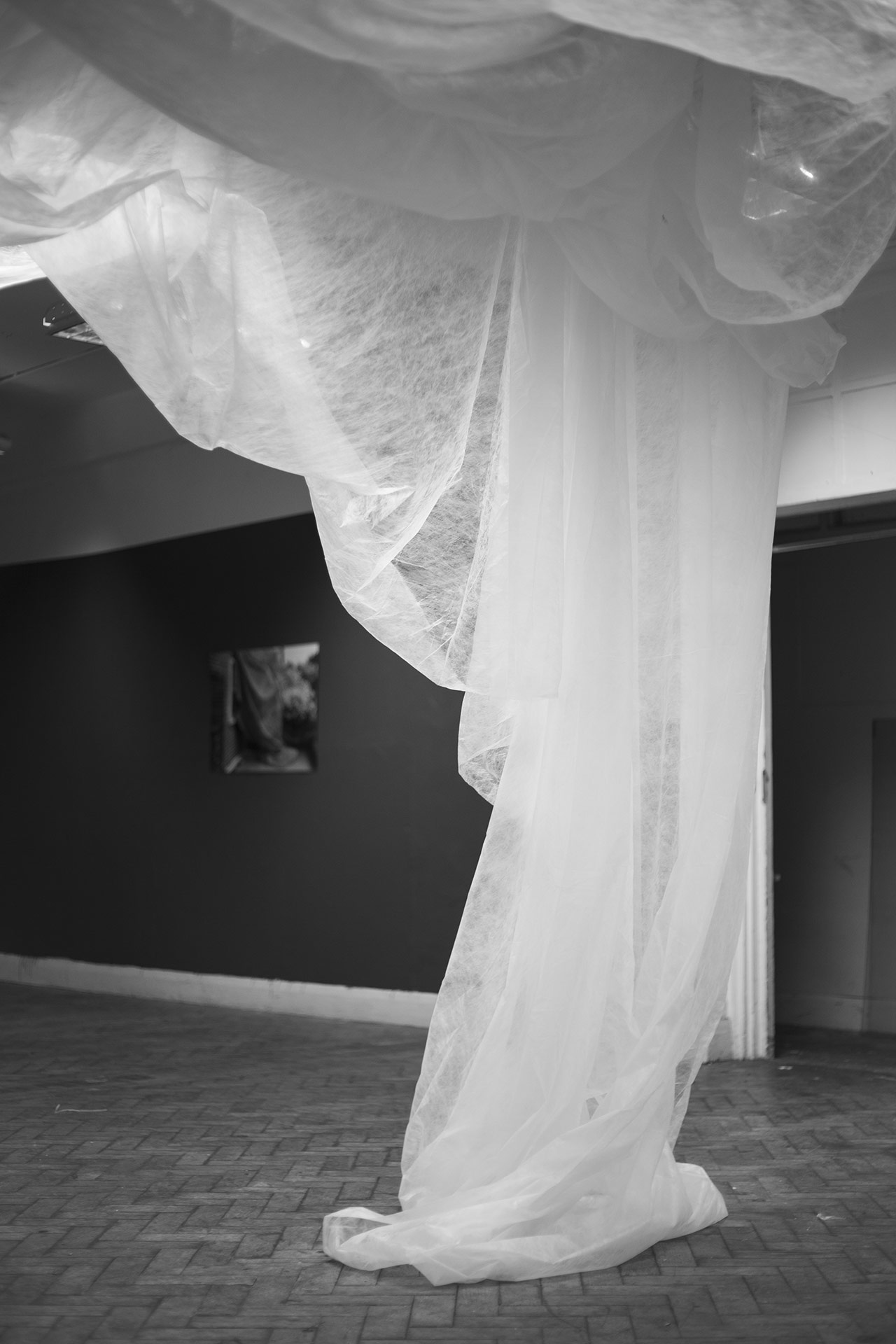
Projects developed within the house–studio–gallery framework include Evidencing the East End, Flora McCallica, Electric Kabbalah, and Domenest. These took the form of photographic installations, pigment transfers, laser prints, suspended works, and archival displays, all responding directly to the architectural and social conditions of each site.
The video-essay The Expanded Practice of the Artist’s Book: Immersion in the Artist’s Museum, developed during Francisco Varela’s residency at msdm (2019), reflects critically on this model. It premiered at the University of Kent in 2020 and was later presented alongside the accompanying publication in Canada (2022), situating the house–studio–gallery within wider discussions on virtual museums and expanded publishing.
Publications (Selected)
The Expanded Practice of the Artist’s Book: Immersion in the Artist’s Museum
DOMENEST: 21 Cards for Mobile Strategies of Display & Mediation
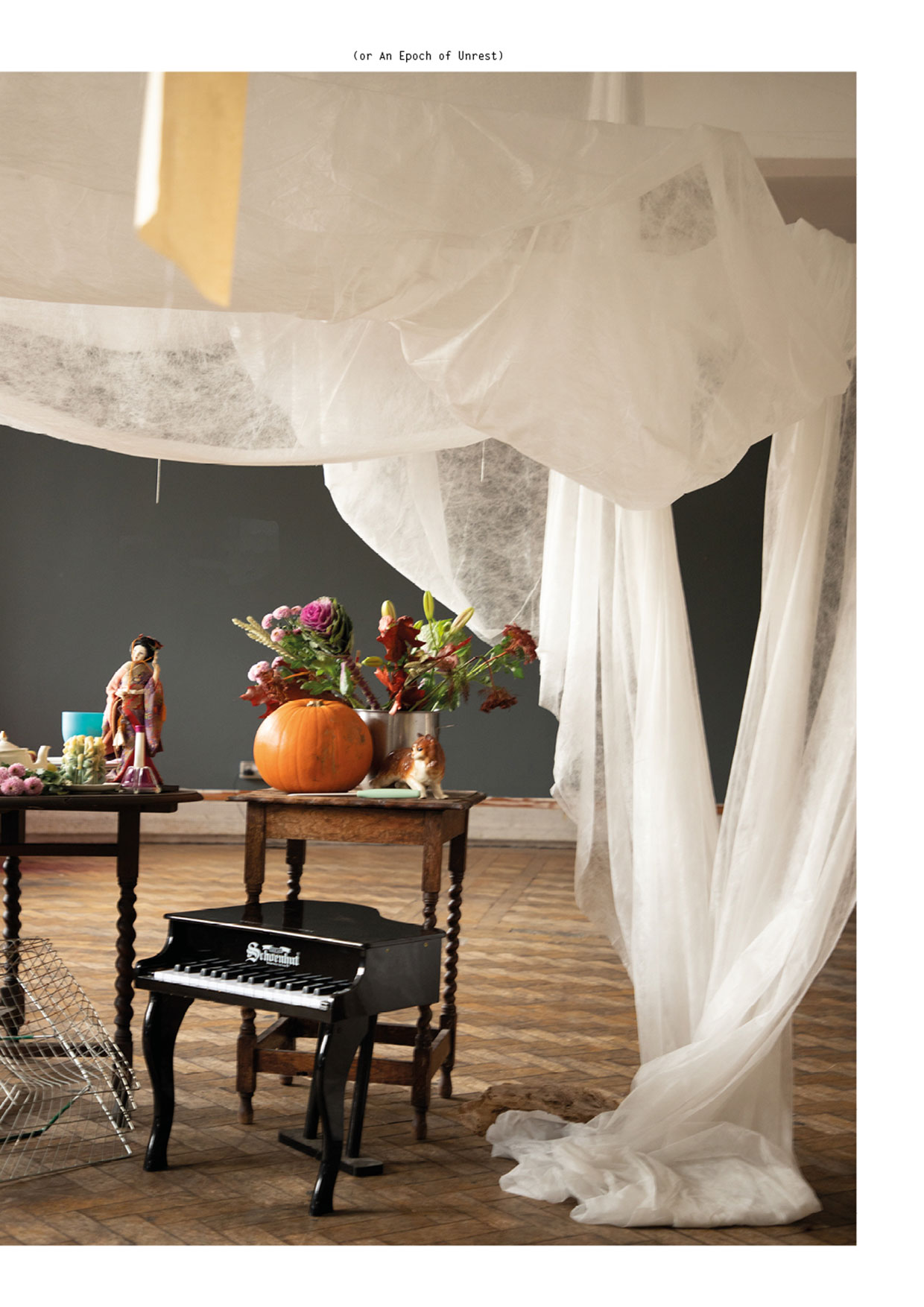
News from Nowhere: Lockdown (or An Epoch of Unrest)
Blackchapel Woundings
Exhibitions (Selected)
Museums Without Walls
DOMENEST
Evidencing the East End
From practice to manifesto
The house–studio–gallery constitutes the material and lived ground from which the msdm manifesto emerges. It is not a retrospective framework, but an accumulated practice — one that continues to inform current pedagogies of slowness, editorial methodologies, and forms of situated mediation developed through msdm today.
The manifesto articulates what the house–studio–gallery enacted: living as infrastructure, publishing as method, and mediation as a relational, more-than-human practice.
Legacy and continuity
The msdm house–studio–gallery phase formally concludes in 2025, but its methodologies continue to inform current msdm projects. The attention to place-based research, the treatment of space as collaborator, the integration of publishing as method, and the commitment to slow, situated pedagogies now extend into new contexts — including watery places, ecological fieldwork, participatory books, and computational editorial practices.
The house–studio–gallery remains a foundational chapter in msdm: a lived experiment in how to inhabit space, time, and publication differently.
→ Explore msdm publications
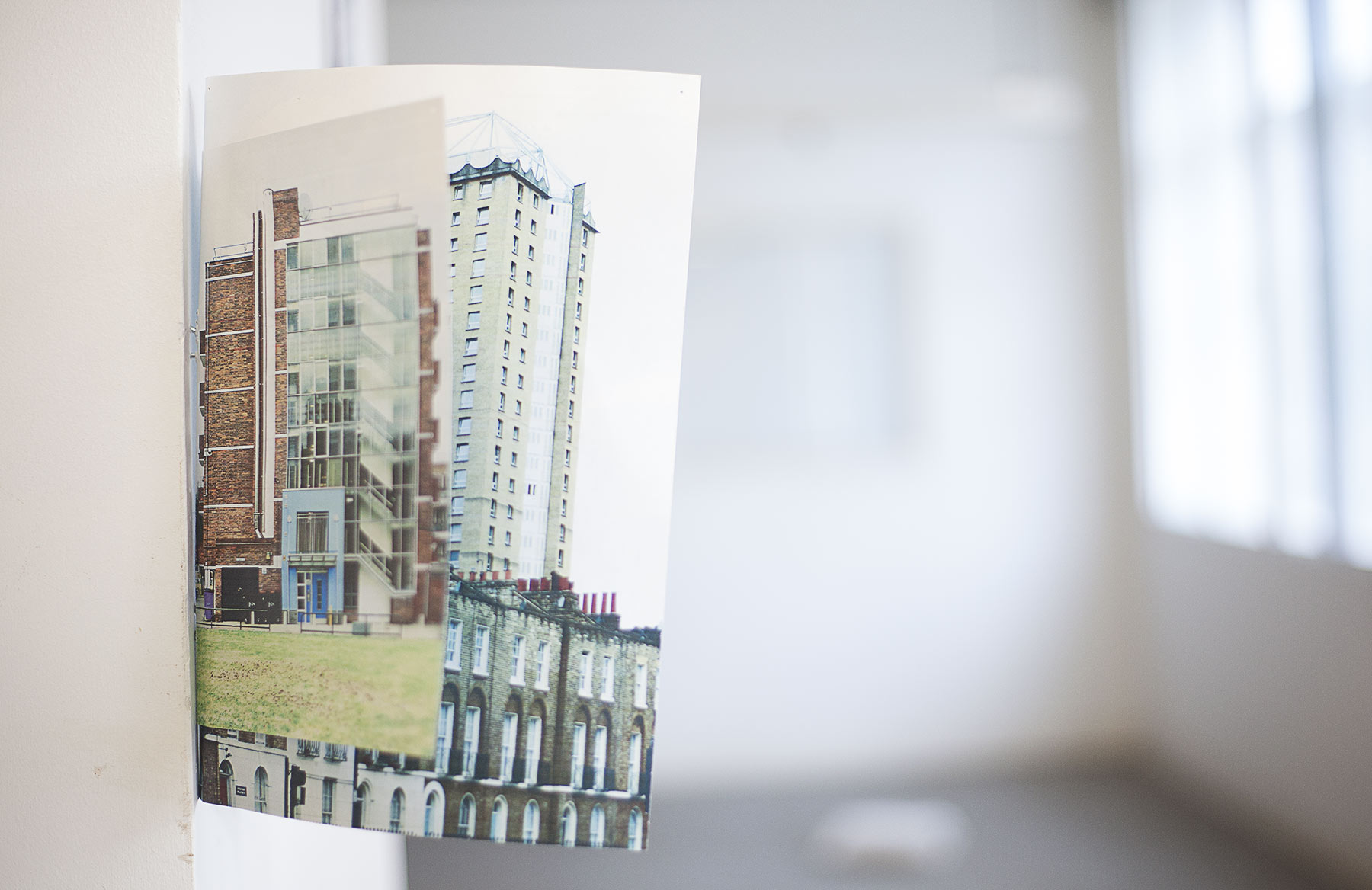
EVIDENCING THE EAST END:
paula roush [BLACKCHAPEL]
+ Julie Cook [East London Stripper Collective]
msdm House-Studio-Gallery
Stepney Way Warehouse (Whitechapel)
[+more]
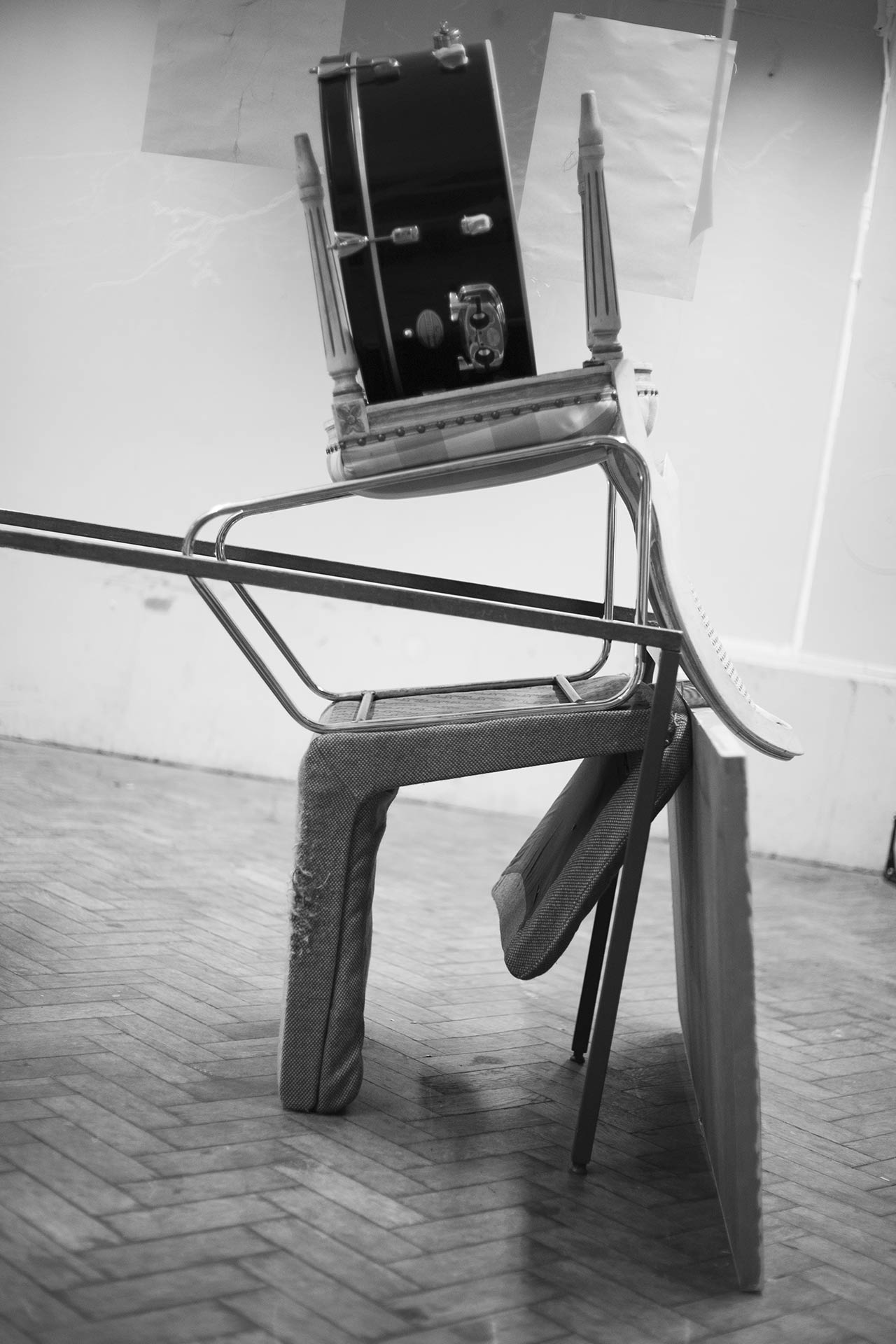
DOMENEST
paula roush + natercia caneiro
msdm House-Studio-Gallery
Artillery Place (Woolwich)oto-texts, 29.7 x 21 cm each
[+more]
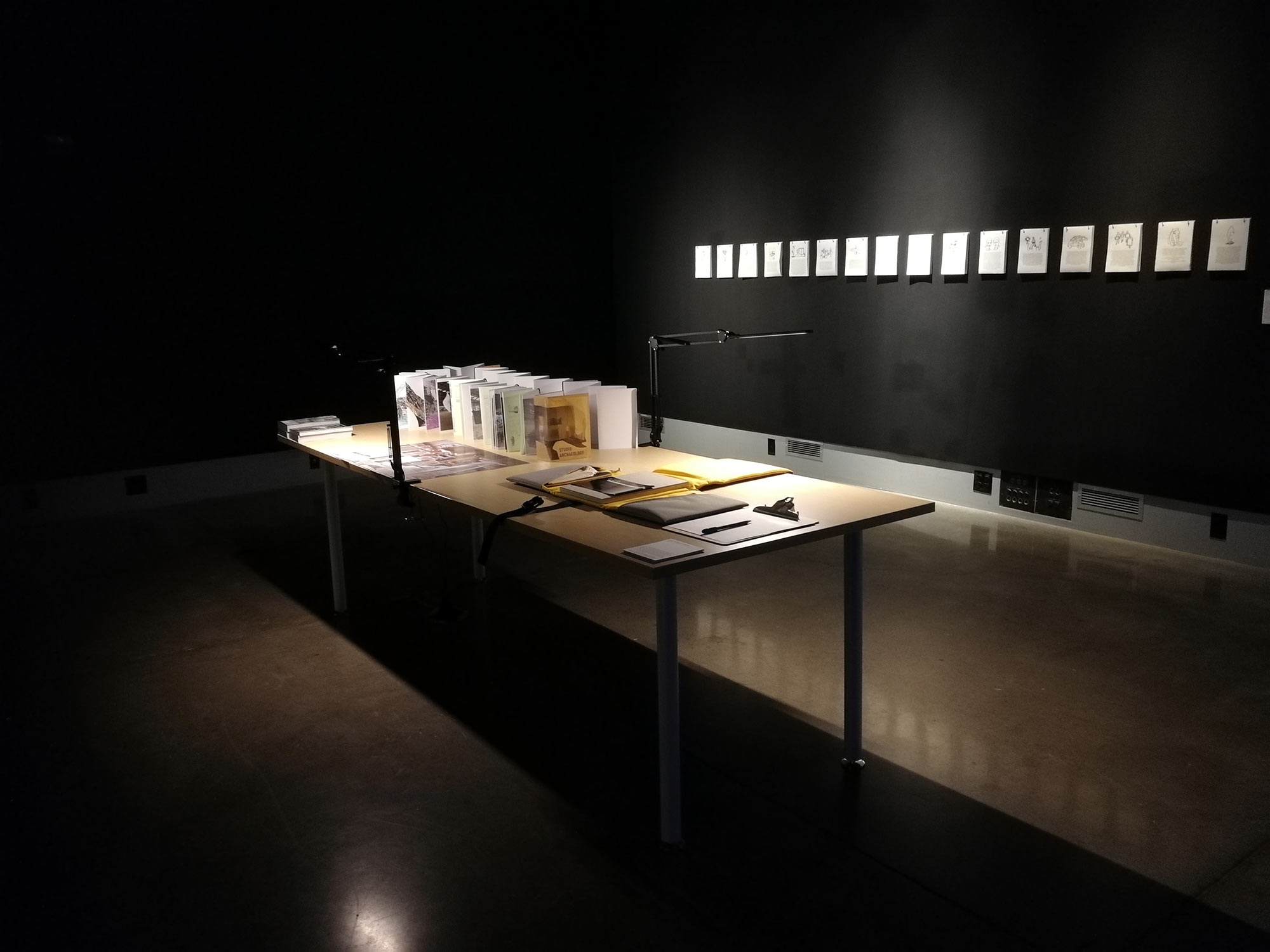
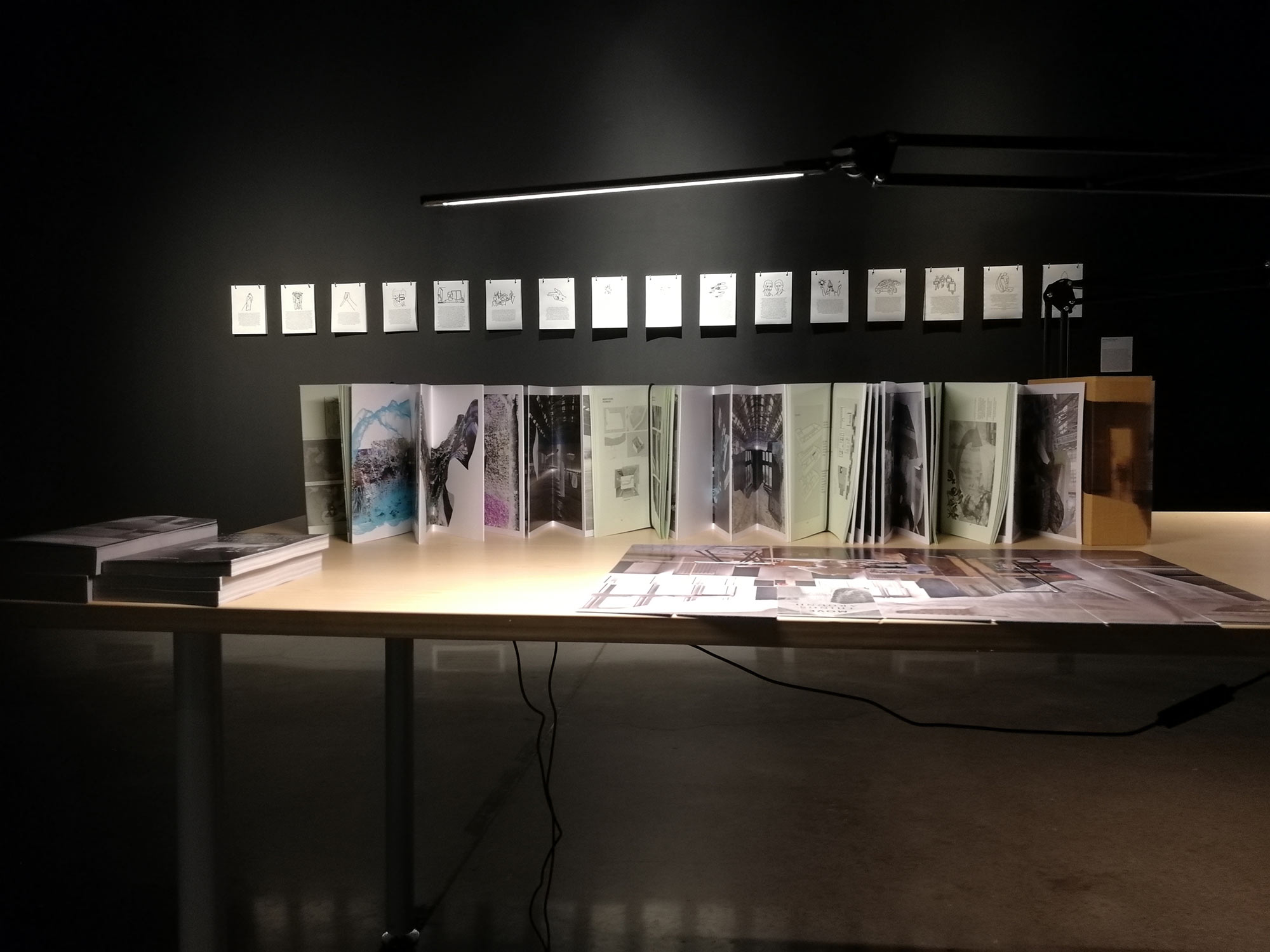
msdm house—studio—gallery: publication as installation
MUSEUMS WITHOUT WALLS conference+exhibition
Isabel Bader Centre Kingston CA
[+more]
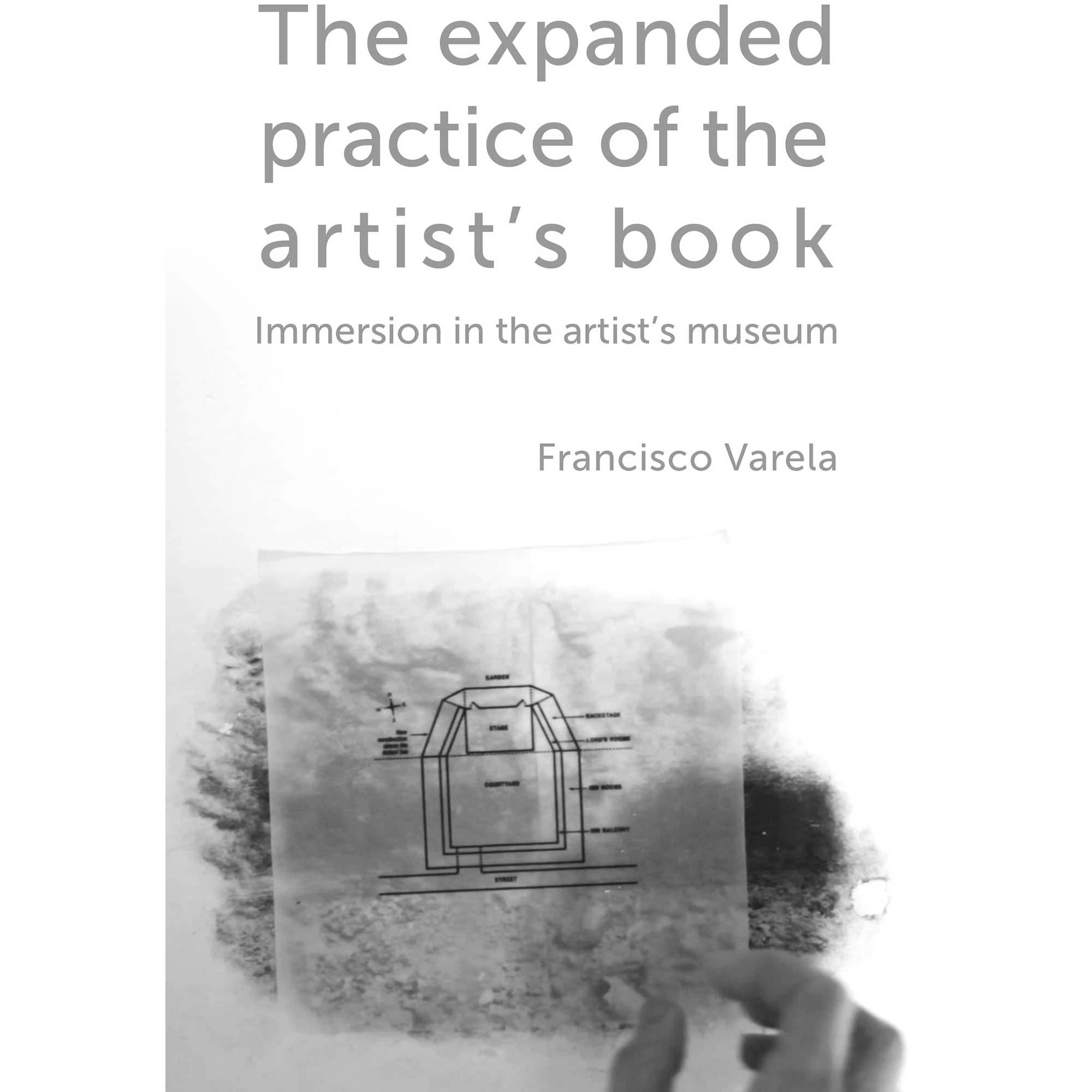
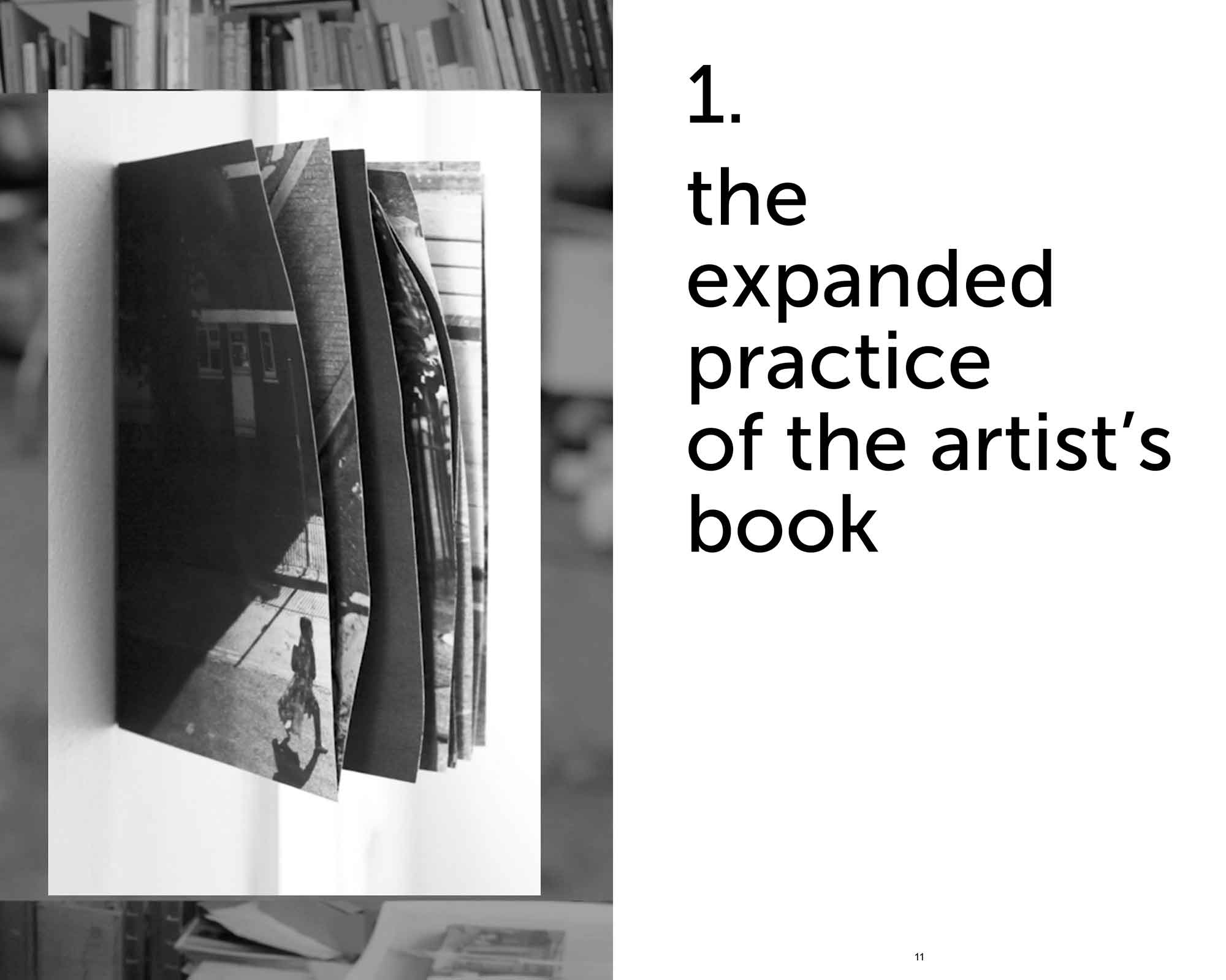
The expanded practice of the artist’s book:
Immersion in the artist’s museum (paperback)
[+more]
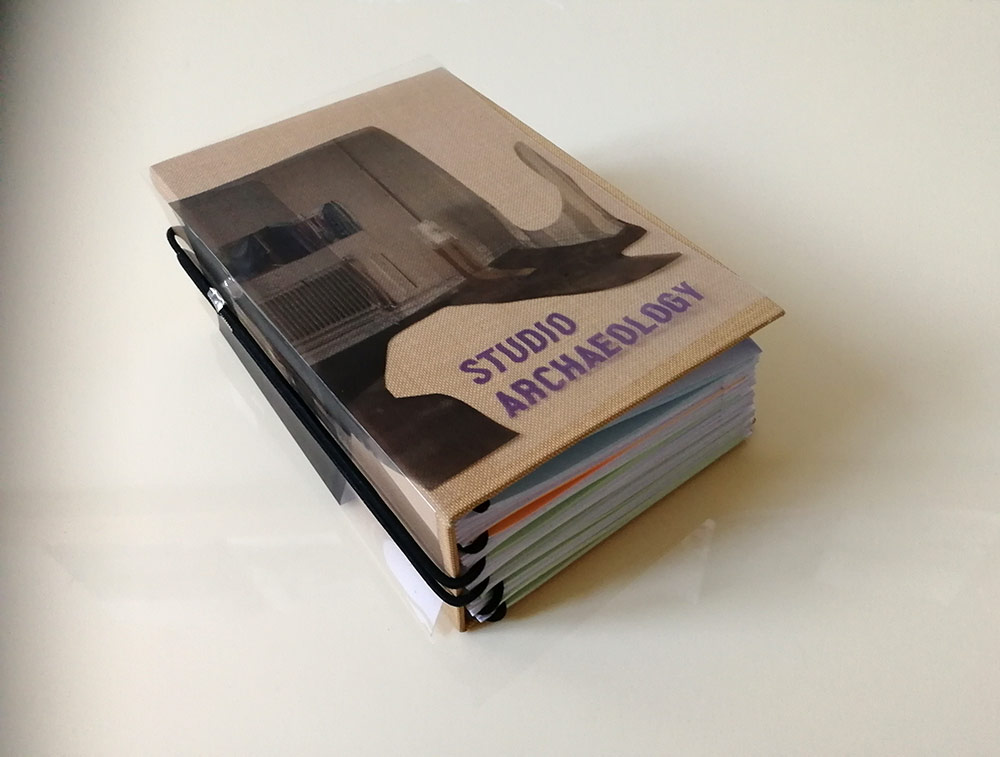
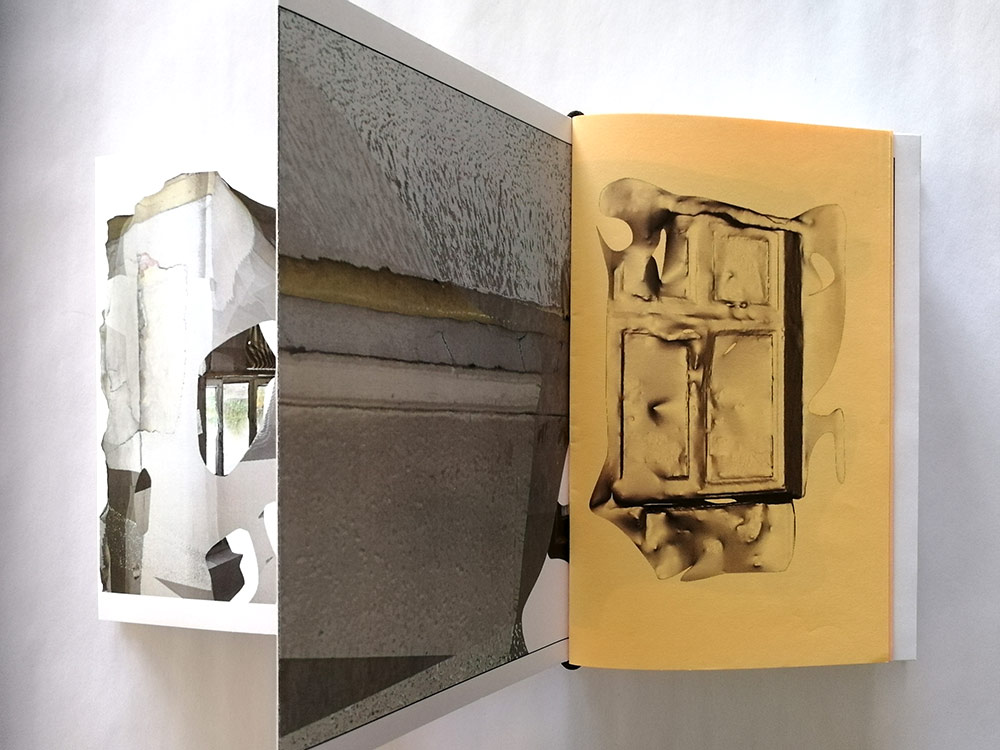
STUDIO/ ARCHAEOLOGY
[+more]
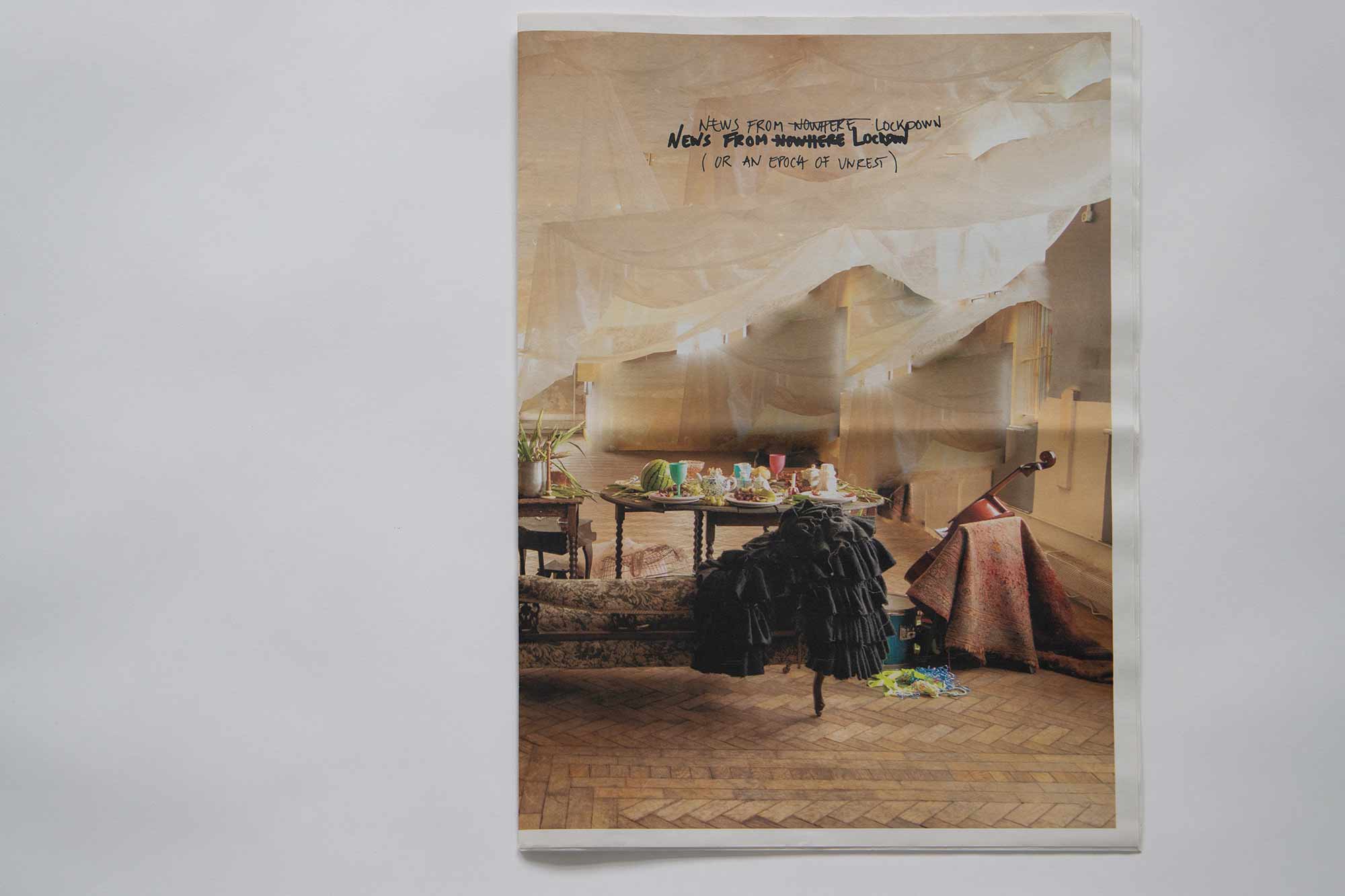
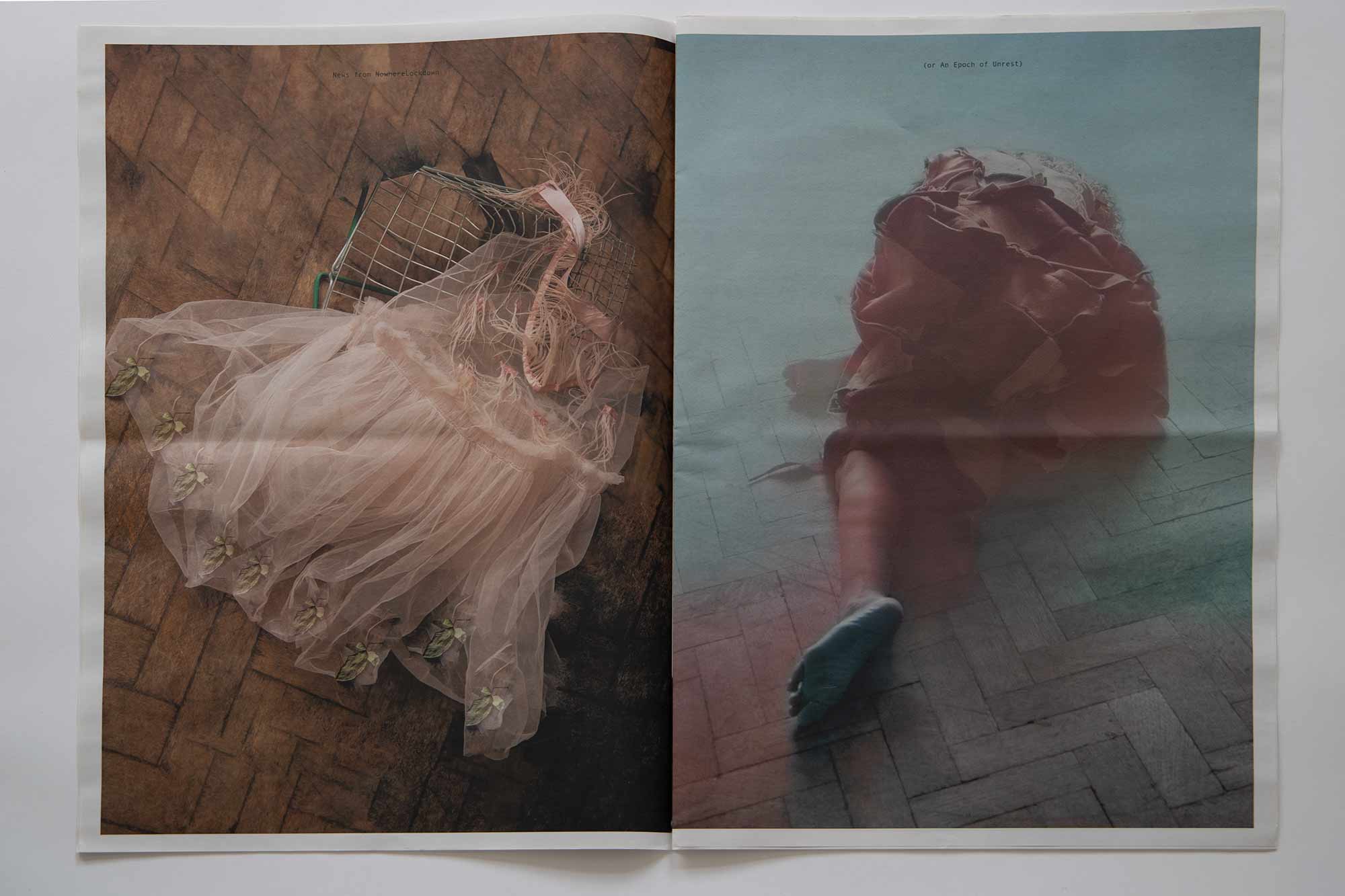
News from NowhereLockdown
(or An Epoch of Unrest
[+more]
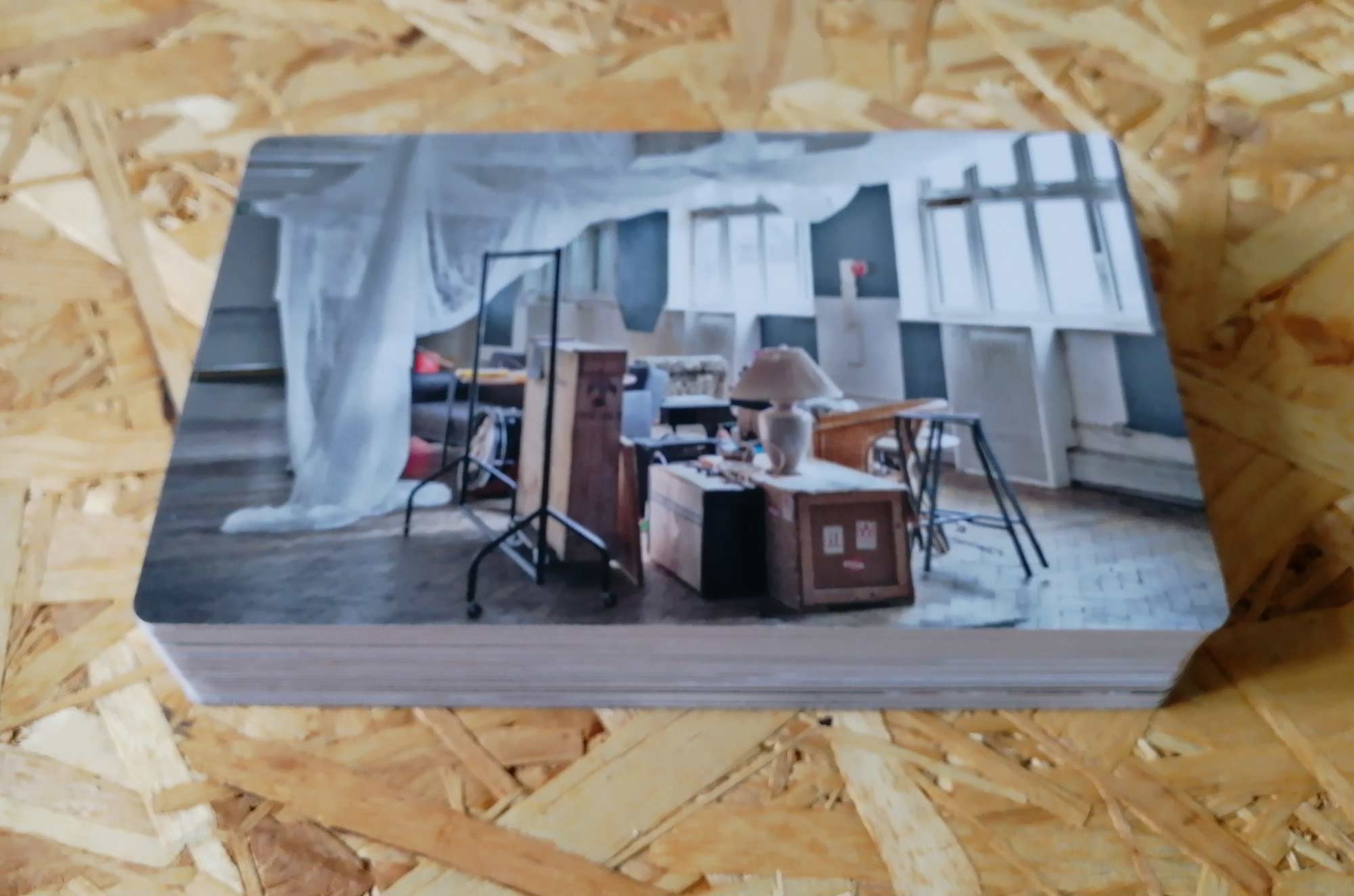
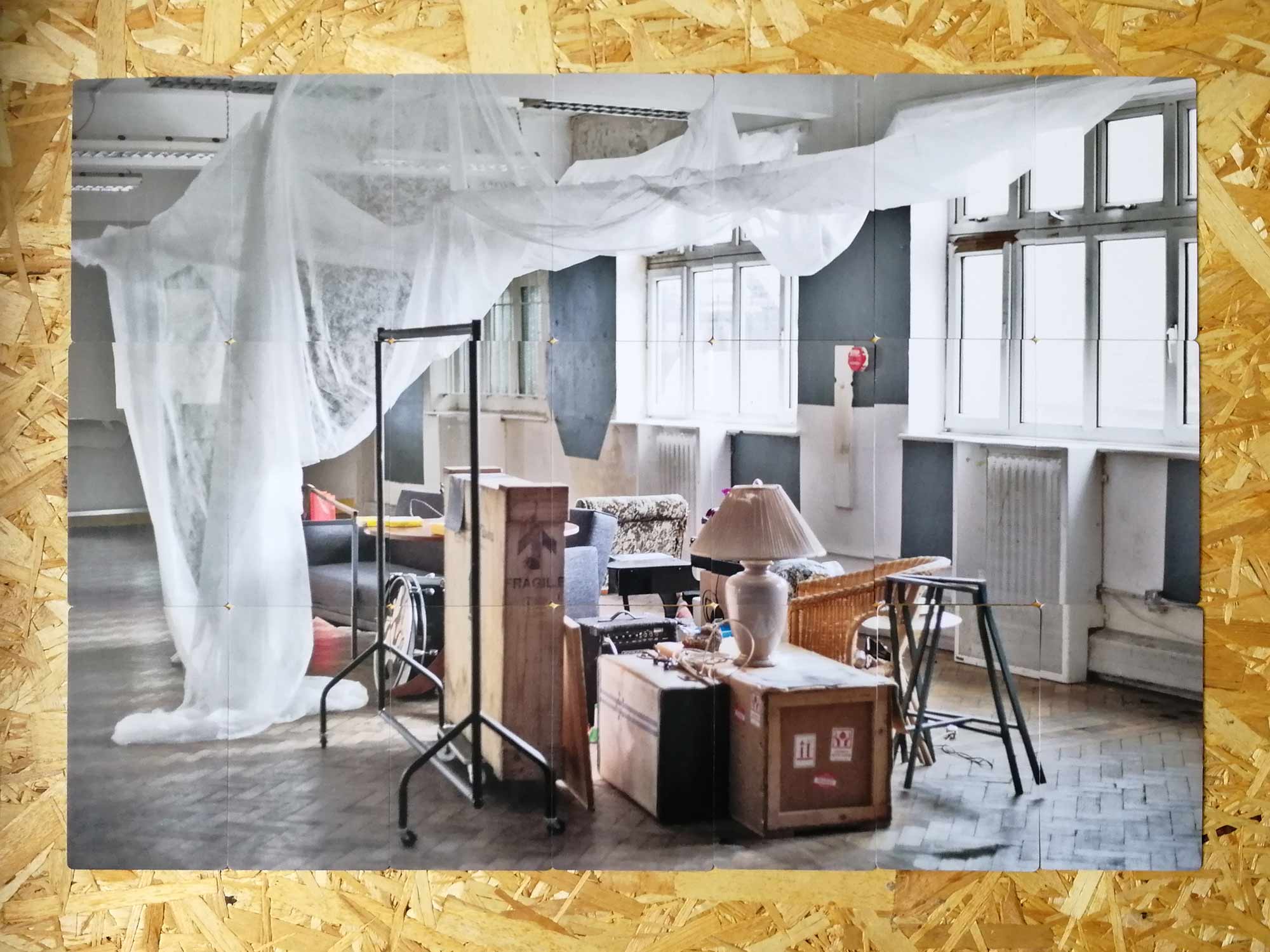
DOMENEST
21 cards for mobile strategies
of display & mediation
[+more]
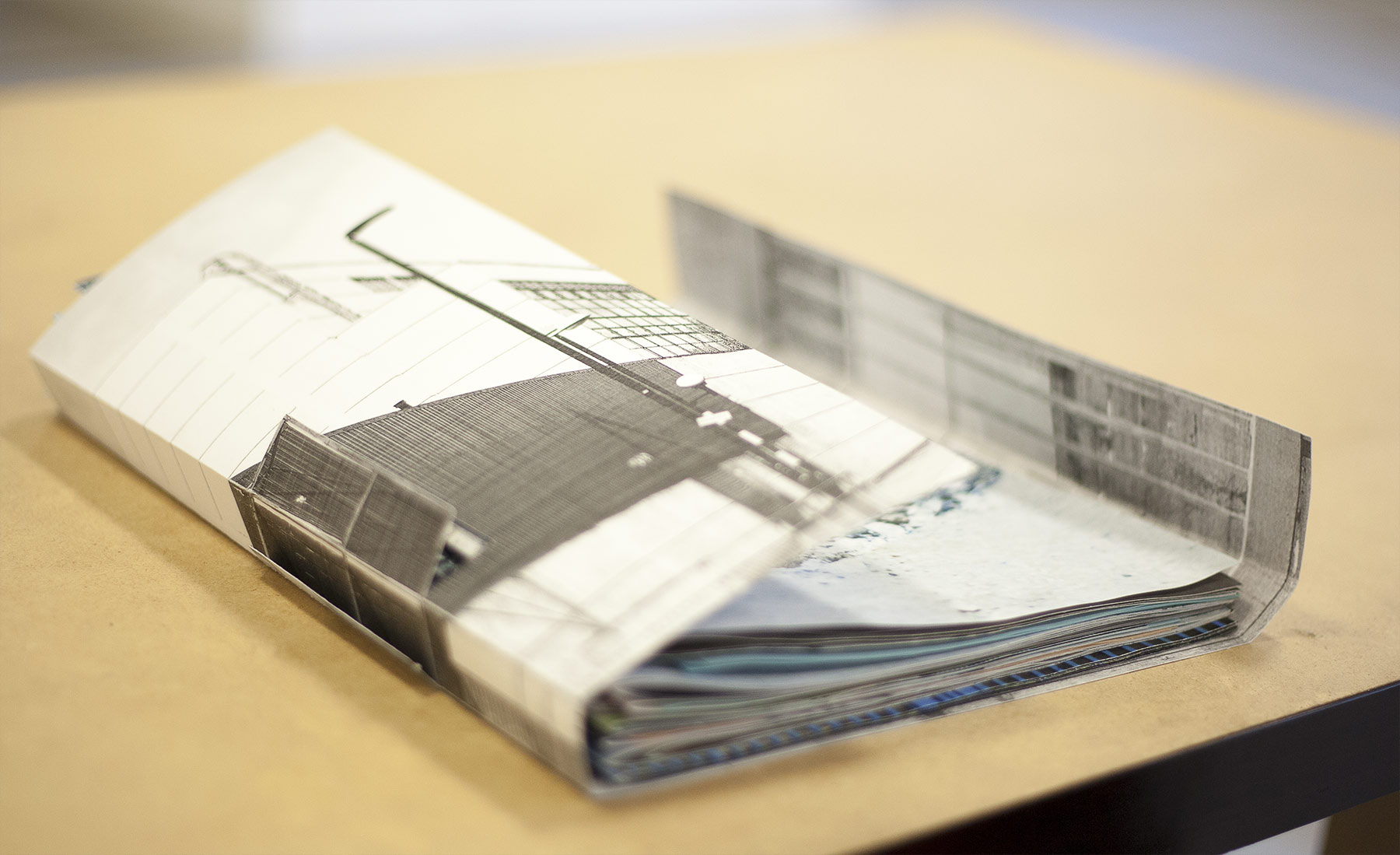
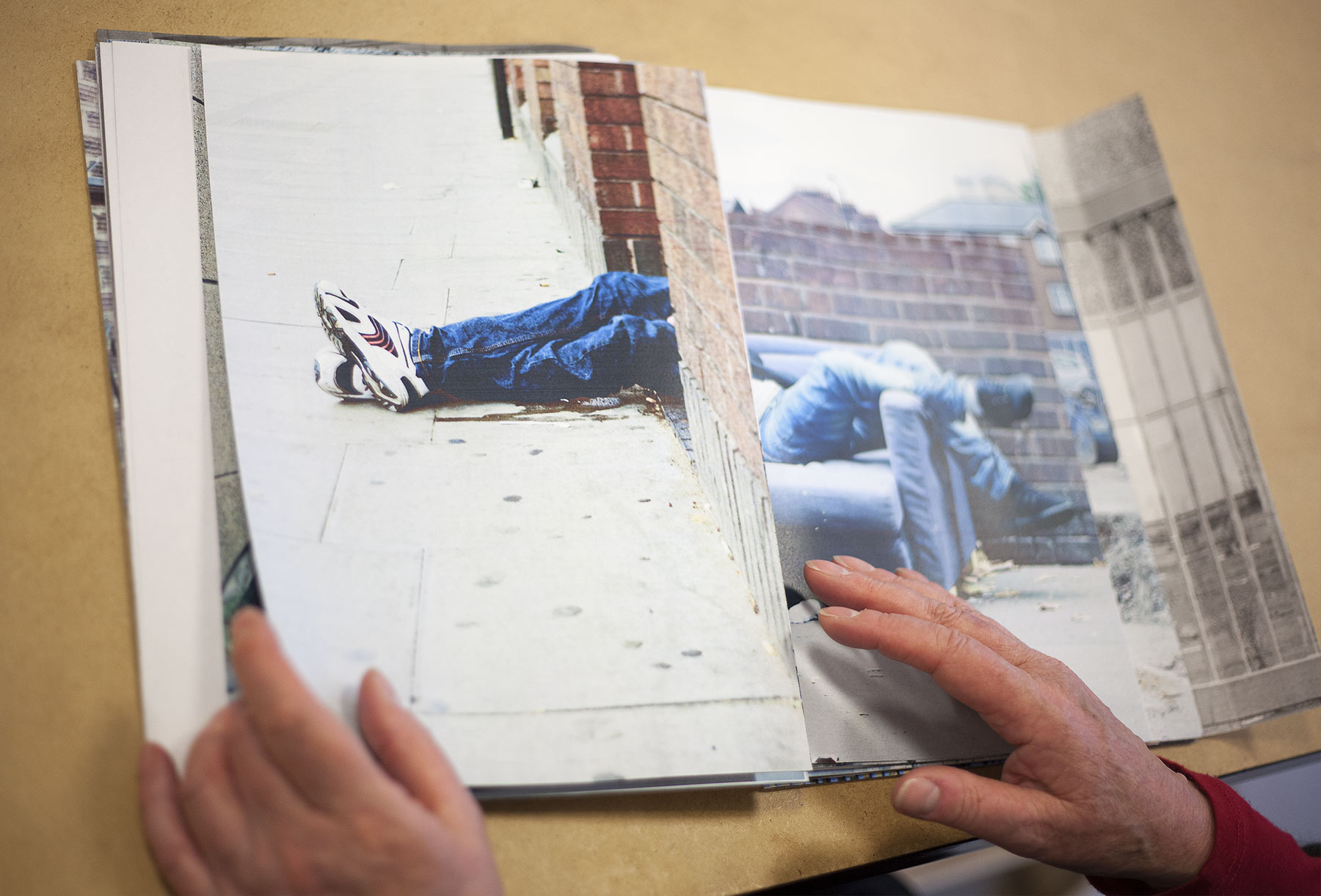
Blackchapel Woundings
[+more]
Francisco Varela: The Expanded Practice of the Artist’s Book. Immersion in The Artist’s Museum (VIDEO-ESSAY)
[+more]
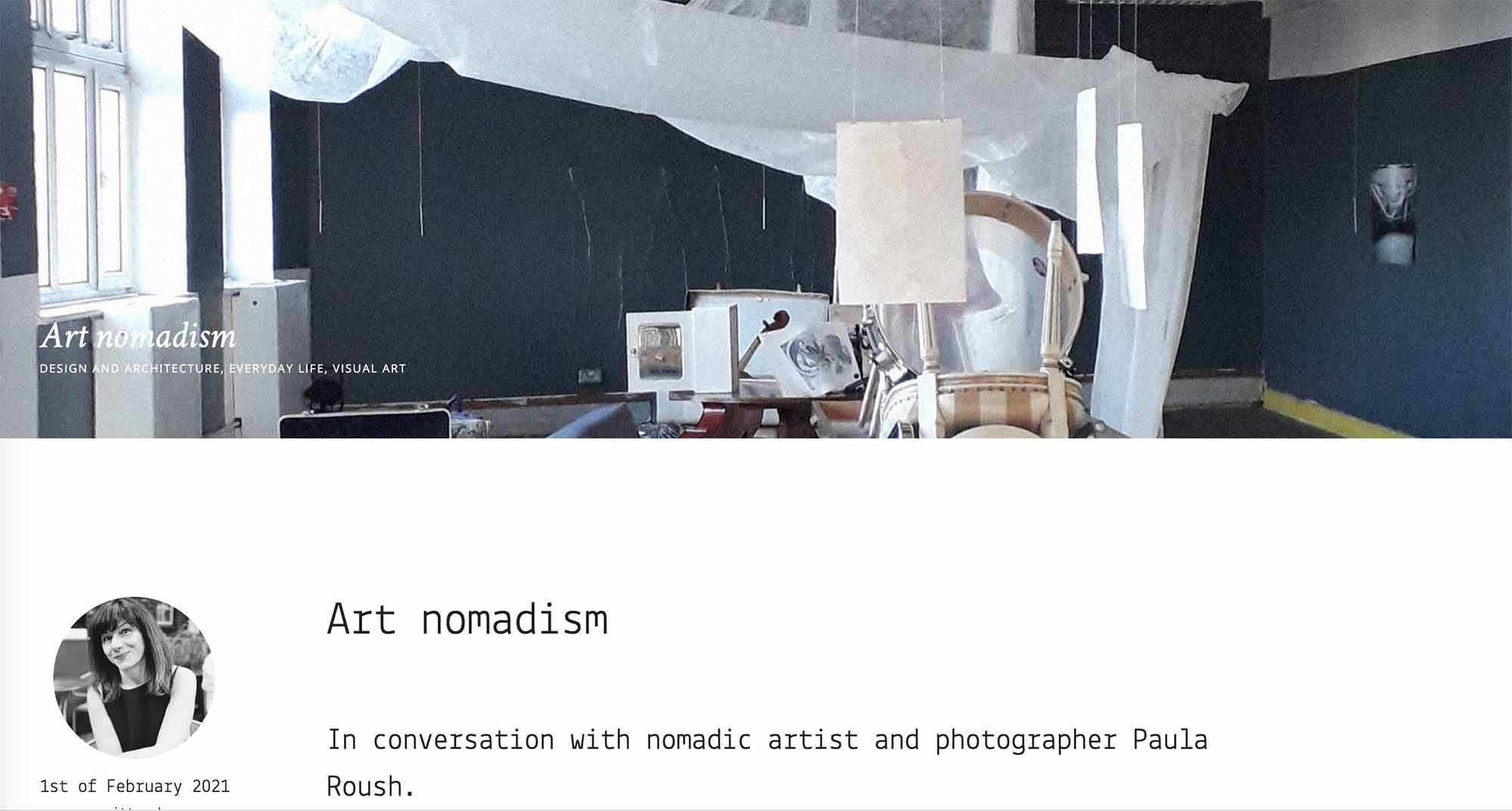
Art Nomadism
a conversation between Martina Poiana and paula roush.[+more]