
msdm manifesto
— mobile strategies of display & mediation
Editorial practice / Situated pedagogy / Publishing as method / Slowness / More-than-human mediation
The msdm manifesto articulates a set of principles that have emerged through long-term artistic, editorial, and pedagogical practice. It is not a theoretical declaration detached from experience, but a condensation of lived experiments in publishing, exhibition-making, fieldwork, and collective learning.
Written from within practice, the manifesto names ways of working that treat slowness as method, mediation as relational process, and publishing as a situated, more-than-human form of knowledge production.
From Practice to Manifesto
The manifesto grows directly from concrete projects developed through msdm, including the House–Studio–Gallery, Torn, Folded, Curled, Liquid Memories, One Green Eye, the Other Blue: Herbarium of the Anthropocene and Found Photo Foundation. Across these contexts, space is treated as collaborator, images as contingent material events, and publishing as an expanded spatial practice.
Rather than proposing new methods, the manifesto makes explicit what these projects enact: living as infrastructure, research as relation, and mediation as an ethics of care.
space as collaborator
space is not a neutral container but an active participant in the work. architectural, domestic, institutional, and outdoor spaces shape processes, decisions, rhythms, and relations. working with space means attending to its constraints, affordances, histories, and agencies, allowing it to co-produce meaning rather than merely host it.
images as contingent material events
images are not fixed representations but situated material events, shaped by technical, social, ecological, and political conditions. they emerge through coincidence, circulation, and encounter, and could always have been otherwise.
publishing as an expanded spatial practice
publishing extends beyond the book or the page into rooms, tables, walks, displays, screens, and temporal arrangements. it is a way of organising space, attention, and encounter, where editing becomes a spatial act and publication a condition for collective presence.
living as infrastructure
a recognition that life — bodies, time, affect, care — sustains systems and institutions, often invisibly. living is not supported by infrastructure alone; it is repeatedly made to function as infrastructure.
research as relation
research understood not as extraction or distance, but as a relational practice grounded in implication, responsibility, and mutual transformation.
mediation as an ethics of care
mediation as a situated ethical practice, where editing, publishing, and display involve responsibility for exposure, vulnerability, rhythm, and attention.
→ Explore msdm projects
Core Principles
Slowness as Method
Working against extractive tempos of production, msdm adopts slowness as a mode of attention, allowing images, places, and relations to unfold over time.
Publishing as Practice
Books, zines, cards, and digital formats are understood as mobile architectures — spaces where research is activated, shared, and transformed rather than concluded.
Situated Pedagogy
Learning takes place through workshops, walks, laboratories, and collective making, grounded in specific territories and contexts rather than abstract curricula.
More-than-Human Mediation
Plants, water, buildings, archives, and technologies are approached as active agents shaping knowledge, not passive materials to be represented.
The English Word for Devagar
The Portuguese term devagar resists direct translation. Rather than “slow” as a speed, it names a quality of presence — attentive, durational, and relational. Within msdm, devagar informs pedagogies of slowness that privilege care, continuity, and situated thinking over productivity and immediacy.
Slow Practices
The manifesto aligns with and contributes to broader conversations around:
Slow scholarship
Slow research
Slow publishing
Slow looking
These practices are not adopted as labels, but as lived commitments enacted through editorial processes, collaborative research, and long-term engagement with sites and communities.
Forms / Outputs
Manifesto texts
Editorial essays
Pedagogical protocols
Project-based publications
Workshops and laboratories
Digital writing (Substack)
→ Read on Substack
→ Explore msdm publications
Legacy and continuity
The msdm manifesto remains open and iterative. It is revisited, revised, and reactivated through ongoing projects, teaching, and collaborations. Rather than closing a chapter, it functions as a living editorial tool — a compass for future work.
For a situated account of how msdm inhabits and misaligns institutional infrastructures, see msdm as platform.
Navigation
→ View House–Studio–Gallery
→ View Torn, Folded, Curled
→ View Liquid Memories
→ View One Green Eye, the Other Blue: Herbarium of the Anthropocene
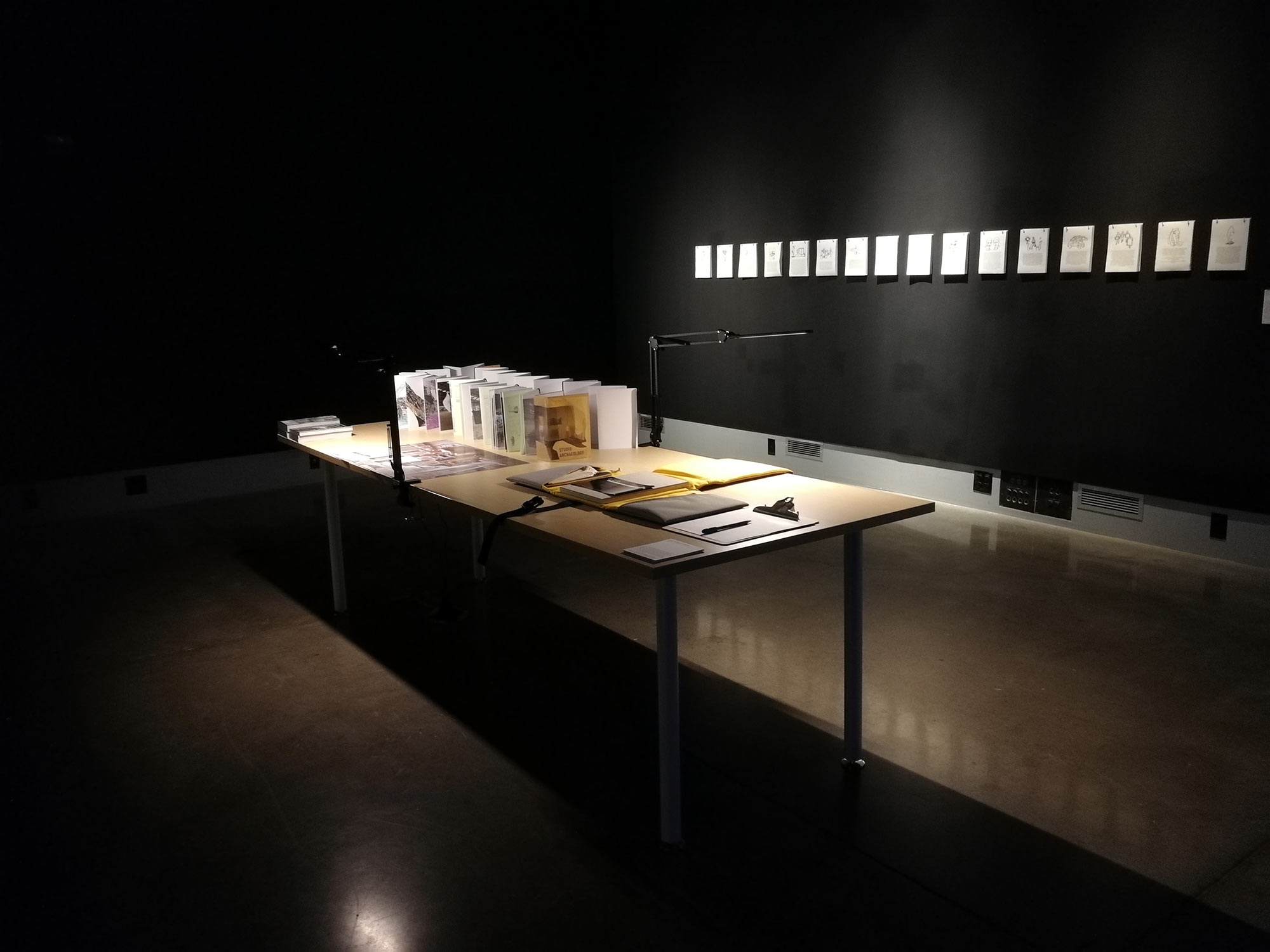
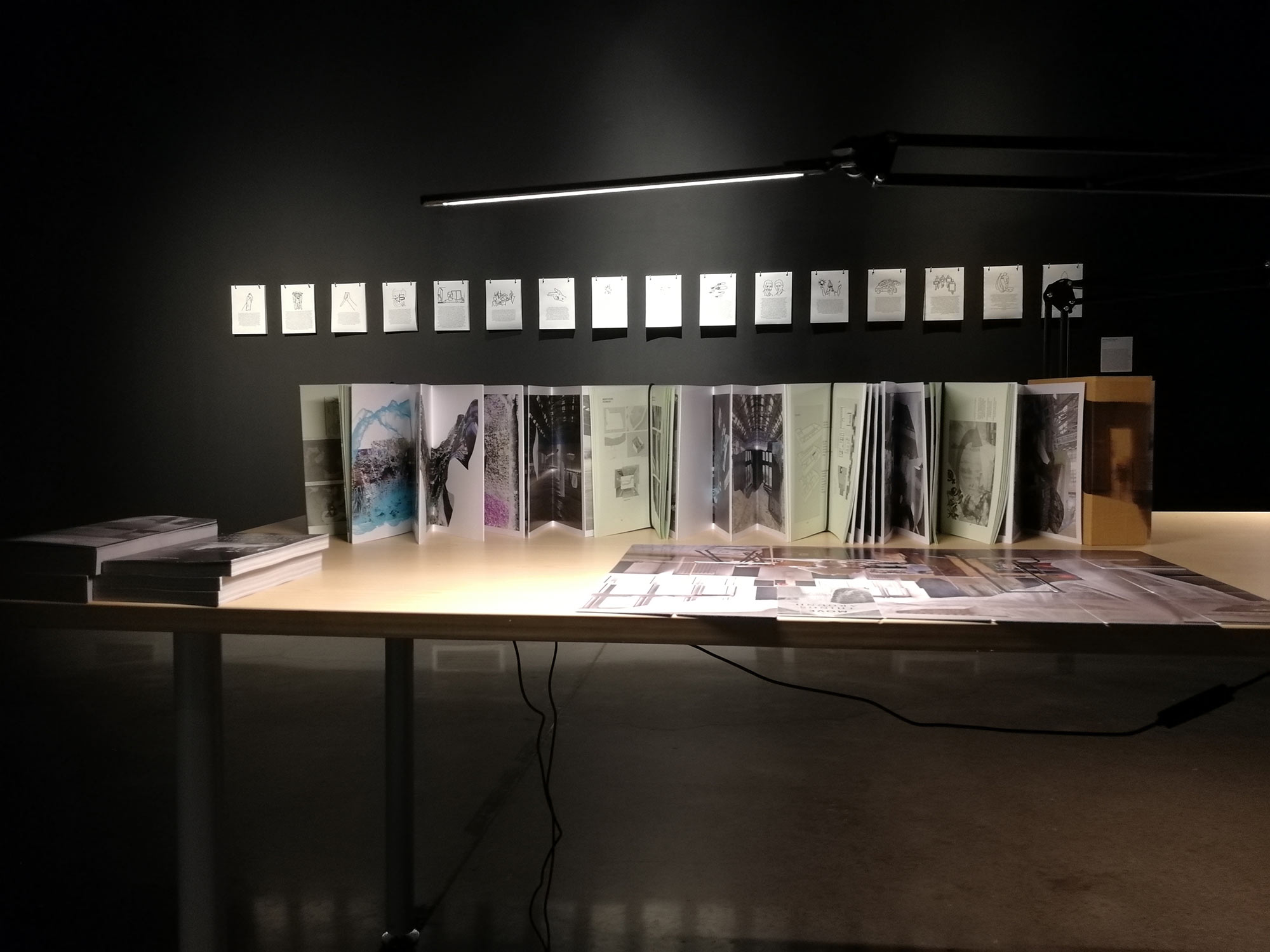
msdm house—studio—gallery: publication as installation
MUSEUMS WITHOUT WALLS conference+exhibition
Isabel Bader Centre Kingston CA
[+more]
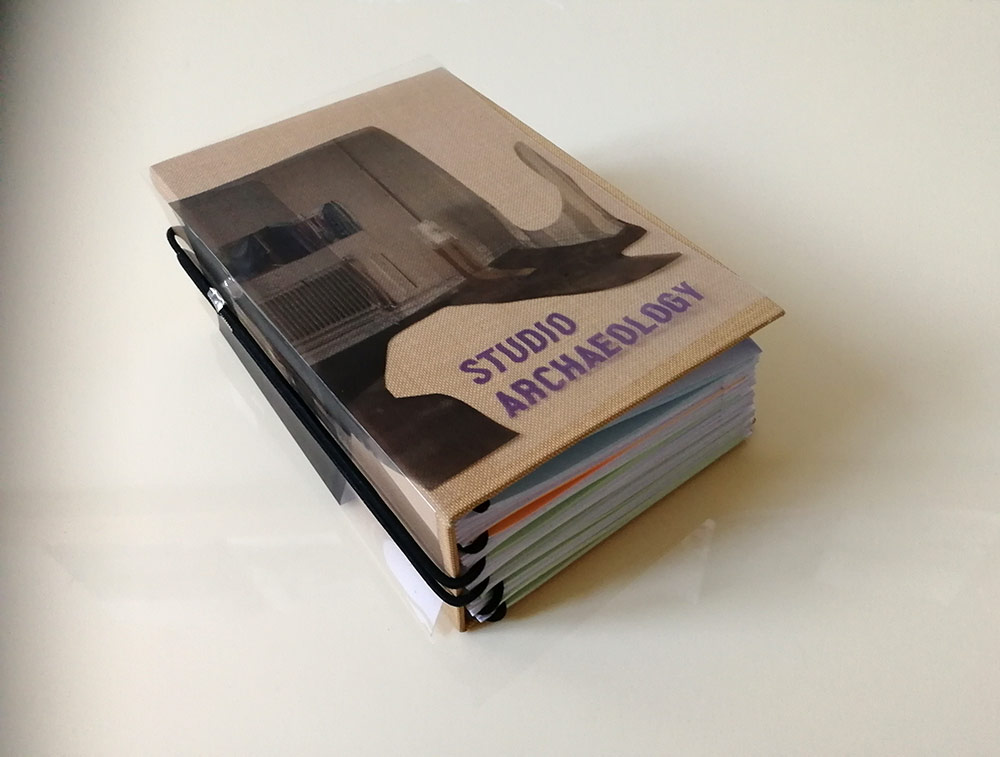
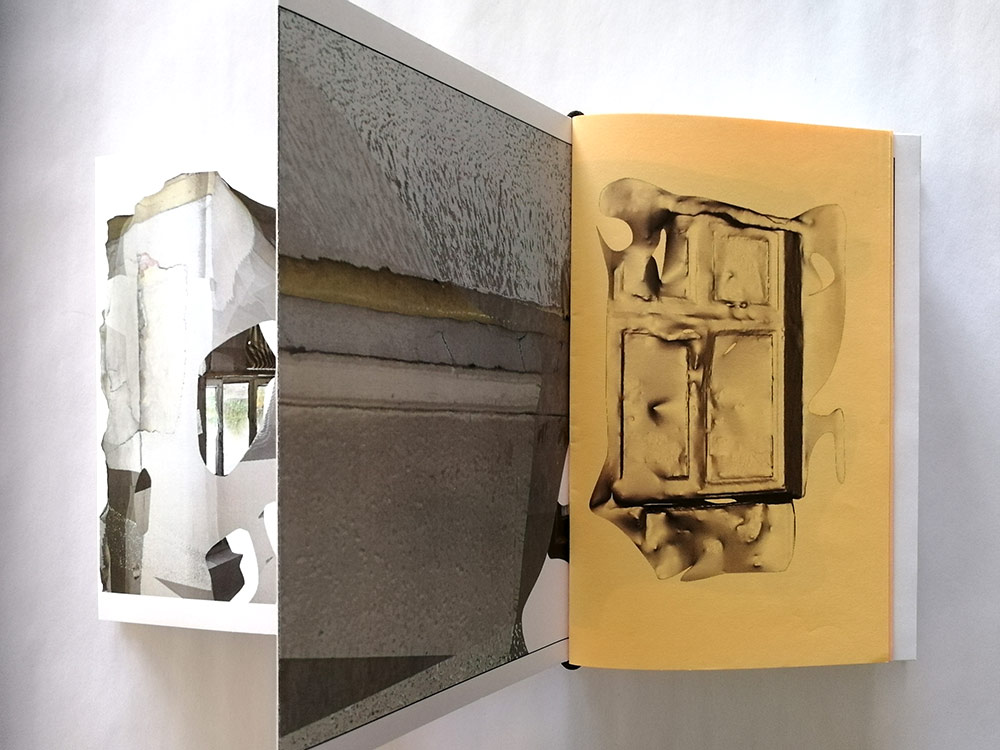
STUDIO/ ARCHAEOLOGY
[+more]
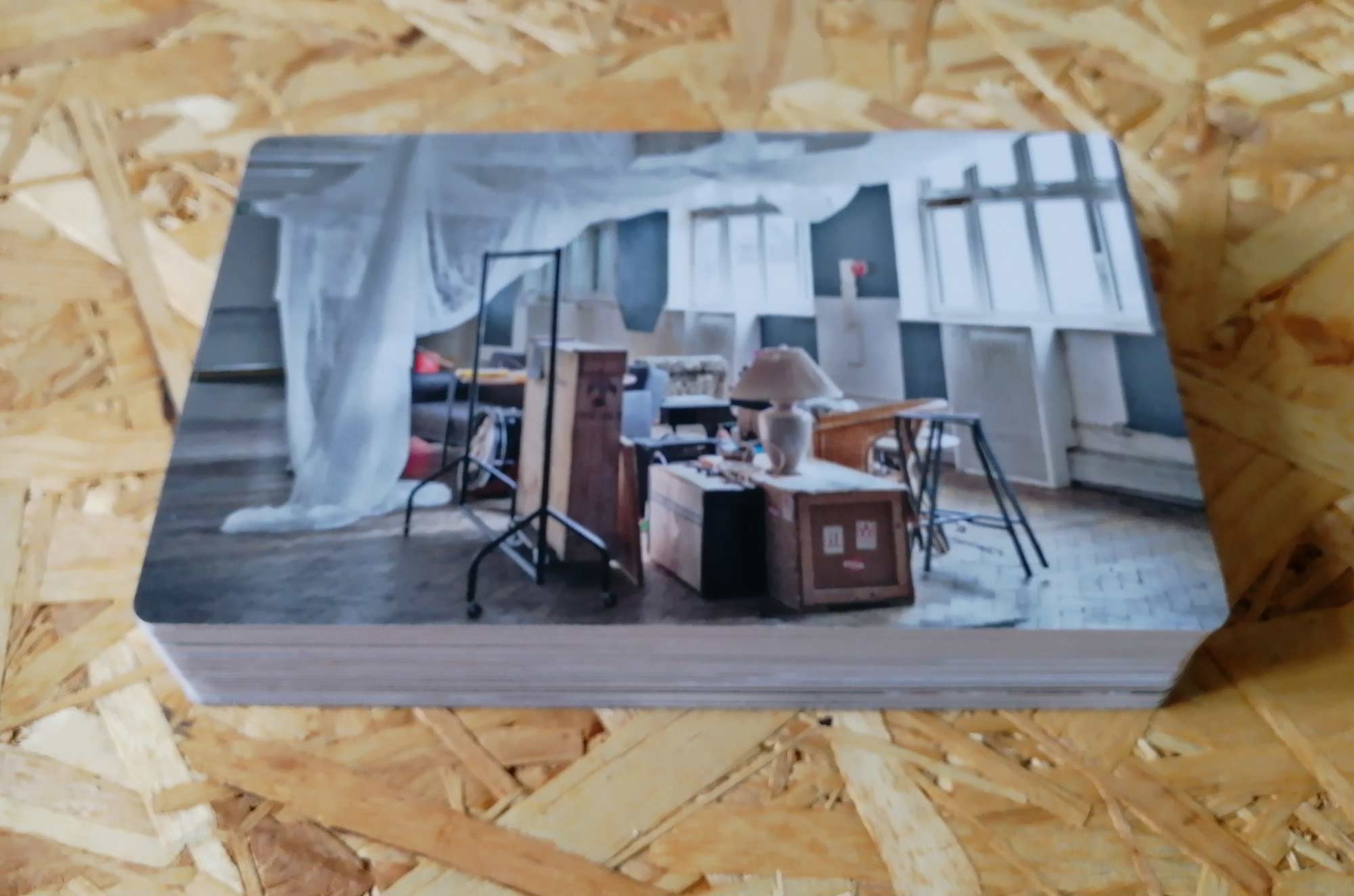
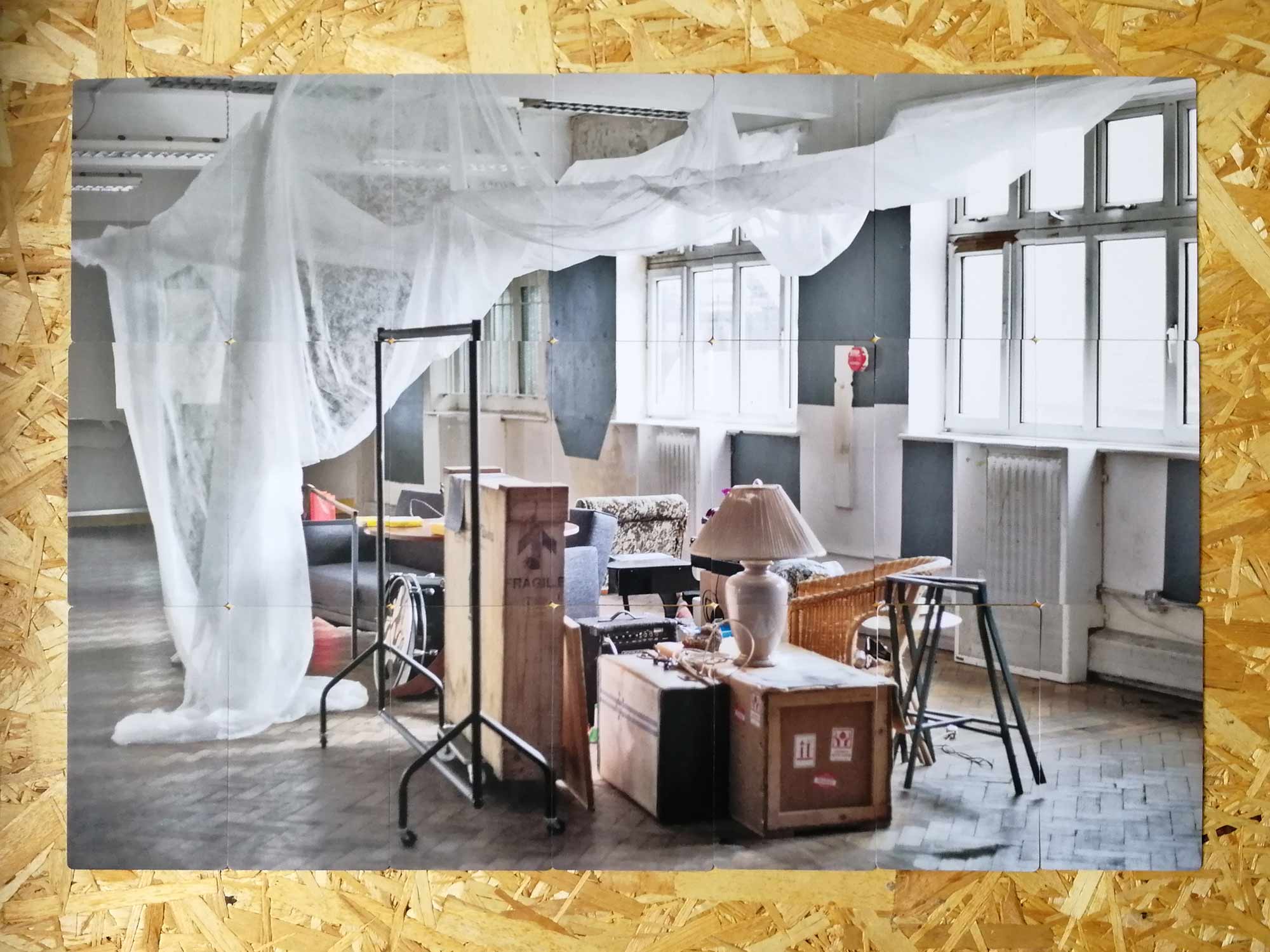
DOMENEST
21 cards for mobile strategies
of display & mediation
[+more]
Francisco Varela: The Expanded Practice of the Artist’s Book. Immersion in The Artist’s Museum (VIDEO-ESSAY)
[+more]