One Green eye, the Other Blue
— Herbarium of the Anthropocene
Mira Galeries
Campanhã, Porto (PT) / 2024–2025
Post-industrial ecologies / Botanical fieldwork / Cameraless photography / Generative images / Speculative herbarium / More-than-human archives
One Green Eye, the Other Blue — Herbarium of the Anthropocene is a multi-layered project developed through post-industrial fieldwork, botanical collection, and experimental image-making. Situated in abandoned and transforming landscapes, the project investigates plants as witnesses, agents, and collaborators within ecological and technological histories.
Combining cameraless photography, textile printing, archival research, and generative systems, the project reimagines the herbarium as a speculative and living archive. Plant specimens, industrial residues, and algorithmically generated images coexist as records of entangled material processes.
Rather than documenting nature, the project proposes image-making as a form of cohabitation — attentive to mutation, contamination, and non-linear temporalities characteristic of the Anthropocene.
Artist
paula roush
Project unfolding
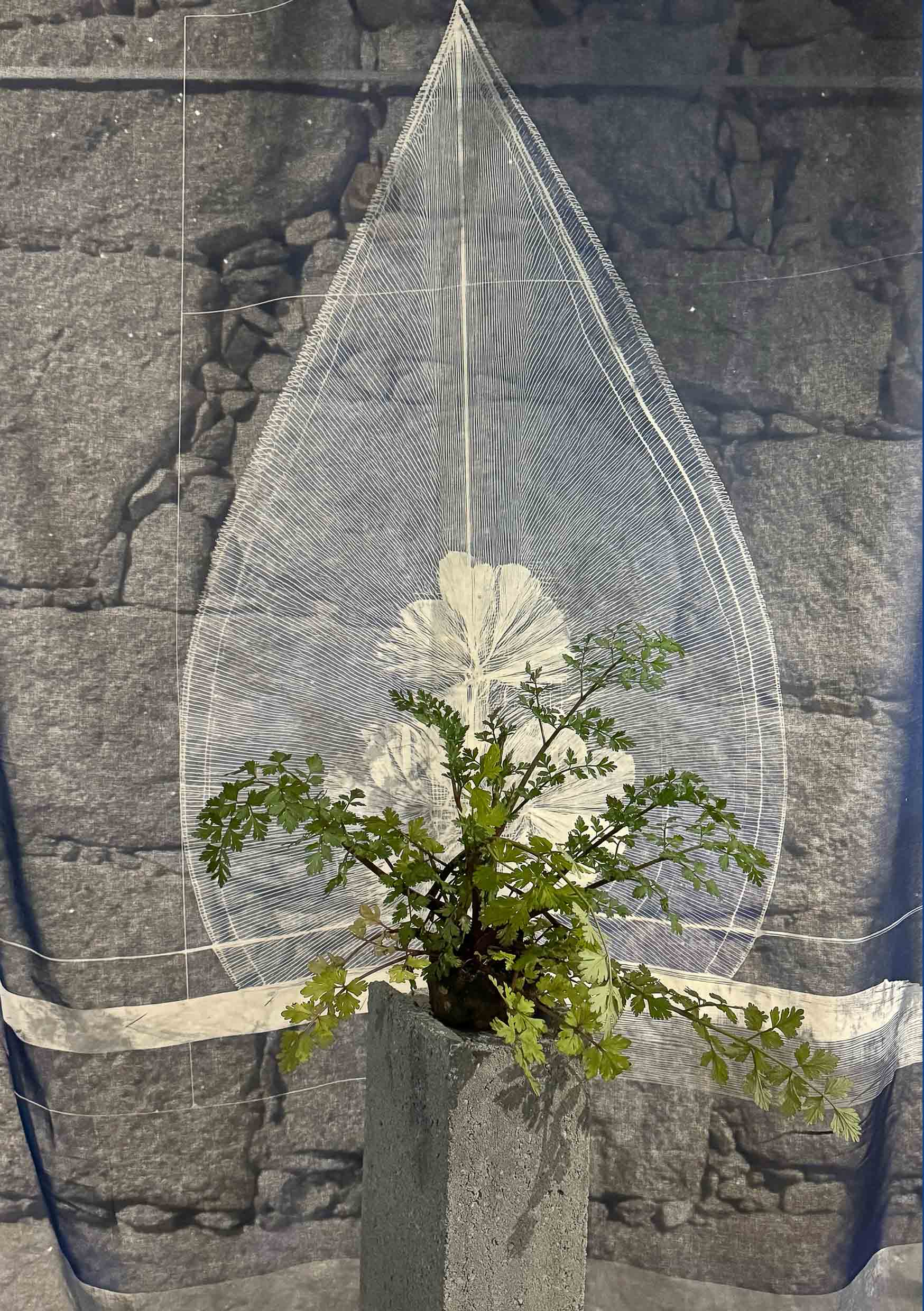
One Green Eye, the Other Blue: Herbarium of the Anthropocene was developed through an embedded, site-responsive artistic research period in Campanhã, a post-industrial area of Porto undergoing rapid transformation through real-estate speculation and infrastructural erasure. The project unfolded through sustained fieldwork in factory ruins, river-adjacent zones, archives, and domestic spaces, and culminated in an installation and publication presented at MIRA Galeries (March–May 2025).
The residency framework is territorial and infrastructural rather than institutional: Campanhã itself functions as a research site shaped by overlapping systems of energy production, textile labour, transport, extraction, and abandonment.
Research focus
The project investigates how images, plants, and bodies persist and mutate within damaged environments, asking who — and what — is allowed to inhabit spaces of transition. It addresses:
• post-industrial ruins as sites of ecological memory and labour history, rather than neutral “vacancies”;
• plants as more-than-human archivists of industrial violence, pollution, and resilience;
• the role of imaging technologies — photographic, archival, algorithmic — in producing or erasing historical narratives.
Methodology: fieldwork, archives, and image-making as research
The work unfolds through the entanglement of three research strands:
1. Post-industrial fieldwork
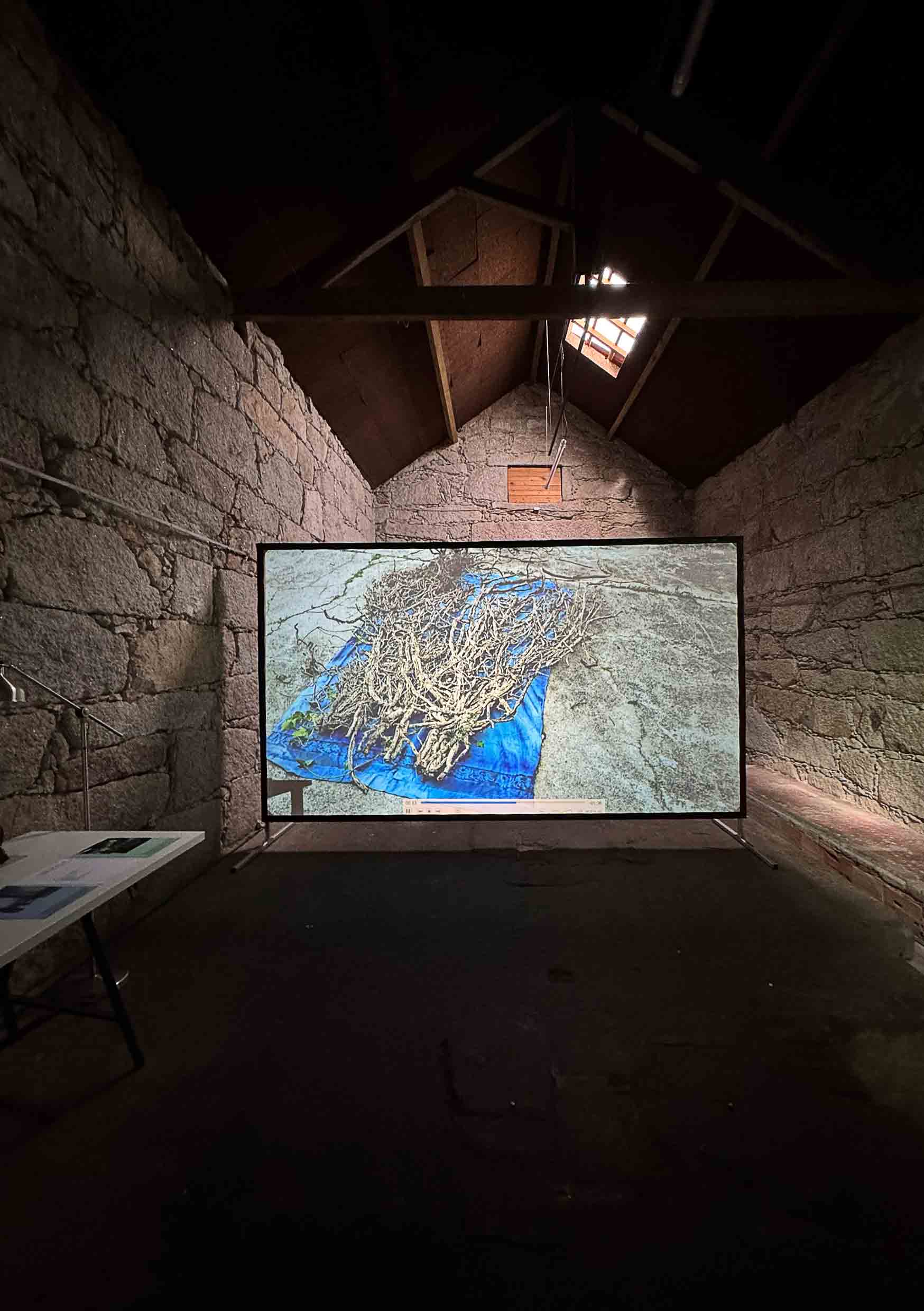
Through dérive and repeated visits, collection of plants growing in the ruins of former textile and hydroelectric factories. These vegetal materials function as living indices of environmental transformation and industrial residue.
2. Archival and para-archival research
Research extended beyond the Porto Historical Archive to include architectural plans of warehouses and power stations, university repositories, and dispersed digital archives of urban memory and industrial archaeology. These sources revealed both documented infrastructures and narrative absences produced by de-industrialisation.
3. Image-making across analog and computational regimes
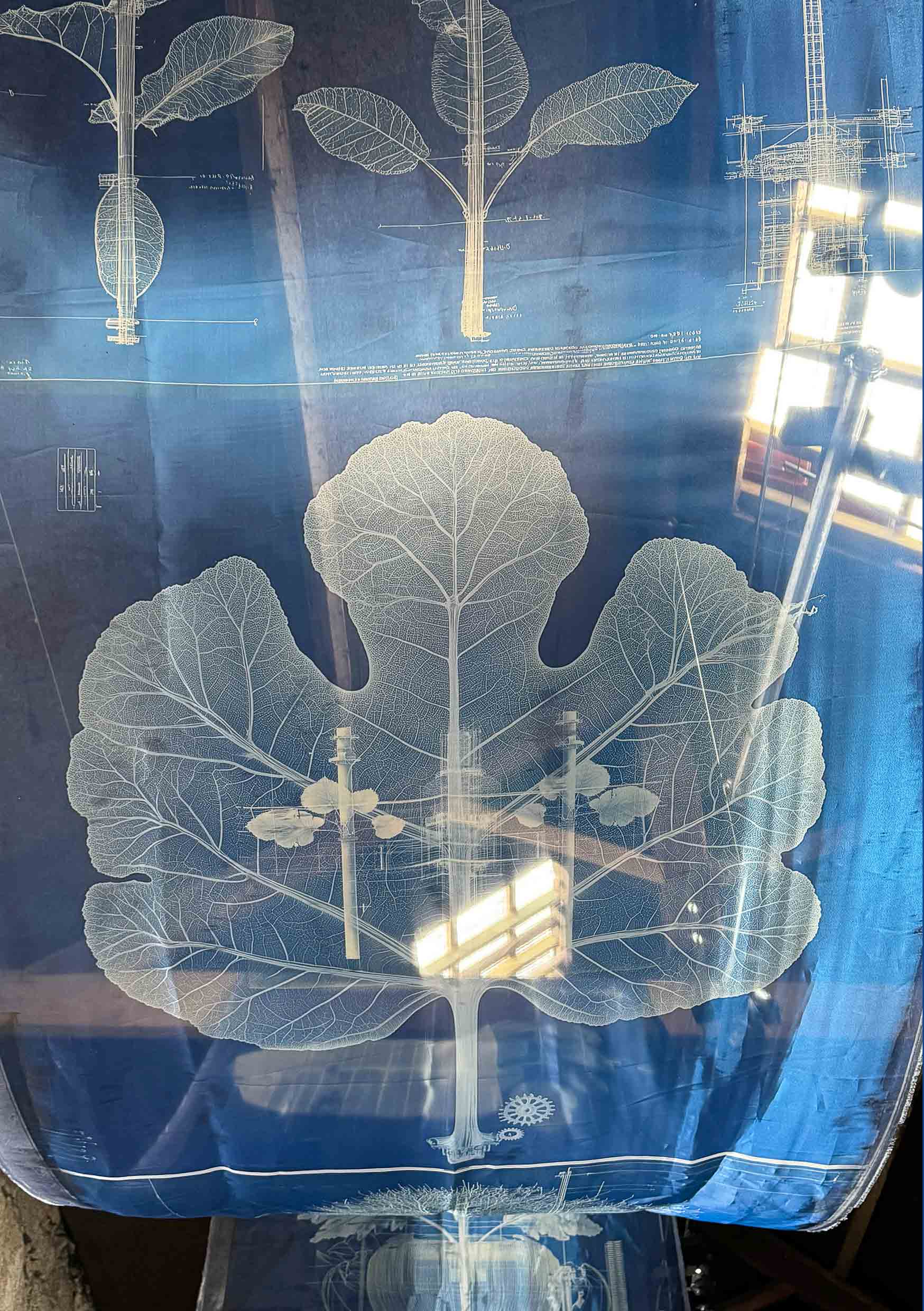
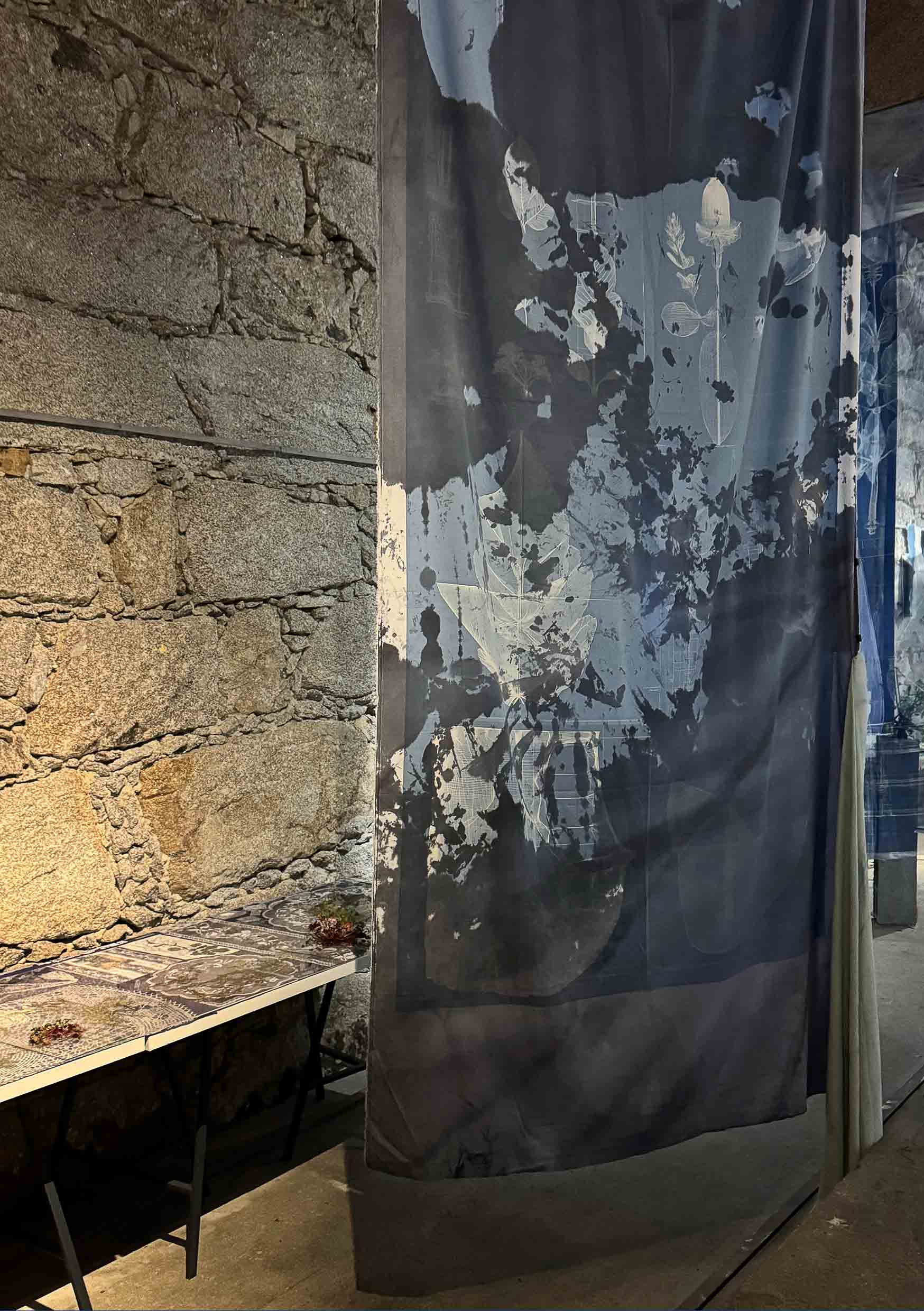
◦ Cameraless photographic processes (cyanotypes, phytograms, eco-dyeing) were used as situated research tools, where images are co-produced by light, time, chemical reactions, vegetal matter, and weather.
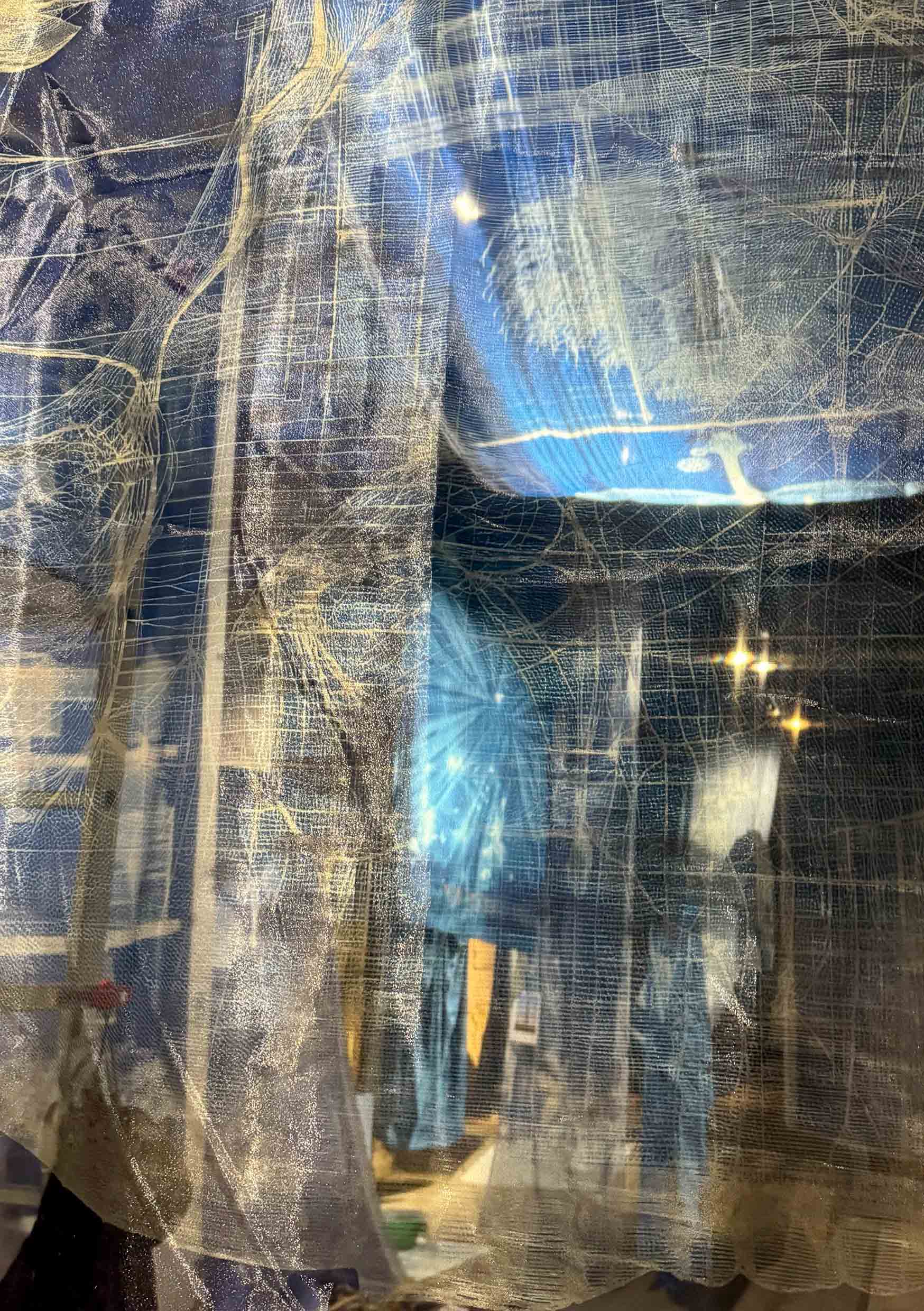
◦ Artificial intelligence was employed not as a tool of optimisation or prediction, but as a speculative apparatus. Archival photographs, architectural plans, and botanical scans were encoded into prompts to generate hybrid bio-images, exposing both the generative capacity and epistemic limits of algorithmic vision.
Production / outcomes
The project resulted in:
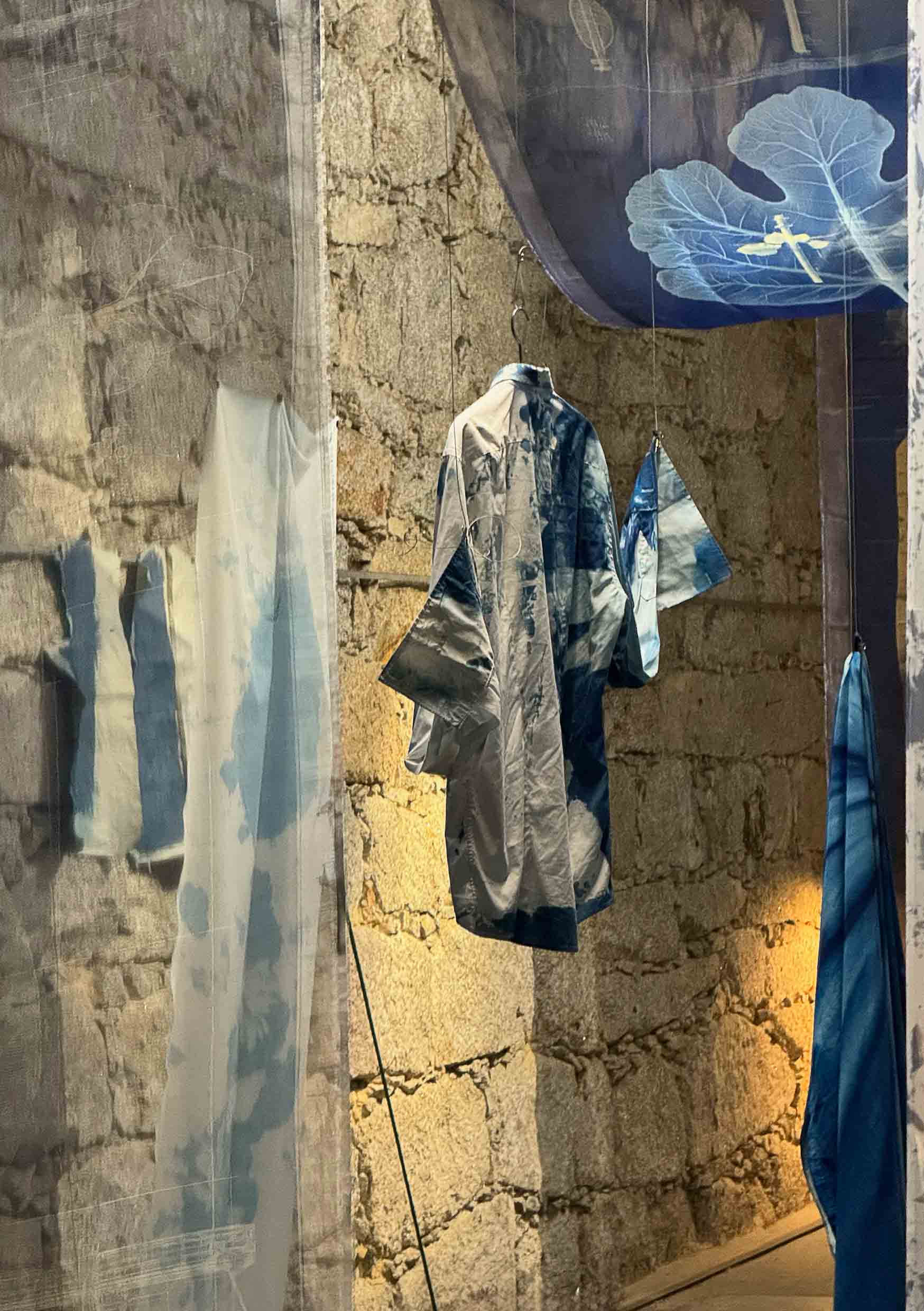
• a site-specific installation at MIRA Galeries combining cyanotypes, phytograms, eco-dyed textiles, AI-generated images, archival materials, and domestic display structures;
• a 344-page publication, One Green Eye, the Other Blue: Herbarium of the Anthropocene (msdm publications, 2025), conceived as a pocket-sized speculative herbarium composed of images, texts, and processual fragments;
• a growing visual archive that remains open to future iterations and sites.
The book functions not as documentation but as a sensitive reading device, mapping a technobiography in dialogue with more-than-human ecosystems
From Practice to Manifesto
One Green Eye, the Other Blue — Herbarium of the Anthropocene constitutes a key site in which the principles articulated in the msdm manifesto are materially tested through ecological fieldwork and editorial practice.
Working with plants, ruins, and generative systems as collaborators rather than subjects, the project enacts slowness as method, publishing as process, and mediation as a relational practice shaped by more-than-human agencies.
The herbarium here operates not as a classificatory tool, but as a speculative editorial form — one that holds contamination, mutation, and partial knowledge without resolving them. These approaches continue to inform msdm’s contemporary pedagogies of slowness, its editorial methodologies, and its commitment to situated, more-than-human mediation across projects.
→ Read the msdm manifesto
Selected Exhibition
One Green Eye, the Other Blue: Herbarium of the Anthropocene
MIRA Galerias, Campanhã, Porto
March 8 – May 3, 2025
Andamentos no Espaço e no Tempo,
MiraForum Gallery, Campanhã, Porto, September 2025
Isto não é um Herbário!
Alberg’art Gallery, Porto, September 2025
Selected Publication
One Green Eye, the Other Blue: Herbarium of the Anthropocene
Monograph, msdm publications, 2025
The book functions not as documentation but as a sensitive reading device, mapping a technobiography in dialogue with more-than-human ecosystems — an approach that resonates with msdm’s broader editorial and pedagogical framework.
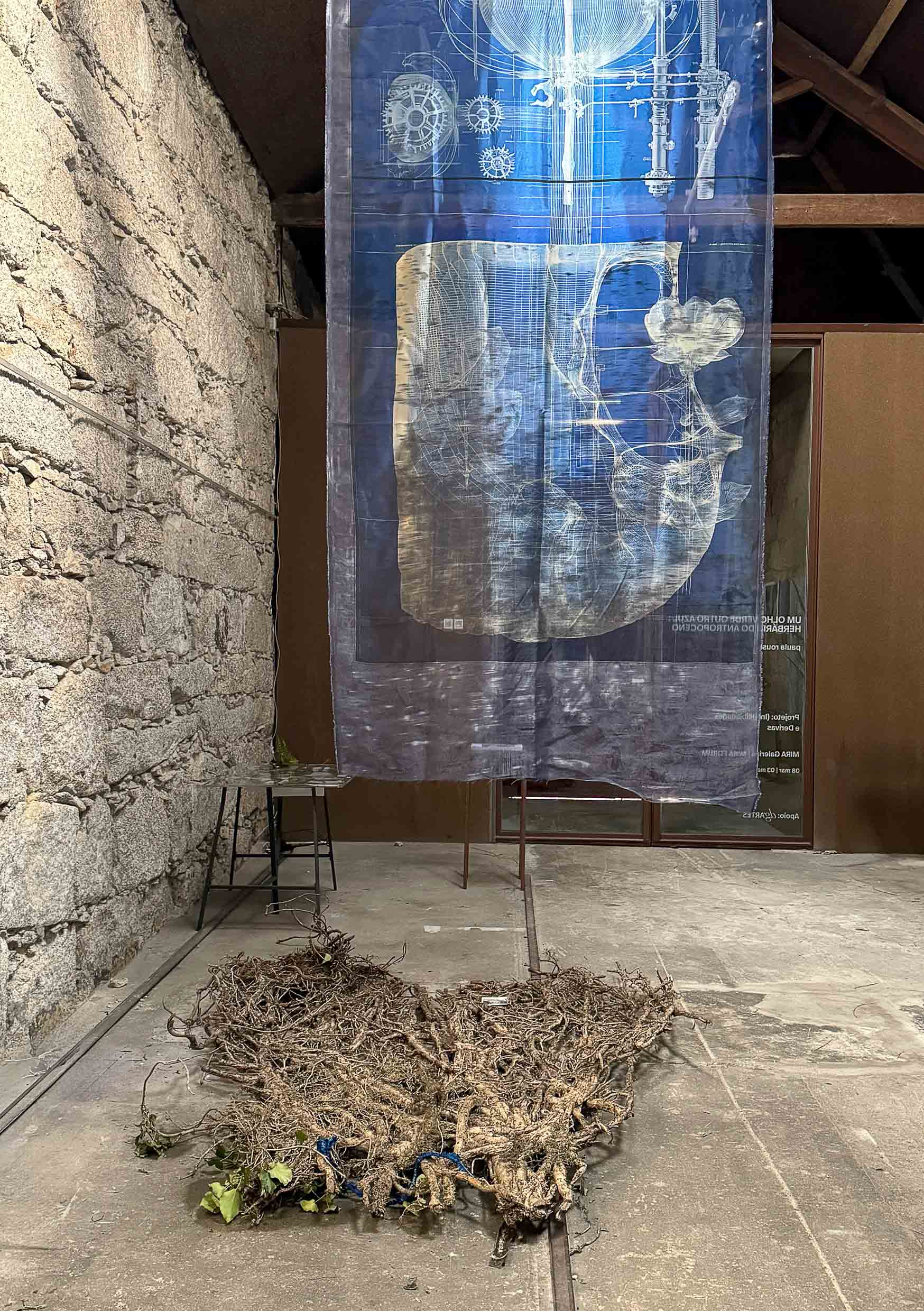
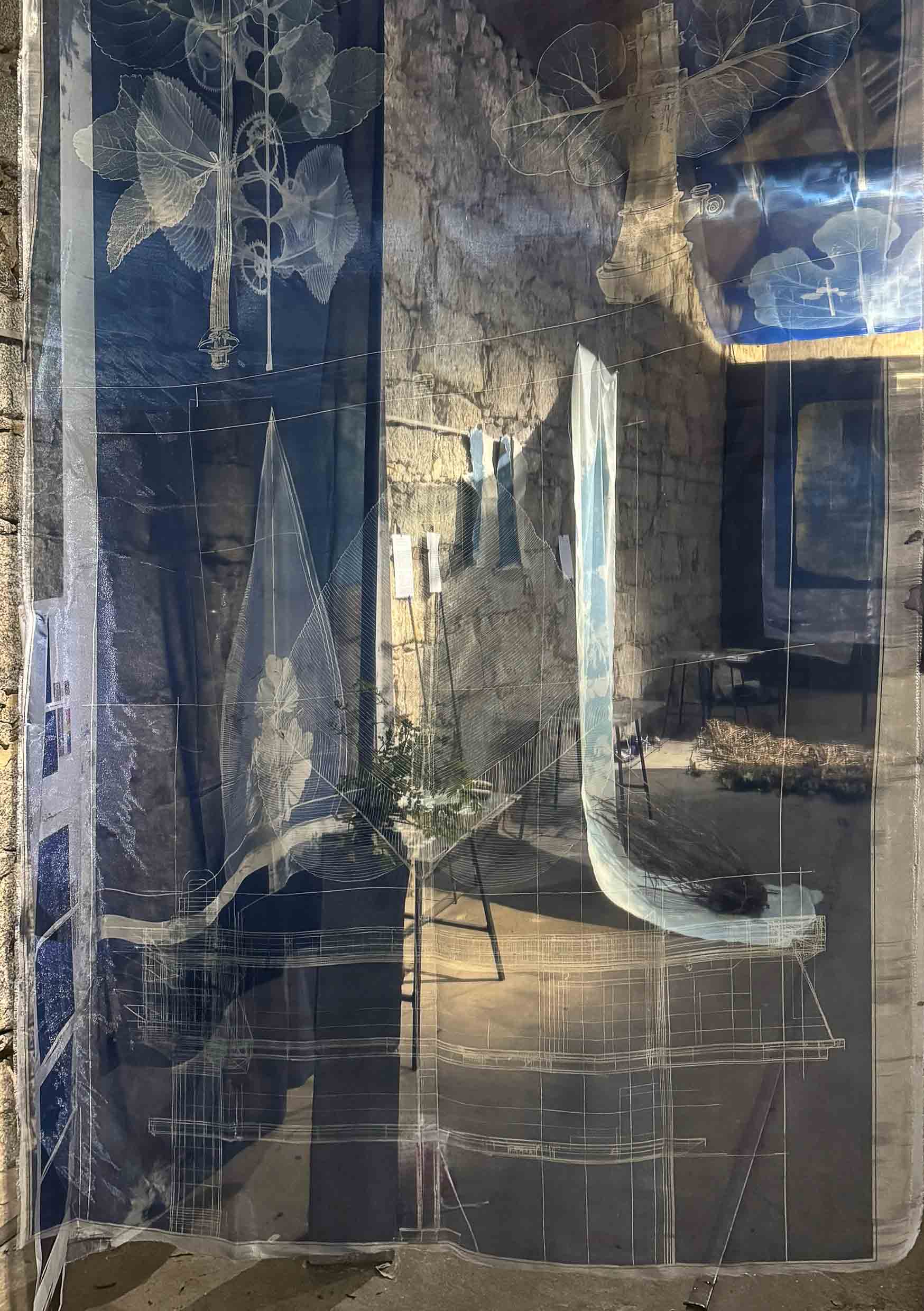
One Green Eye, the Other Blue: Herbarium of the Anthropocene
MIRA Galerias, Campanhã Porto, March 8- May 3, 2025
[more]
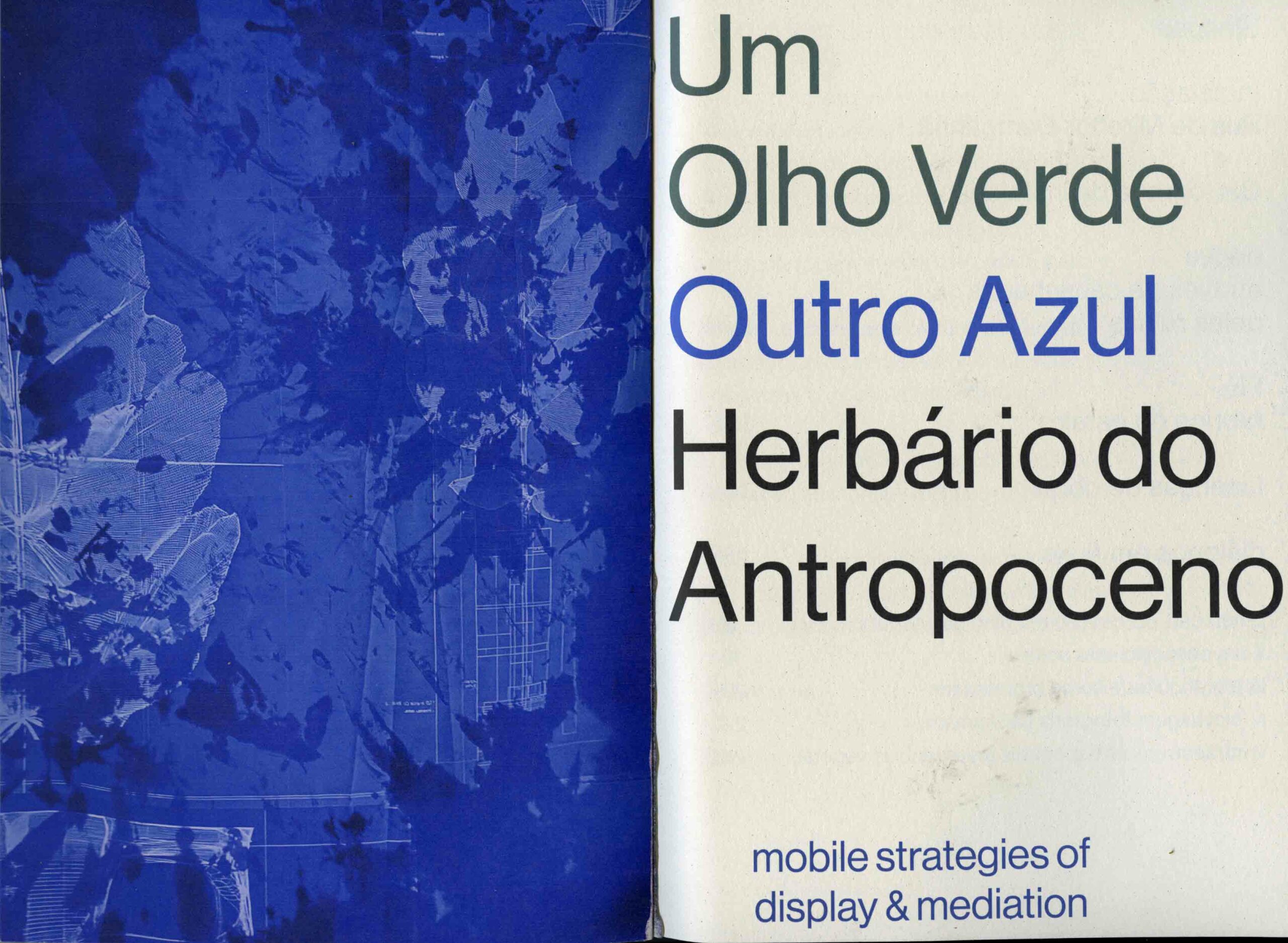
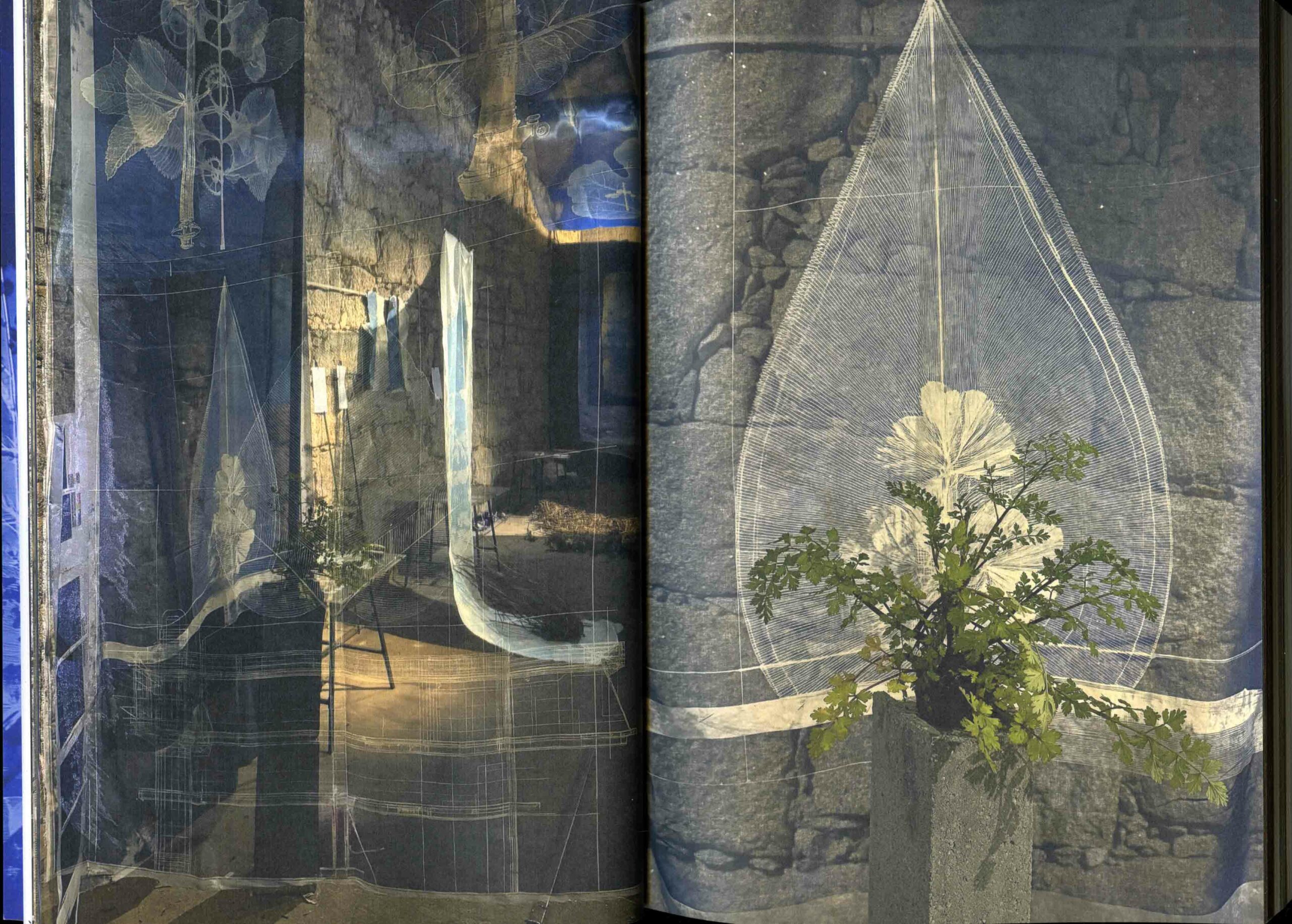
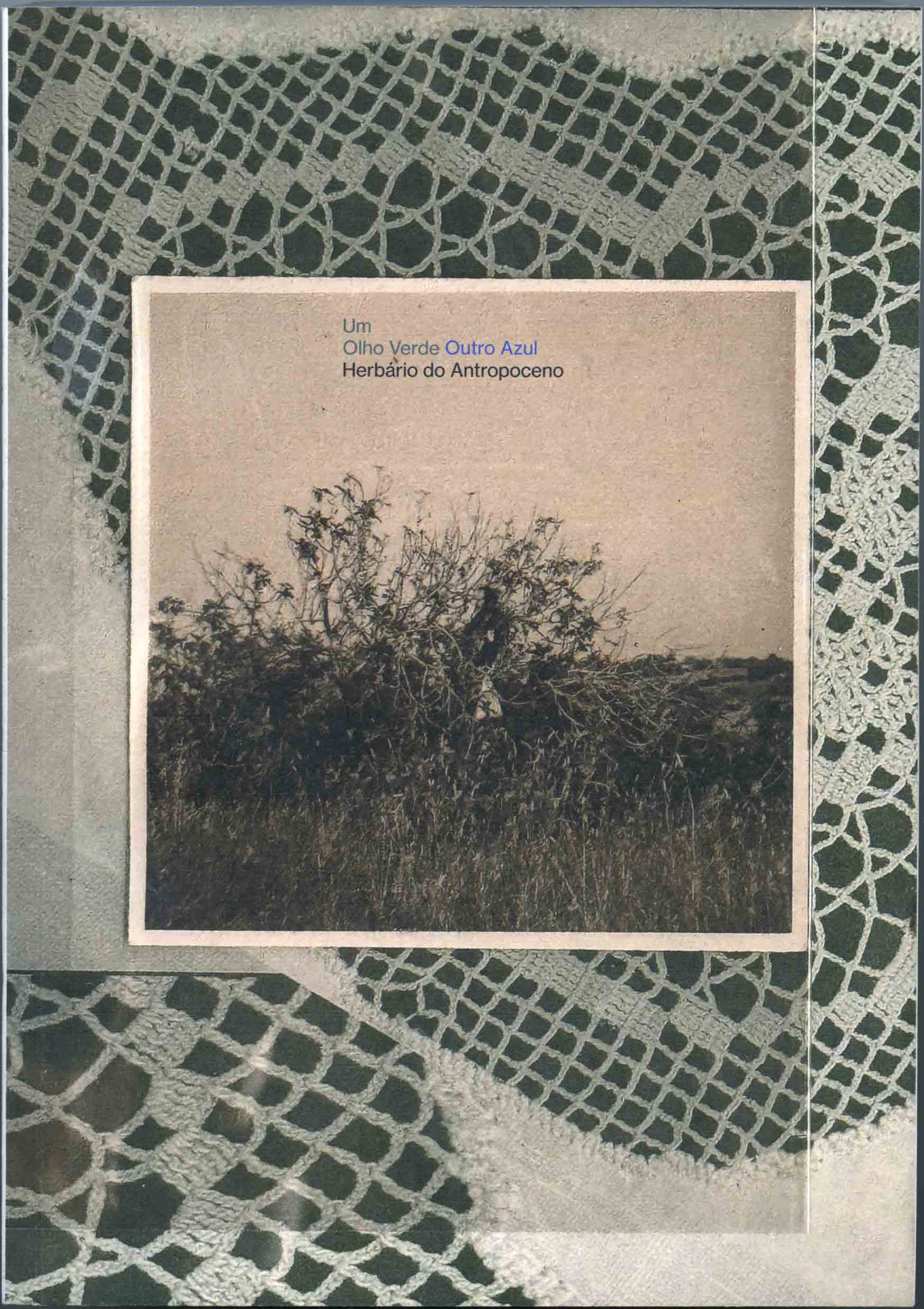
ONE GREEN EYE THE OTHER BLUE: HERBARIUM OF THE ANTHROPOCENE
monograph, published by: msdm publications
[+more]