
Selected Works & Critical Review
Swapnil Patil: Floating Fallacy & The Empty Spaces
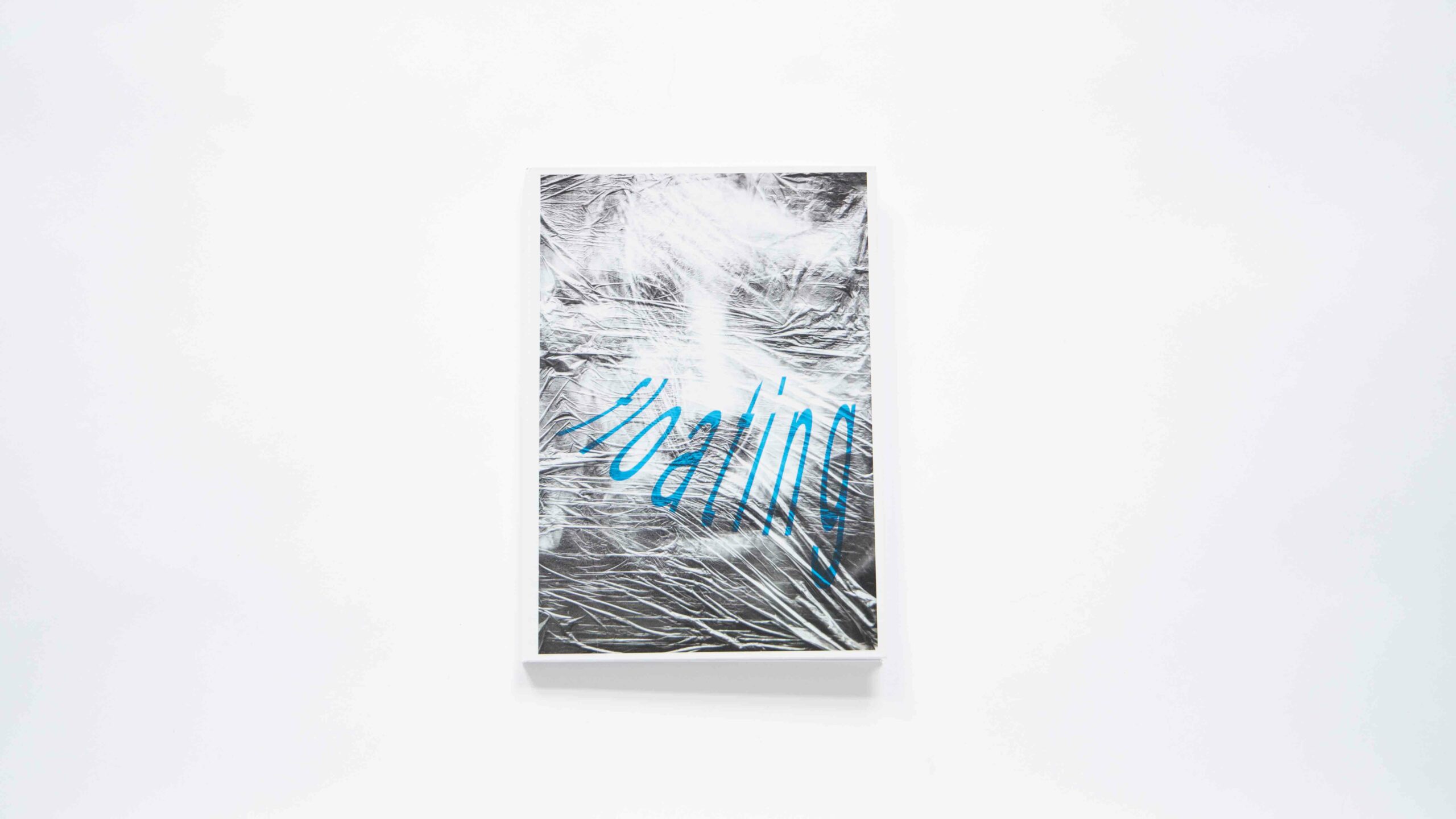
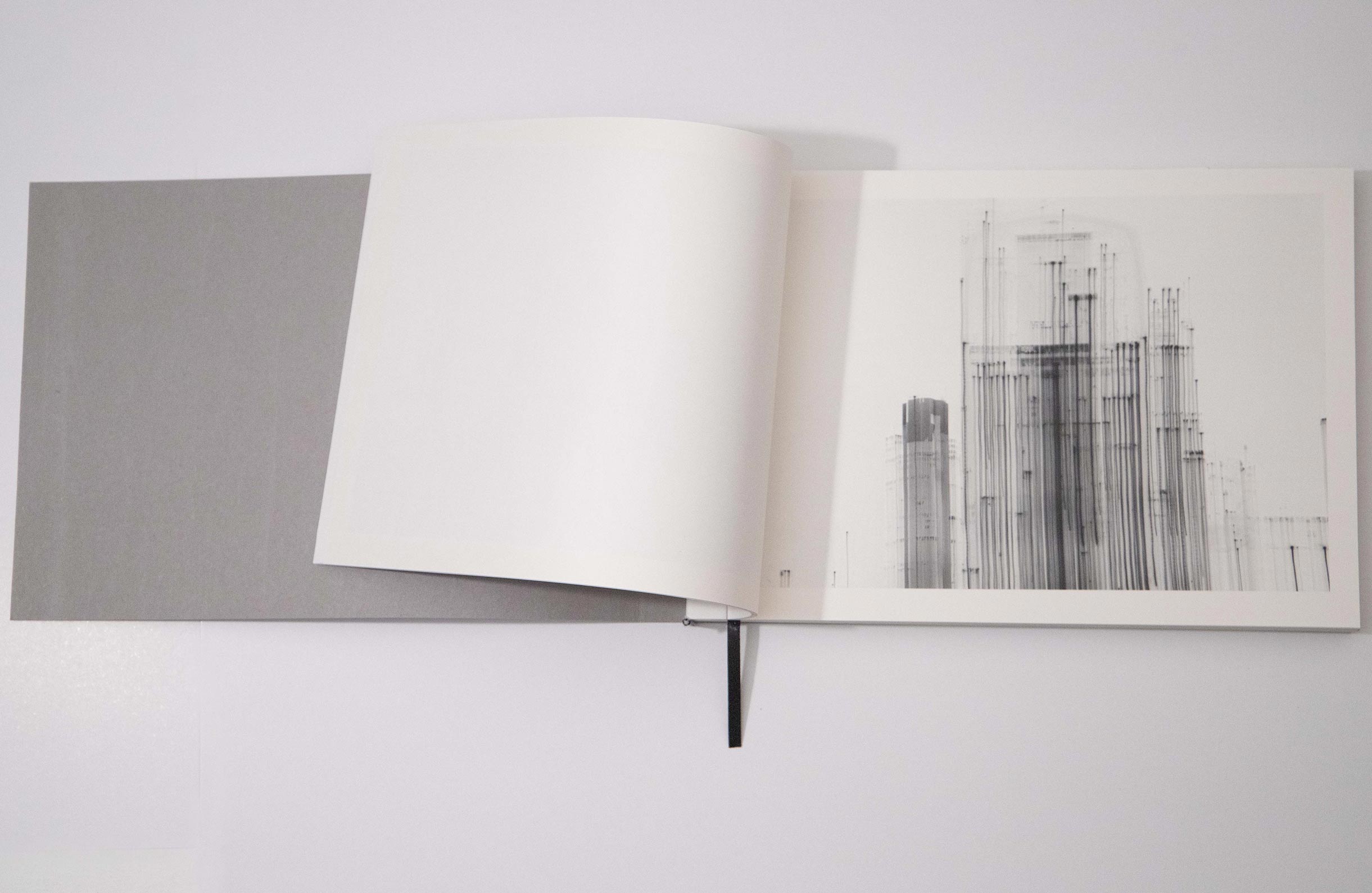
This text reflects an ongoing collaboration between Swapnil Patil and msdm (mobile strategies of display & mediation), developed through editorial, curatorial, and research-led exchange. It brings together two key bodies of work — the photobook Floating Fallacy (msdm publications, 2022) and the spatial series and photobook The Empty Spaces (msdm publications, 2023)— situating them within a broader field of ecological and spatial image practices.
Rather than treating photography as a discrete medium, this collaboration positions image-making as a process that unfolds across publication, site, and perception.
Context
Developed within msdm’s publishing framework, Floating Fallacy emerged through a collaborative editorial process that extended beyond sequencing into conceptual structuring. The book operates simultaneously as a visual work and a research device.
The Empty Spaces extends this practice into the urban environment, using long exposure and camera movement to investigate how space is experienced, altered, and reconfigured over time.
Together, these projects form a coherent practice grounded in the relationship between image, environment, and temporal perception.
Critical Review
Working in close dialogue with these projects, what becomes evident is a practice defined by sustained attention rather than visual assertion. Swapnil Patil’s work does not resolve the tension between abstraction and documentation; instead, it maintains it as a productive condition.
In Floating Fallacy, water is not presented as a stable subject. It resists legibility. Surfaces shift between reflection and opacity, horizon lines dissolve, and scale becomes uncertain. The image does not offer orientation; it withdraws it. This is a key move. It displaces photography from representation towards a material engagement with environmental conditions.
The integration of environmental data does not function as explanatory support. Instead, it operates in parallel, creating a subtle disjunction between what is visible and what is measurable. This approach resonates with Rob Nixon’s notion of “slow violence,” where environmental damage accumulates beyond immediate perception. Patil does not attempt to illustrate this directly. Rather, the work creates the conditions through which it can be apprehended.
With The Empty Spaces, the focus shifts to the built environment, but the underlying logic remains. Developed during a period of altered urban rhythms, the series approaches the city not as empty, but as temporarily reconfigured. Absence becomes a method of revealing structure.
Through long exposure and controlled camera movement — articulated through Patil’s Inverse Chrono-Spatial Axis Shift (ICSAS) — light becomes the primary material. Architecture loosens. Forms stretch, dissolve, and register time rather than stability.
Here, the work aligns with Tim Ingold’s understanding of space as something continuously produced through movement. These are not images of space; they are images from within it. What emerges are traces — accumulations of light, shifts in density, and temporal distortions — that make perceptual processes visible.
Across both projects, the image operates as a condensation of time. Multiple moments are layered within a single frame, producing a density that resists immediate consumption. The absence of human figures does not create emptiness, but allows other agents — light, water, surfaces — to become active.
This resonates with Jane Bennett’s concept of “vibrant matter,” where material elements are understood as participating in the production of experience. At the same time, the work engages with Henri Lefebvre’s proposition that space is not given, but produced through use, repetition, and control.
What distinguishes Patil’s practice is its restraint. The work does not attempt to persuade or overwhelm. It operates through duration, asking for a slower mode of engagement. Meaning is not delivered; it emerges.
Within the context of msdm’s editorial and curatorial approach, this positions Patil’s work as part of a broader field of research-led, environmentally engaged practices that move between publication, site, and discourse.
In a contemporary image culture defined by speed and saturation, this work offers an alternative tempo — one that foregrounds attention, instability, and the conditions of perception itself.
paula roush
Artist, researcher, and founder of msdm (mobile strategies of display & mediation)
7 January 2026
Links