
Torn,Folded,Curled
Archival publishing project
Arab Image Foundation
— Beirut (2015) → London (2023)
Archive / Archival Publishing / Classification Systems / Care Practices / Material Fragility / Editorial Gesture / Institutional Dialogue / Photographic Archives / Orphan Photographs / Re-ordering / Attention / Slow Methodologies
Torn, Folded, Curled is an archival publishing project that examines photographic archives through their material vulnerabilities — tearing, folding, curling, loss, and repair. Rather than treating the archive as a stable repository, the project approaches it as a fragile ecology shaped by care, damage, classification, and institutional power.
Developed through long-term engagement with orphan and vernacular photographic collections, the project foregrounds acts of handling — unfolding, flattening, sequencing — as forms of thinking. Images are approached not as stable documents, but as contingent material events shaped by history, violence, and use.
Project unfolding
Torn, Folded, Curled was developed during an embedded residency at the Arab Image Foundation (AIF), a major photographic archive focused on the Middle East and North Africa. Working inside the archive, I collaborated in dialogue with AIF’s librarians, archivists and collection managers, and engaged directly with donors and contextual witnesses. The residency centred on a practical question: how can an archive’s internal organisational logics—its groupings, taxonomies, damage categories and preservation constraints—be translated into publishing structures that do not merely “reproduce” images, but activate them as living, situated evidence?
Research focus
The project extends my long-term work with orphan and vernacular photographic collections by approaching the archive as a knowledge system shaped by politics, war, loss, and care. At AIF I investigated:
•how public photographic archives organise images (provenance, series, subject, chronology, material state), and what those organisational decisions conceal or reveal;
•how “damage” becomes an epistemic category—particularly AIF’s internal term “torn, folded, curled”, used for heavily damaged photographs requiring special handling;
•how photobook sequencing can responsibly account for war and memory, without turning archival trauma into aesthetic texture.
Methodology: working in dialogue with the archive
The residency was structured as research-through-making. My process unfolded through:
1.Archival immersion and protocol learning: observing preservation and access practices; handling constraints as part of the work’s form rather than obstacles to overcome.
2.Translation of archival logics into book structures: using the archive’s modes of ordering (group / series / sequence) as a design grammar for publishing.
3.“Not knowing” as method: beginning from the productive discomfort of working via a database and institutional metadata, then insisting on “now time” in the library—slow looking, physical proximity, and conversation with custodians.
4.Story-showing: sequencing photographs alongside contextual fragments (interviews, external documents, sampled texts) to open narrative possibility without collapsing ambiguity.
5.Book dummies as epistemic tools: building daily maquettes to think in 3D, test sequencing, and communicate with archivists, donors, and publishing partners.
Production / outcomes
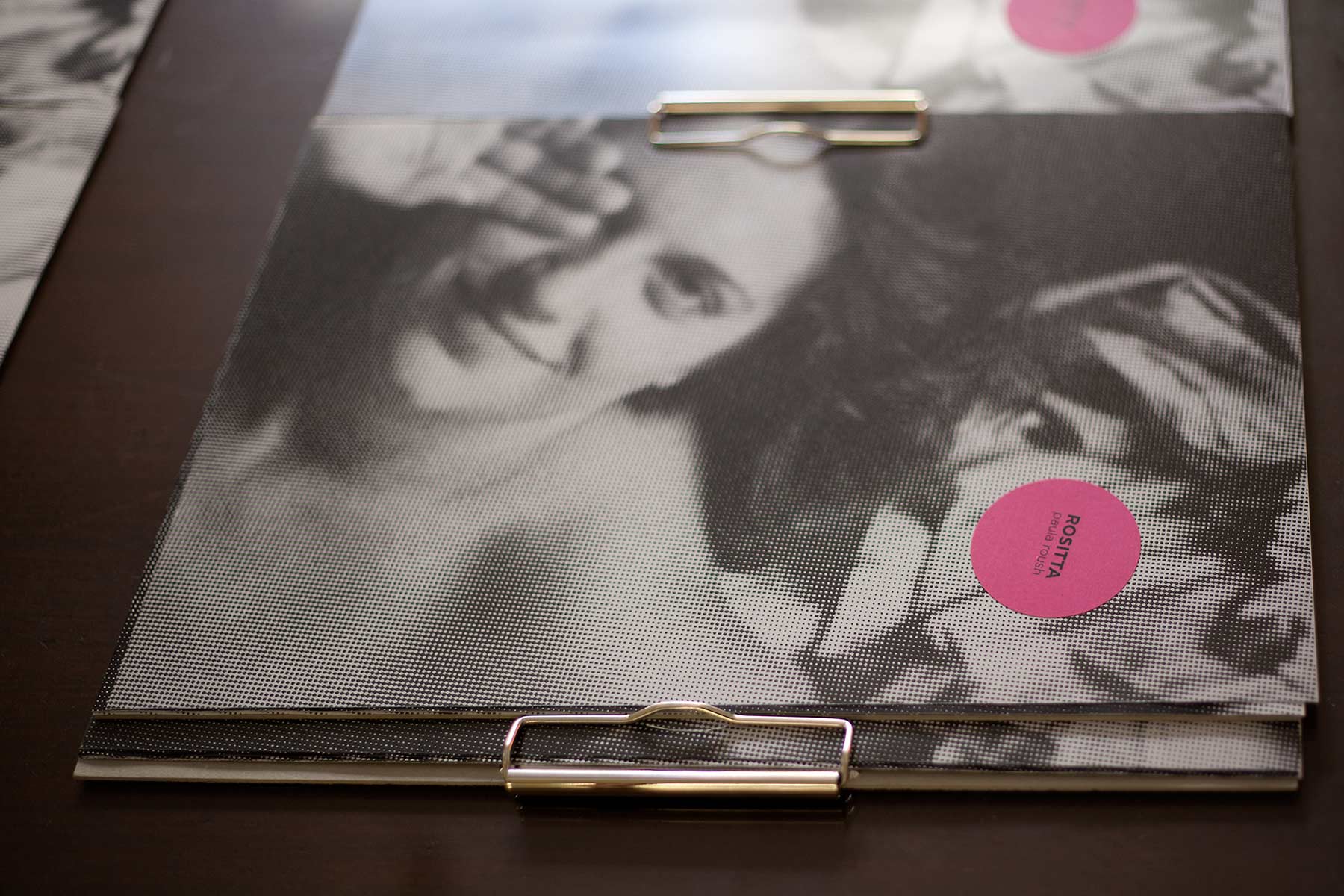
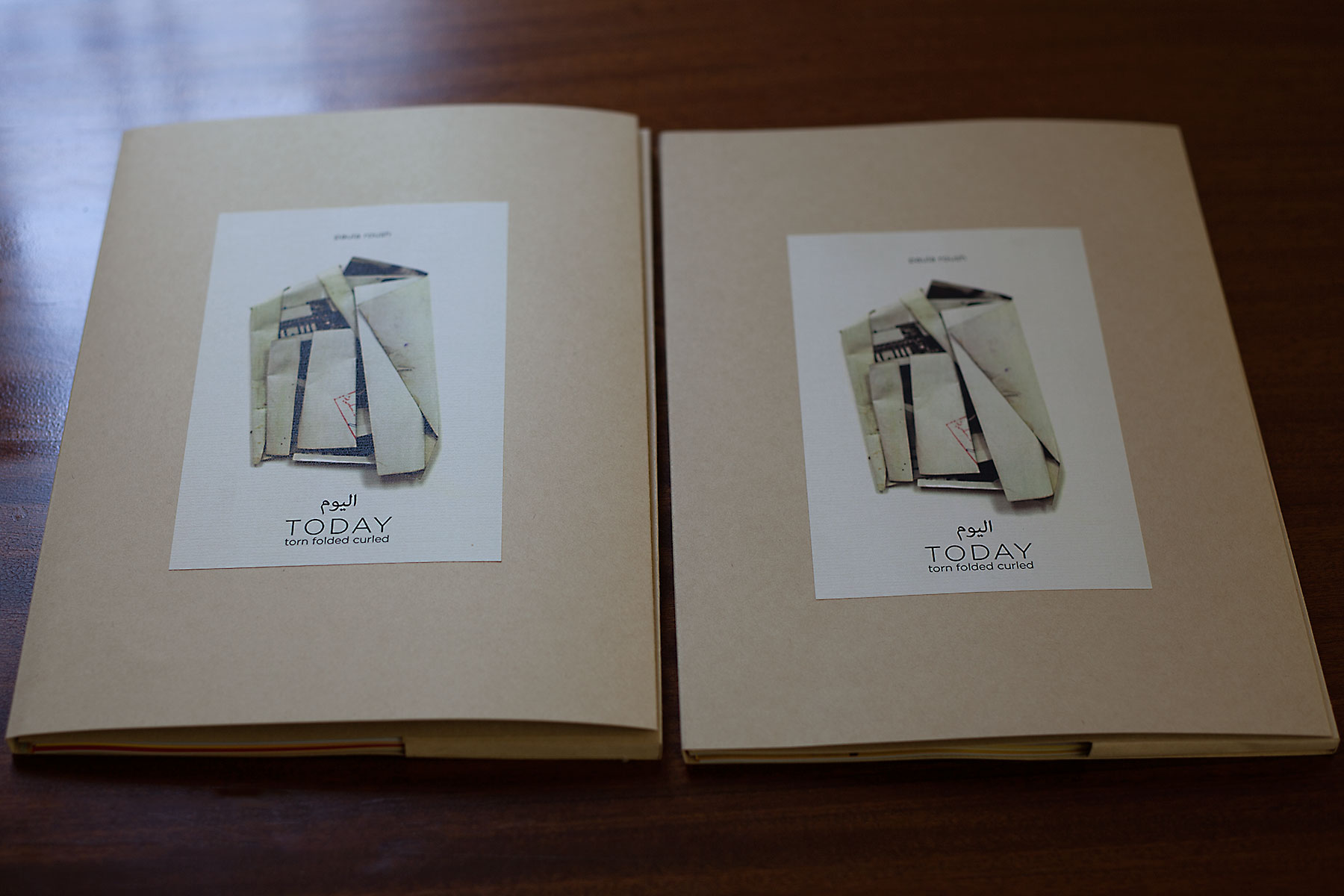
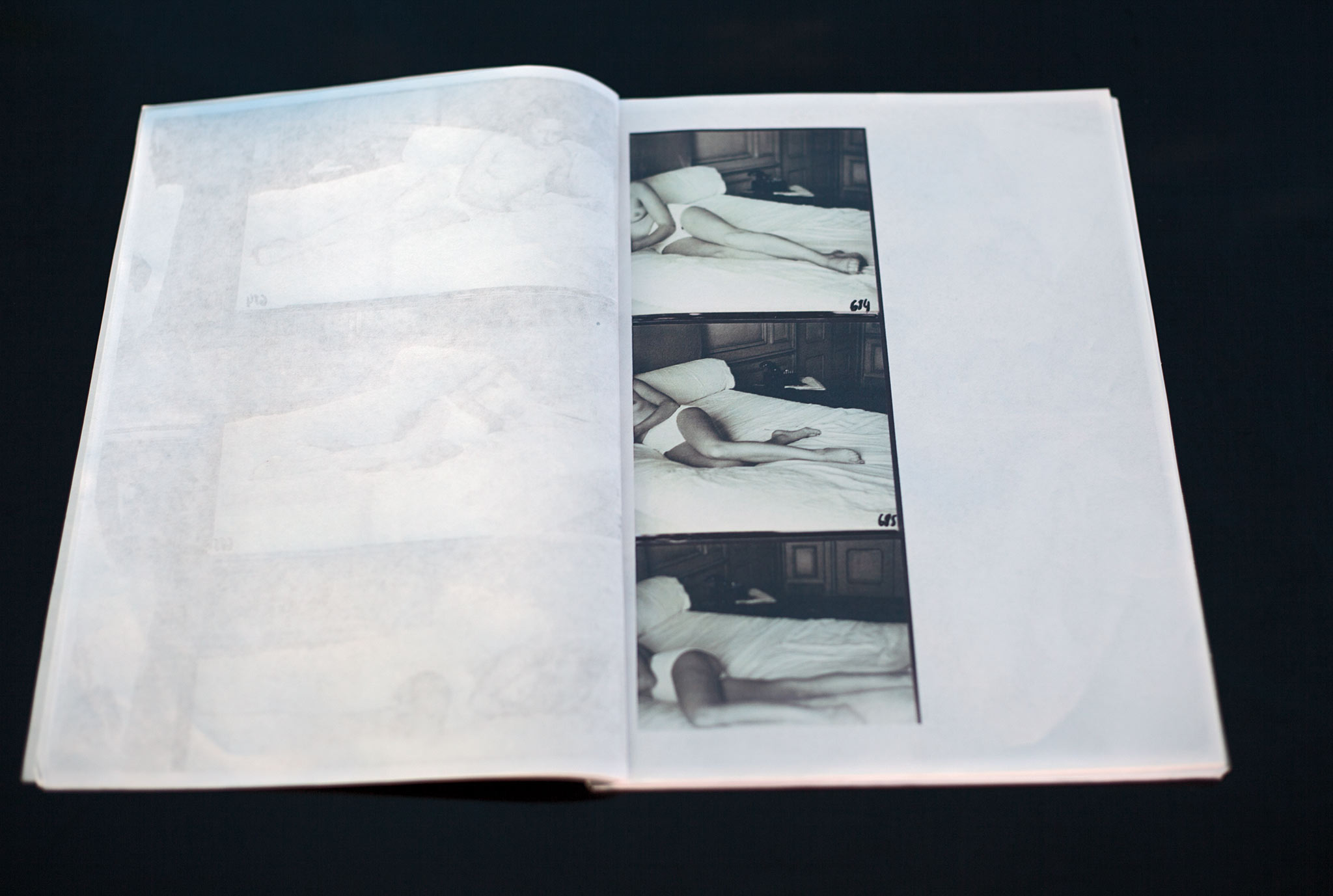
The residency generated a body of research-driven photobook works sourced from the Arab Image Foundation collections, including Super–Private and Rositta (from the EPS collection). The project later expanded through Bayroumi (4,600 Questions) (from the Bayroumi collection), Al-Yom / Today (from the Al-Yom collection), and Sex’n’Database, developed in relation to the Foundation’s former online database interface.
•a publishing phase in Beirut with PlanBey, where book dummies became the bridge between archival research and public dissemination;
•the exhibition Torn, Folded, Curled at Makan Project Space, Beirut (Sept–Nov 2015), staged as a domestic installation that foregrounded intimacy, haptic reading, and the ethics of looking;
•subsequent dissemination through writing and public presentation, including the paper “Torn, Folded, Curled: Orphan photographs sourced from the Arab Image Foundation” presented at LAU’s symposium The Archive: Visual Culture in the Middle East (Byblos, 2019);
•the monograph SUPER–PRIVATE: Sourcing from the Arab Image Foundation Photographic Collections (msdm publications, 2023), consolidating the EPS research, the project’s methodology, and its material outputs.
From Practice to Manifesto
Torn, Folded, Curled constitutes a foundational site in which the principles later articulated in the msdm manifesto are materially and ethically tested. Working inside an institutional archive marked by war, loss, and custodial care, the project develops slowness as method, publishing as process, and mediation as a situated, relational practice.
By treating archival damage not as defect but as epistemic condition, the project foregrounds attention, handling, and sequencing as forms of thinking. Knowledge emerges through proximity to fragile materials, dialogue with archivists and donors, and sustained engagement with uncertainty rather than resolution.
These editorial and methodological commitments — slow looking, care-based classification, publishing as a form of mediation rather than reproduction — continue to inform msdm’s contemporary pedagogies, editorial practices, and approaches to more-than-human archives.
→ Read the msdm manifesto
Selected Publications
– SUPER – PRIVATE : SCENES 1 | 2 | 3 | 4 | 5 | 6
– Rositta
– Bayroumi (4,600 Questions)
– Al-Yom / Today
– Sex’n’Database
– SUPER–PRIVATE: Sourcing from the Arab Image Foundation Photographic Collections (msdm publications, 2023)
- Al-Yom (Today) torn curled folded 3rd edition (msdm publications, 2026)
Selected Exhibitions & Presentations
– Torn, Folded, Curled, Makan Project Space, Beirut (2015)
– Torn, Folded, Curled: Orphan Photographs Sourced from the Arab Image Foundation,
The Archive: Visual Culture in the Middle East Symposium, LAU, Byblos (2019)
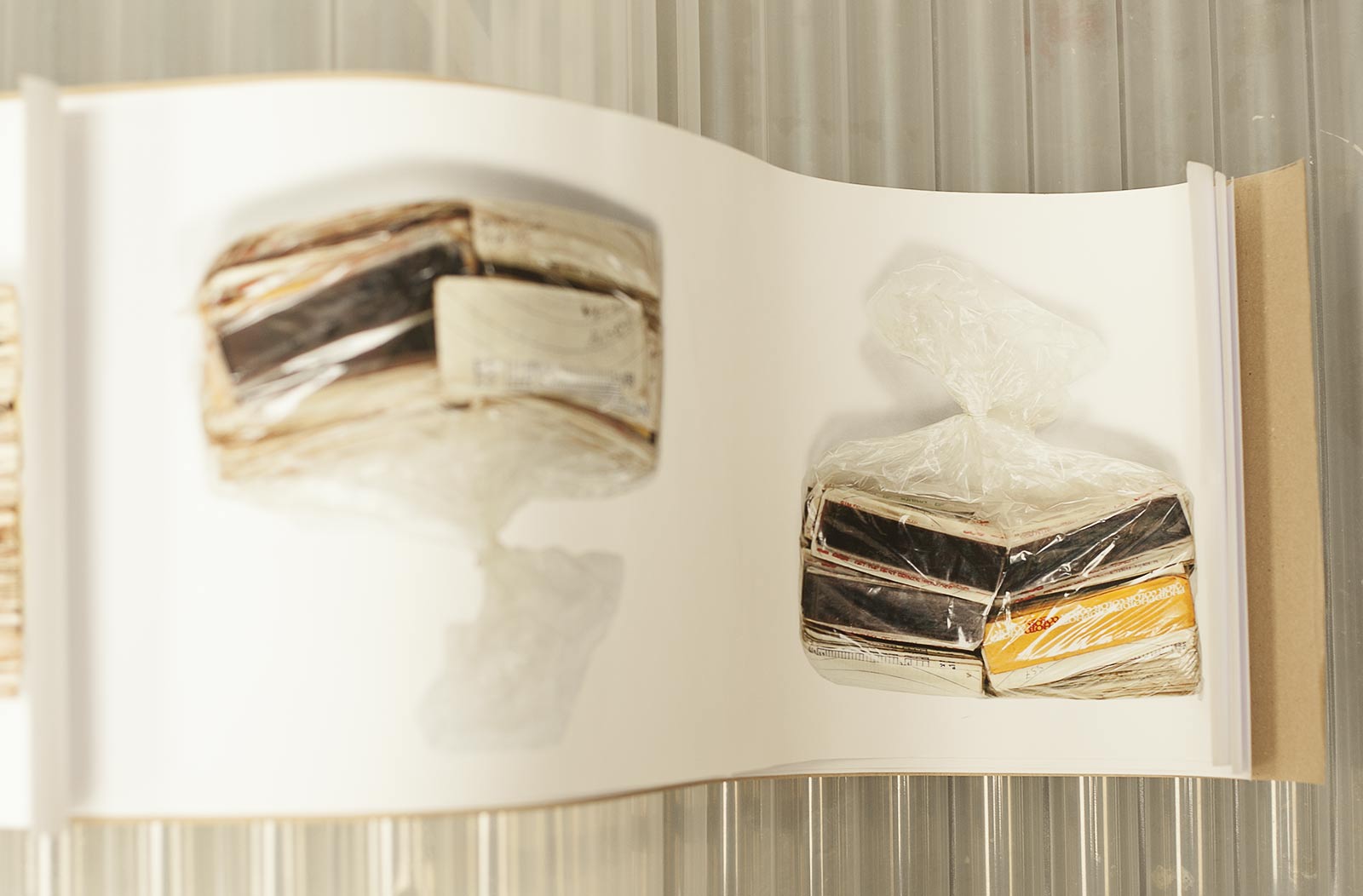
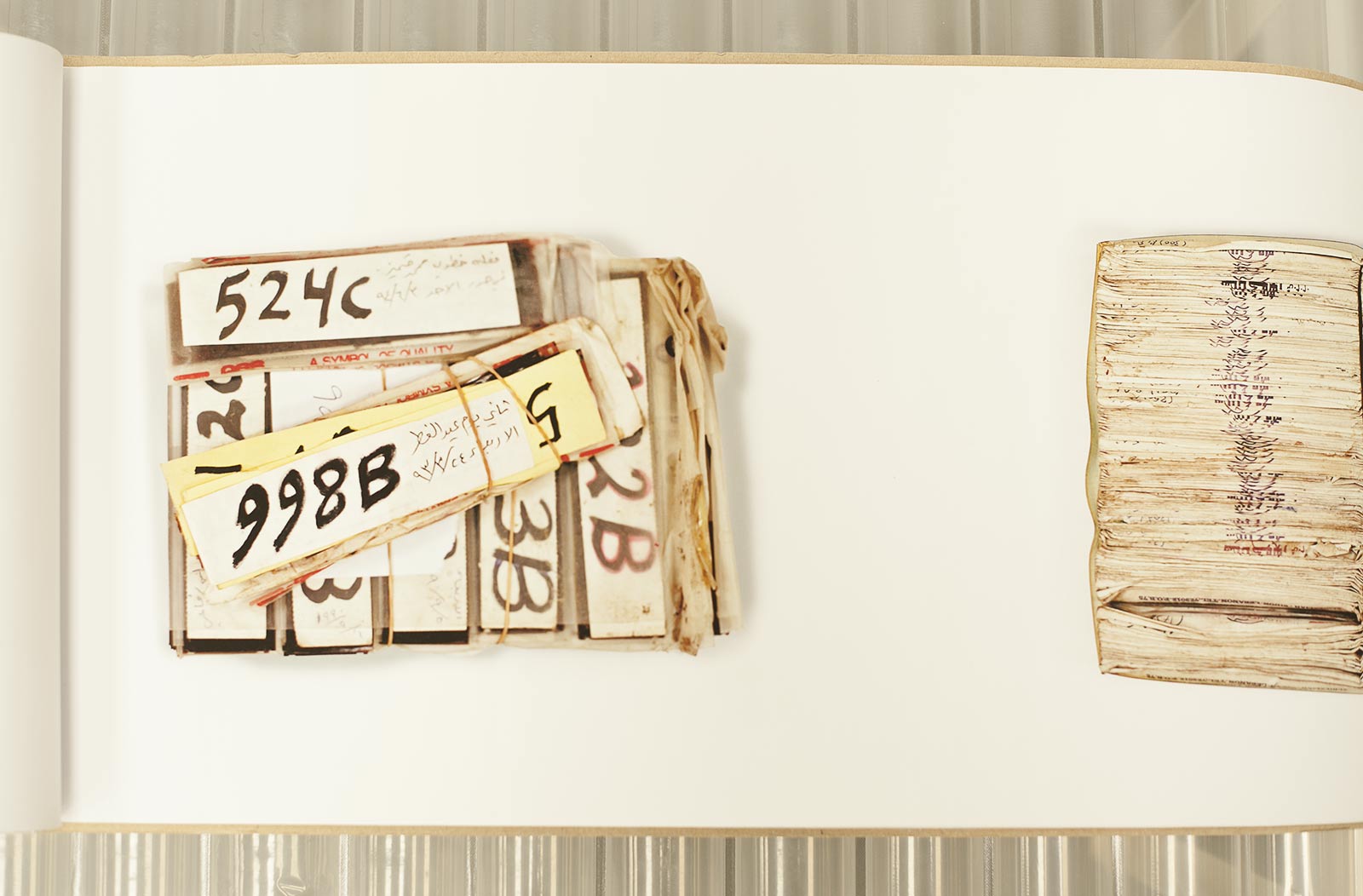
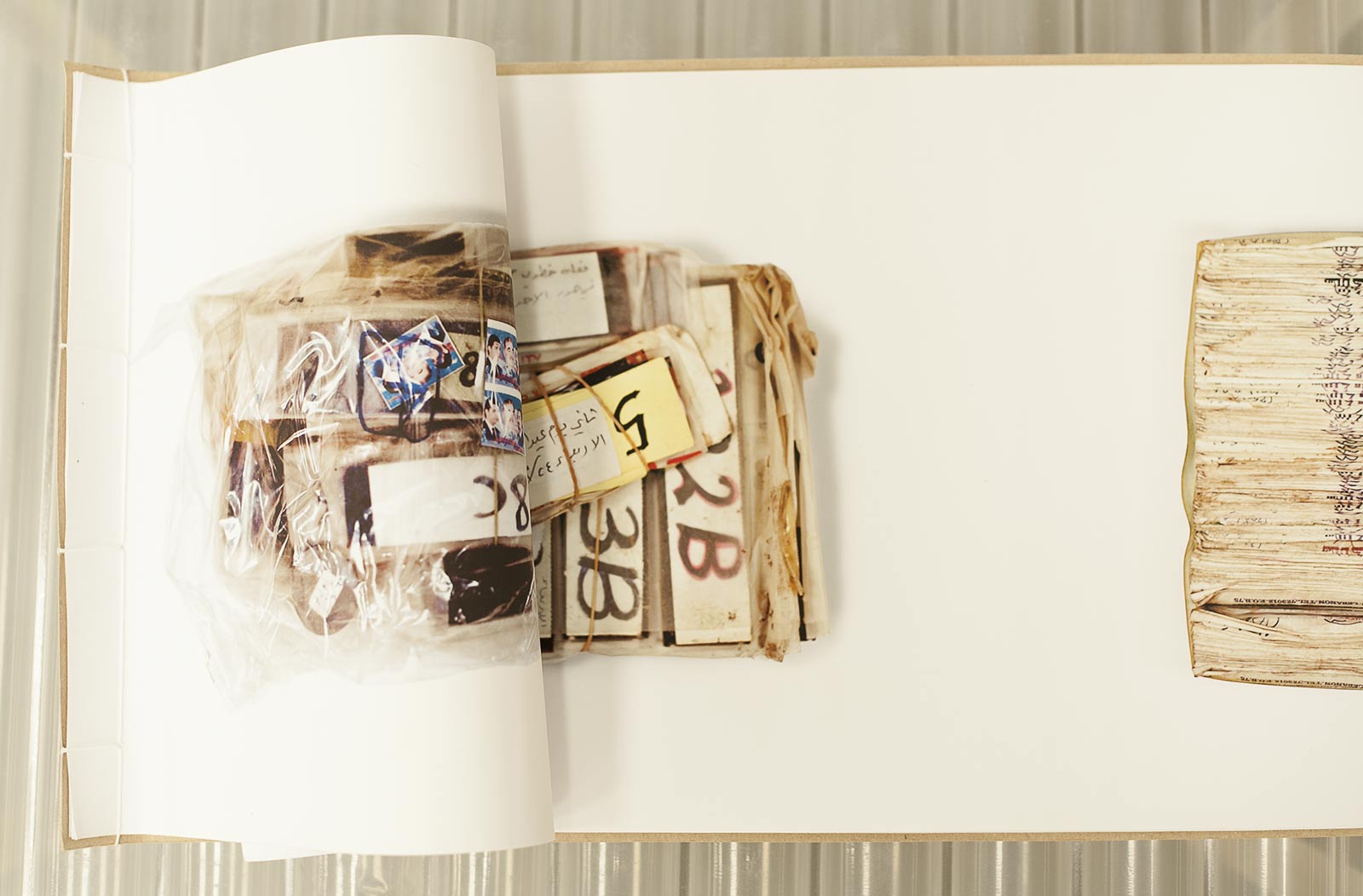
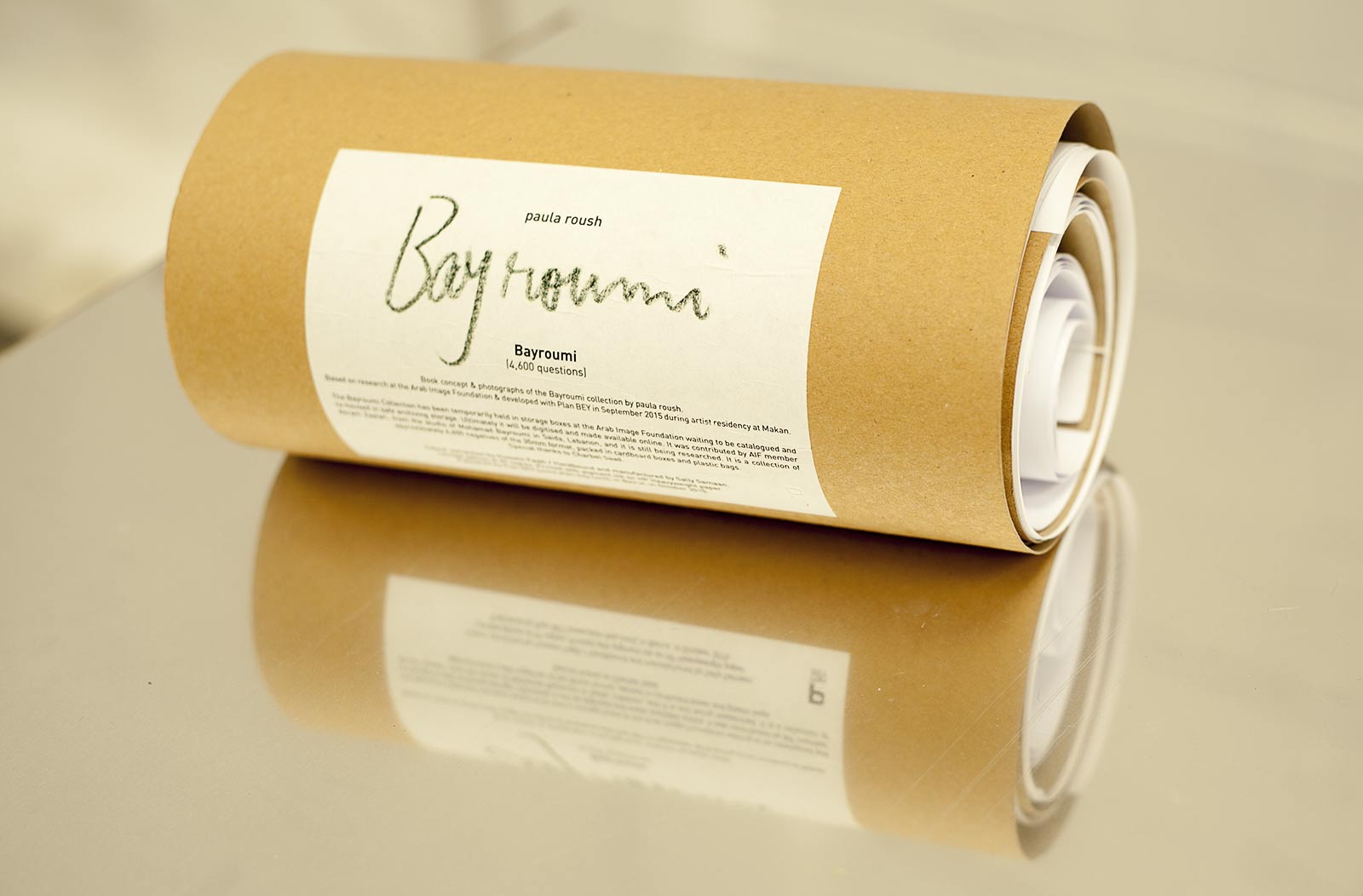
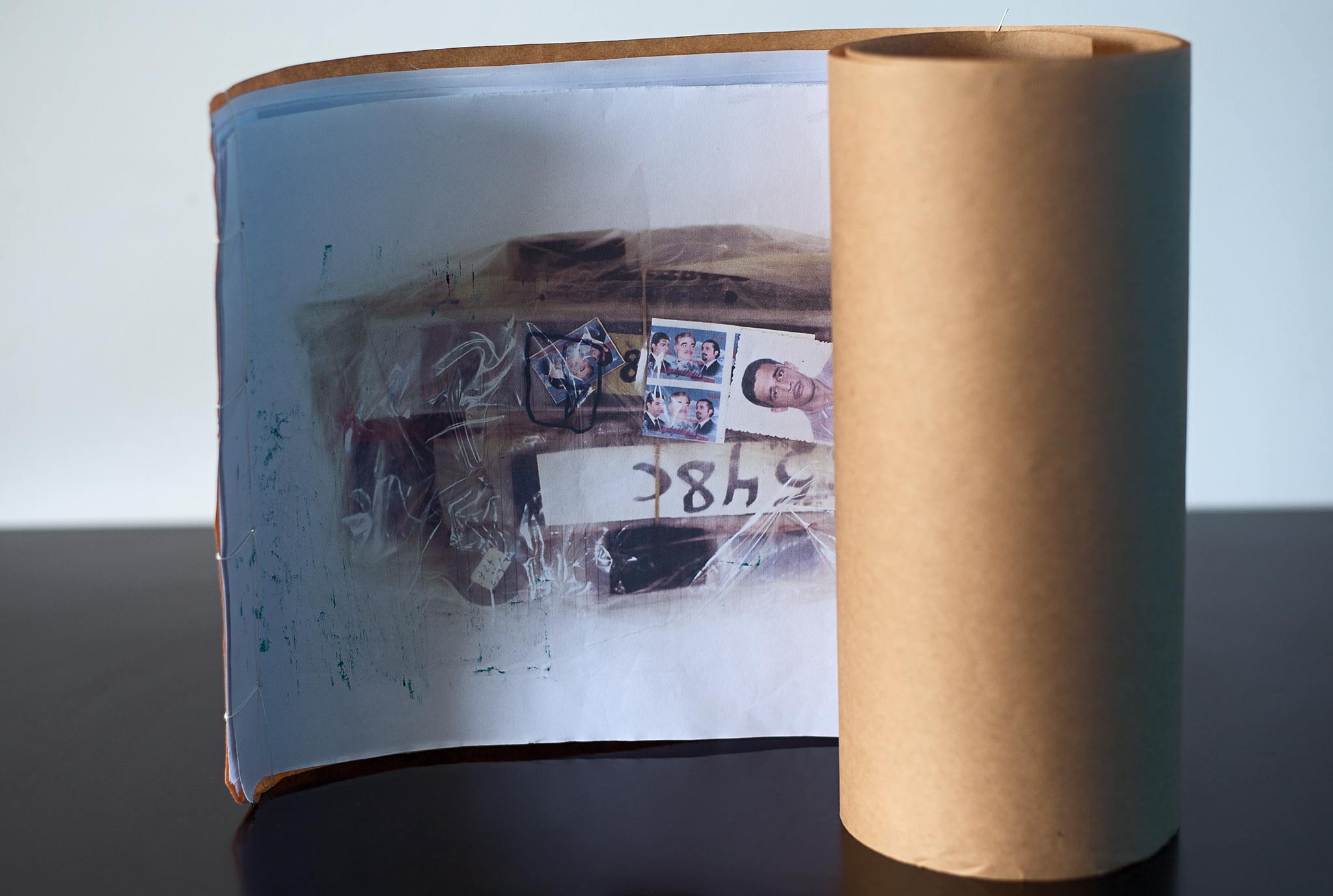
BAYROUMI (4,600 QUESTIONS)
Scroll book/ size when open: 24 x 94cm
Source: Arab Image Foundation/ Bayroumi Collection
[+more]
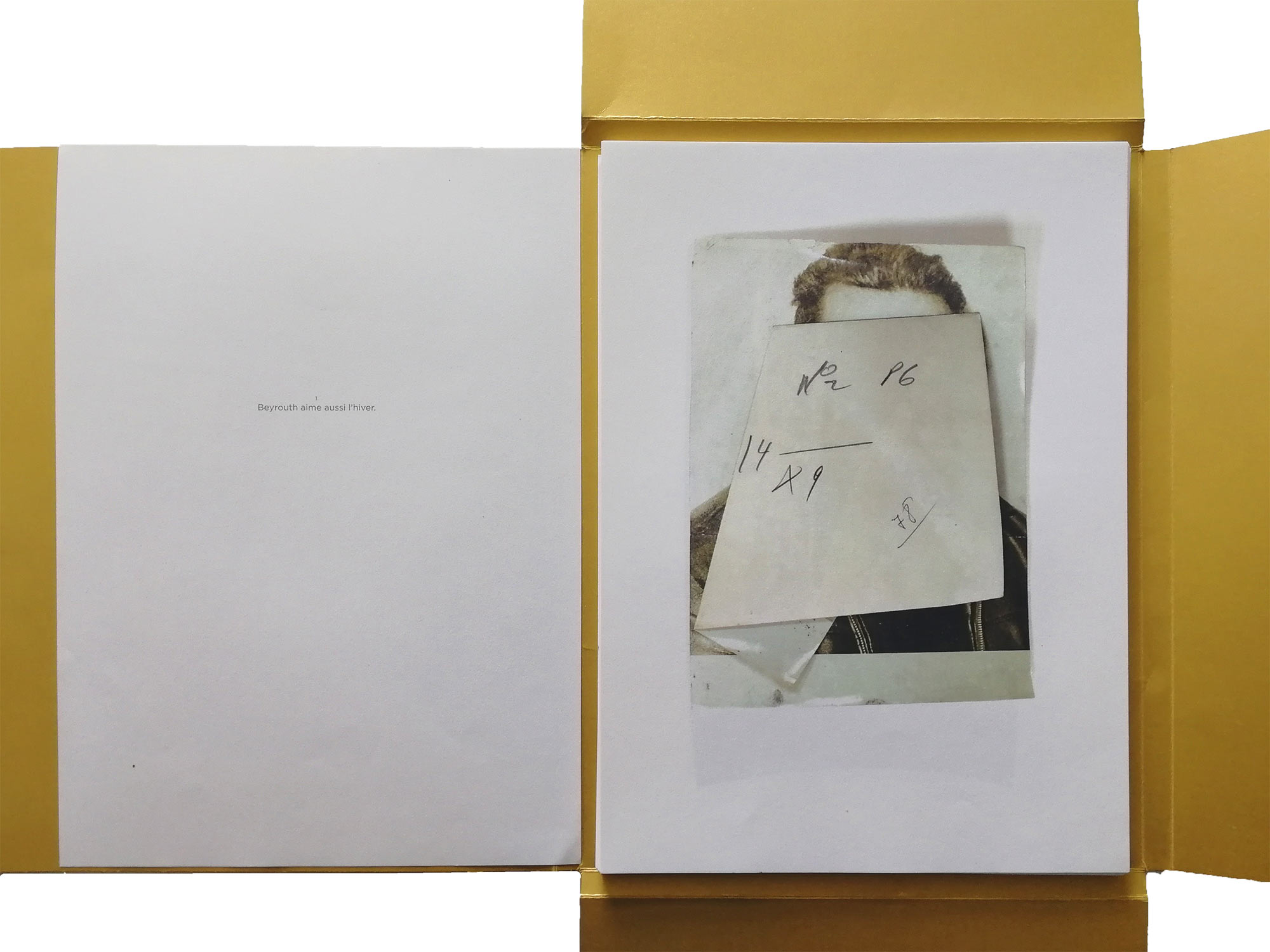
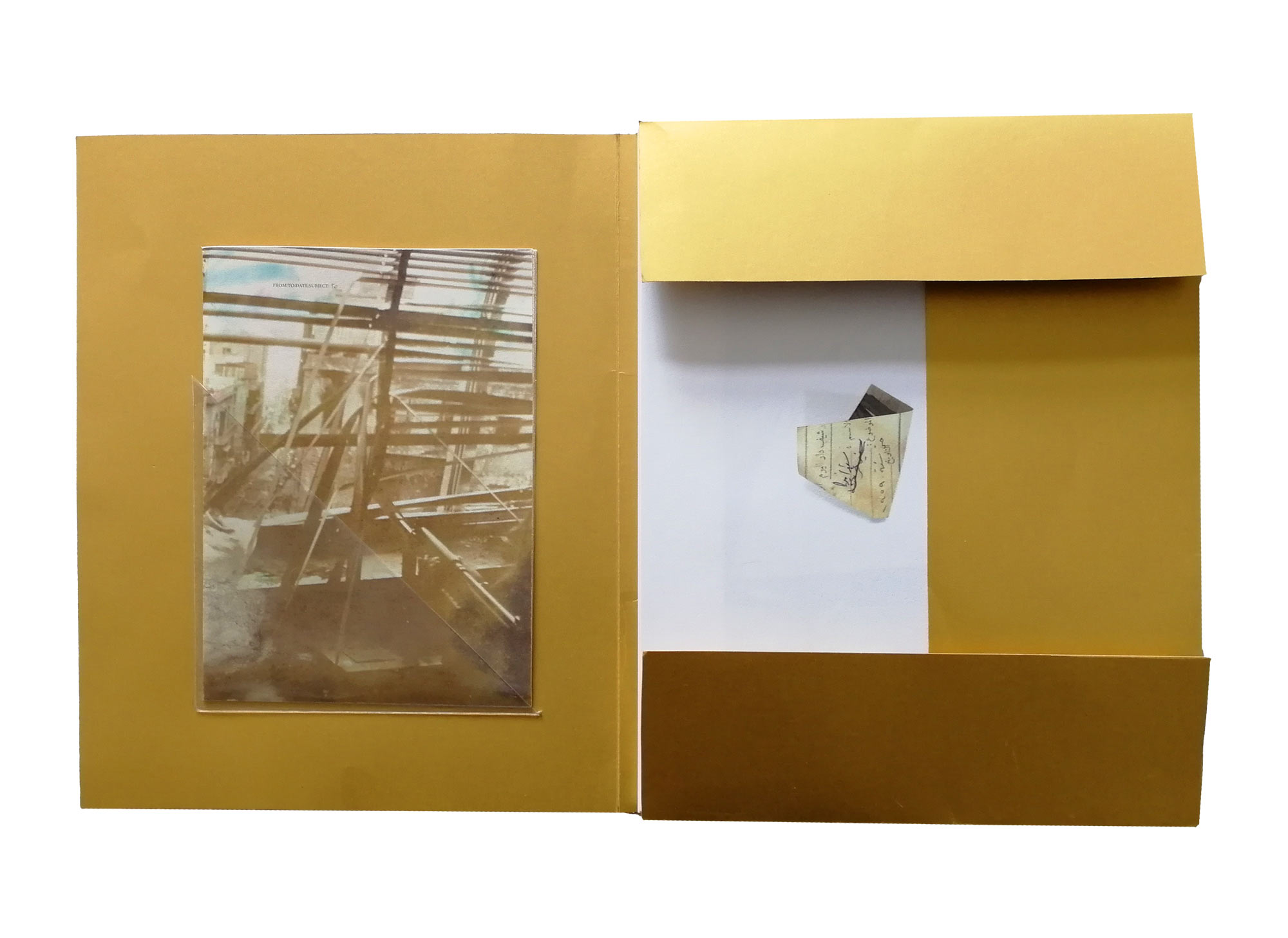
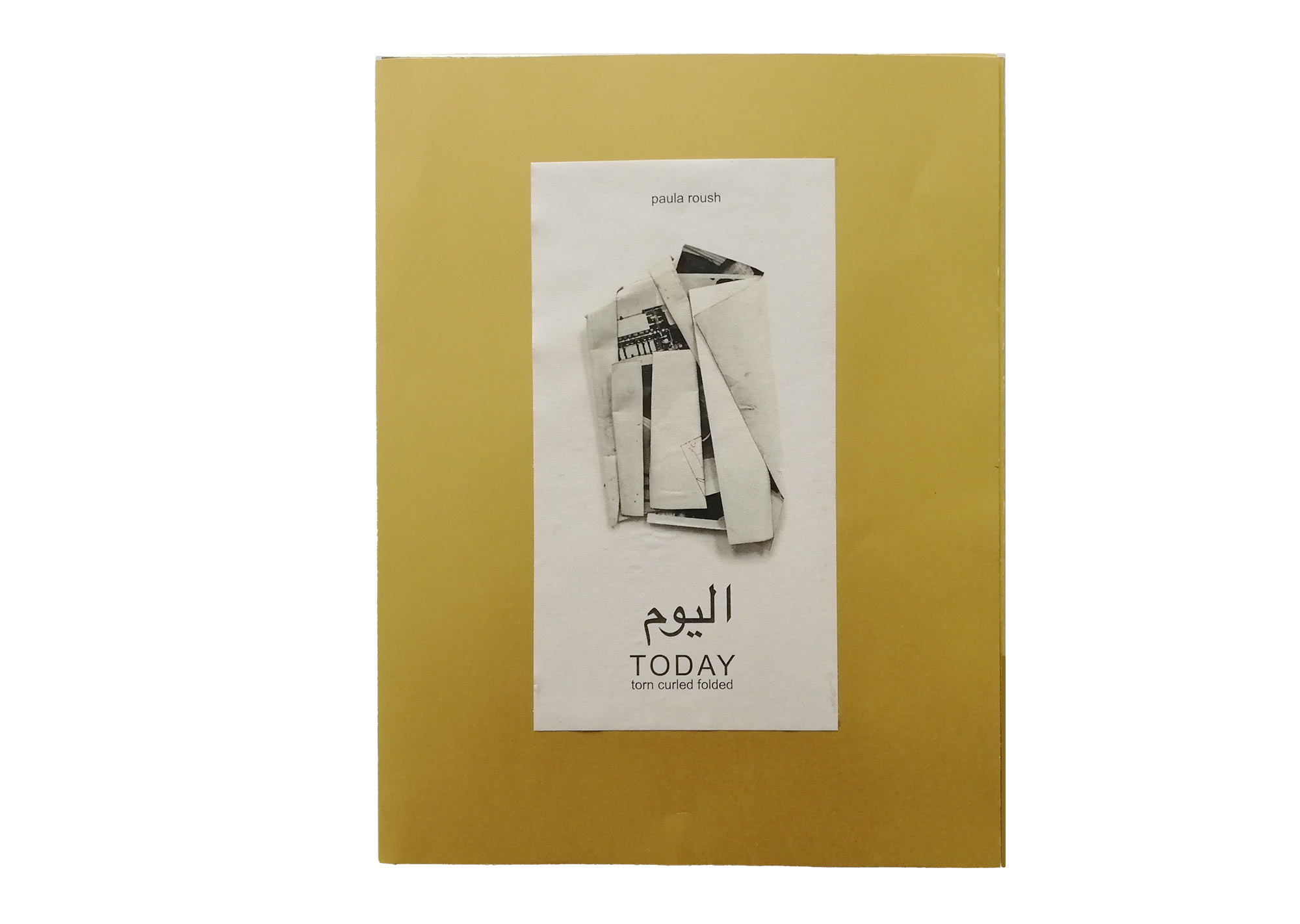
Al-Yom / Today
Unbound paper structure in case, 48 pages, 21 x 29 cm
[+more]
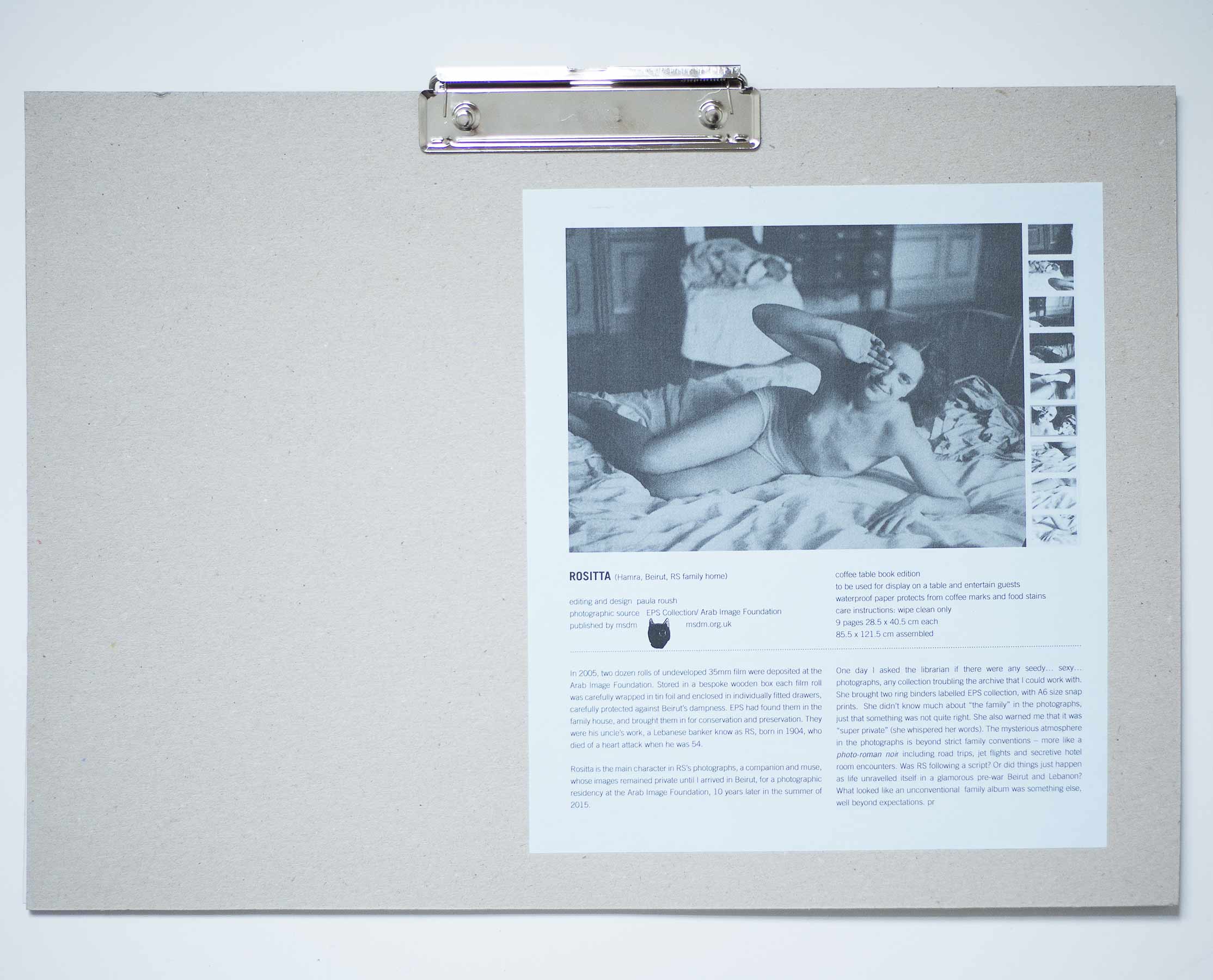
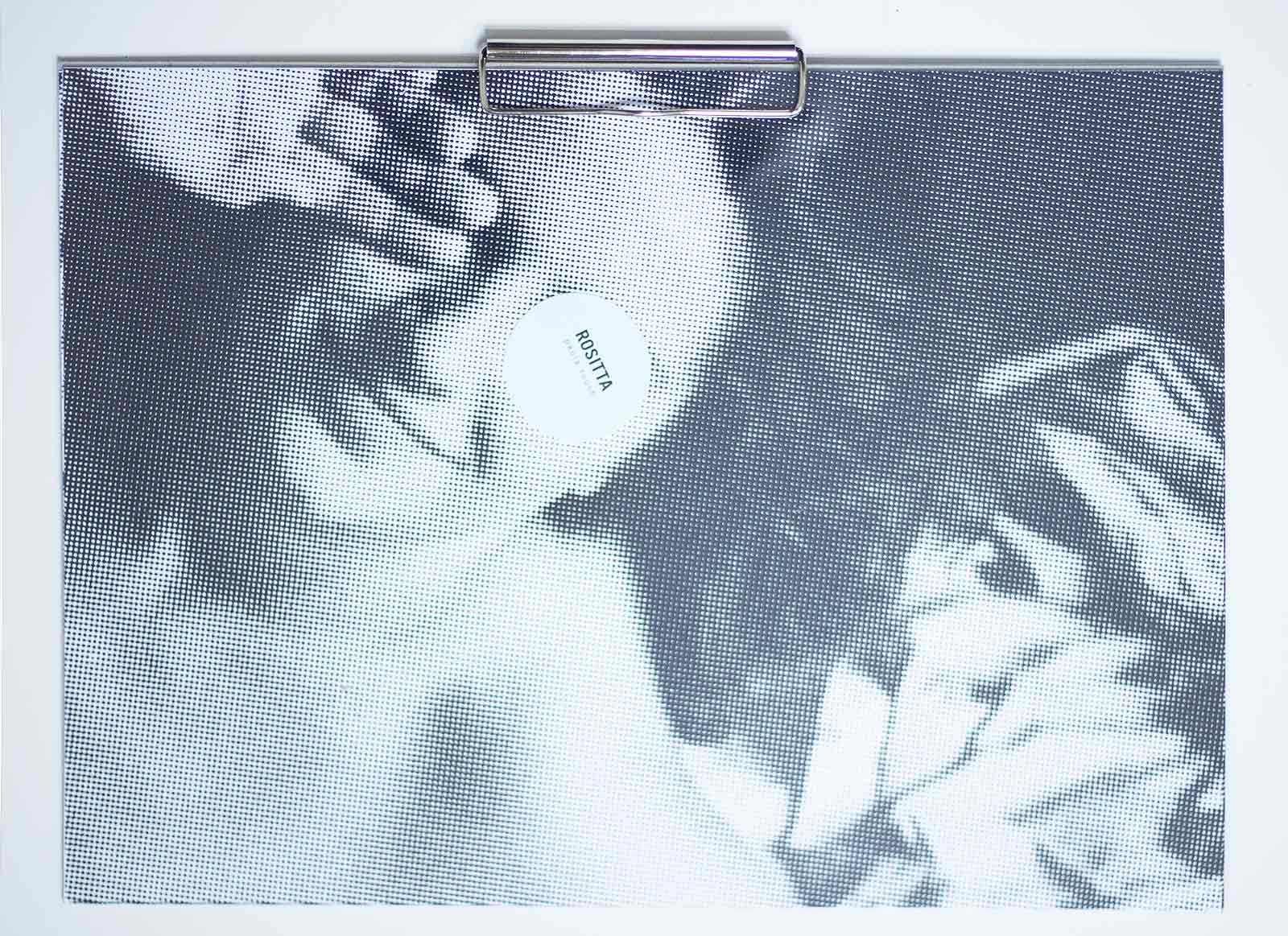
ROSITTA
Coffee table book edition
to display on a table and entertain guests
9 pages 28.5 x 40.5 cm each 85.5 x 121.5 cm assembled
[+more]
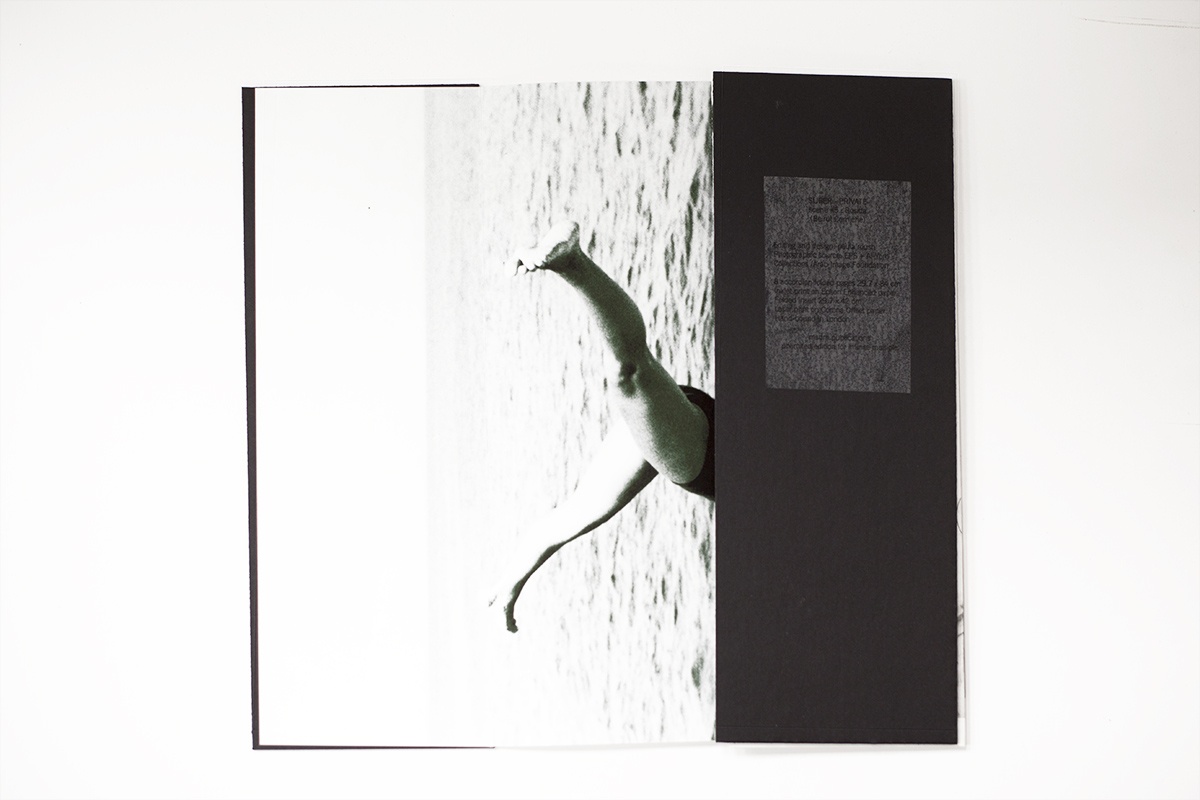
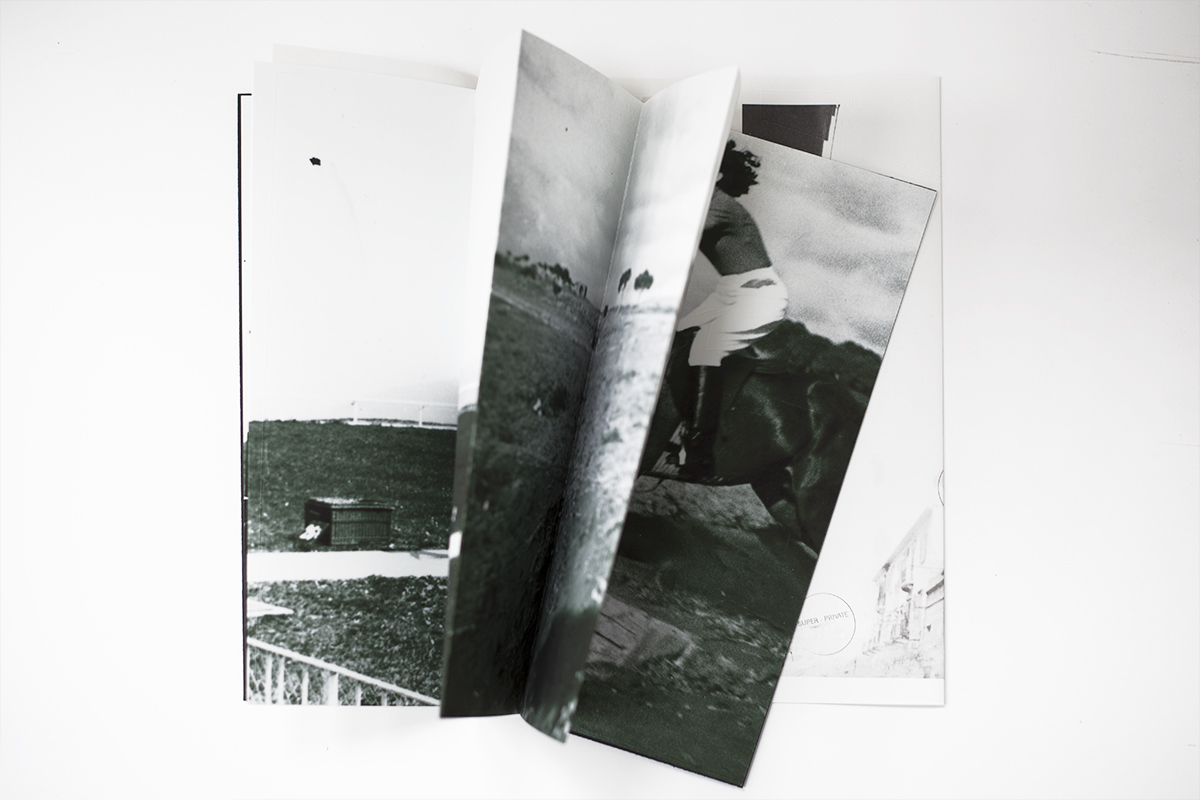
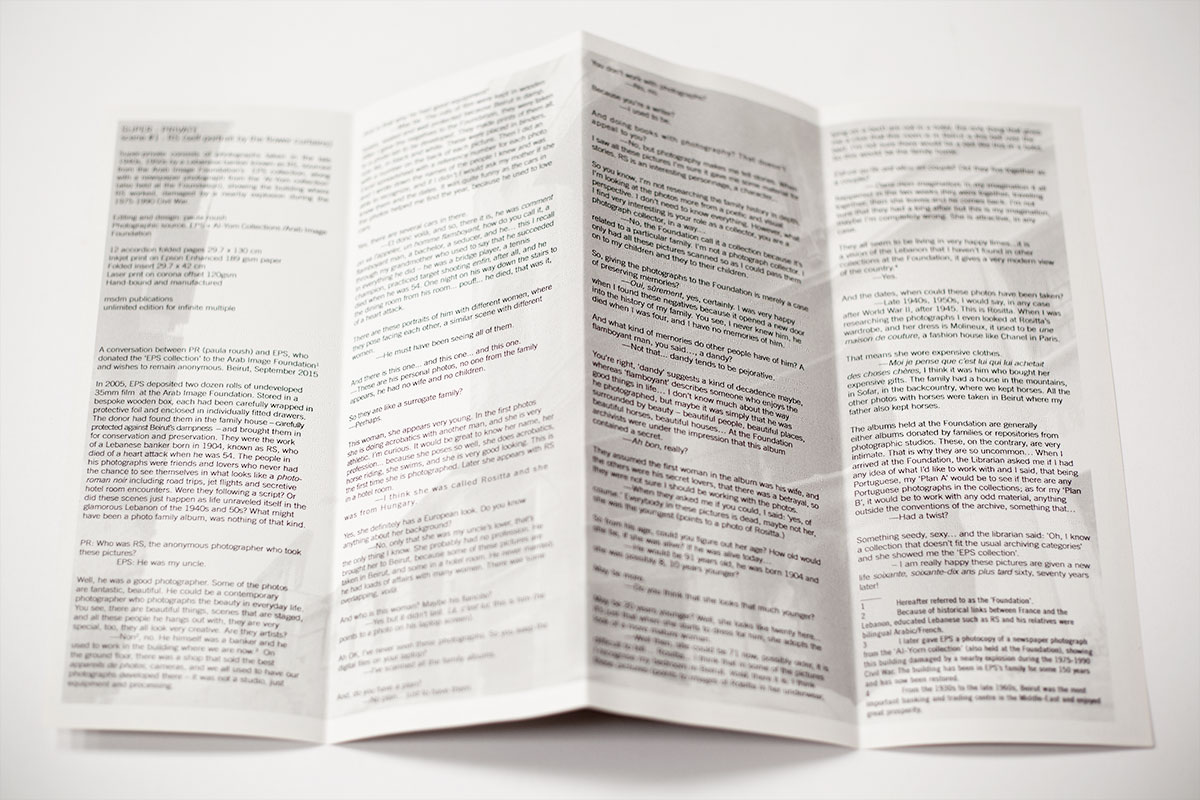
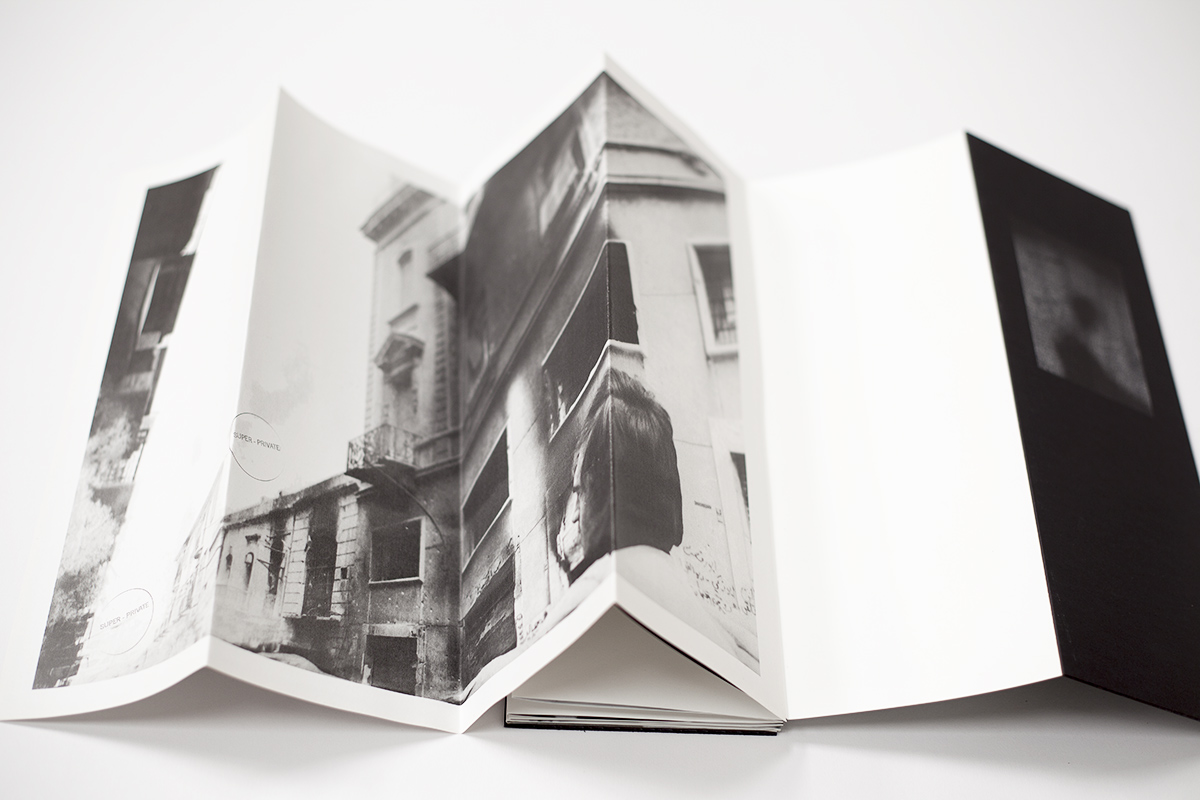
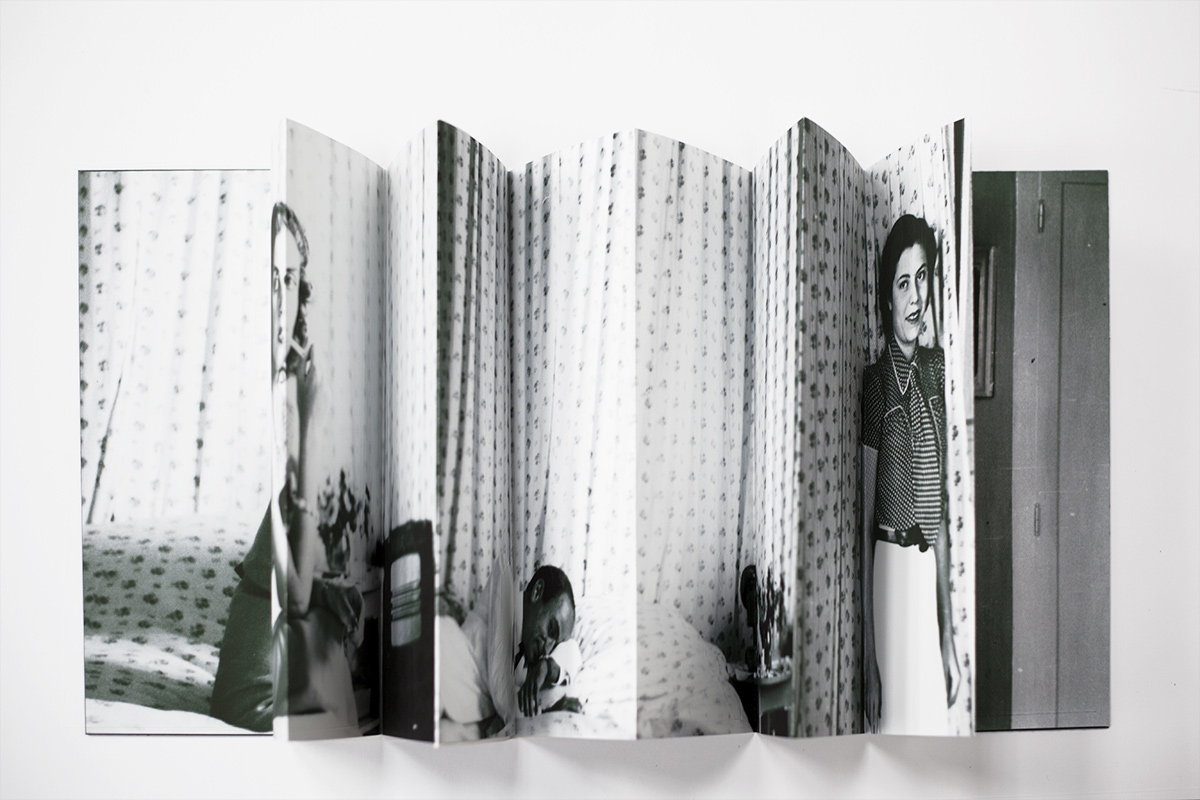
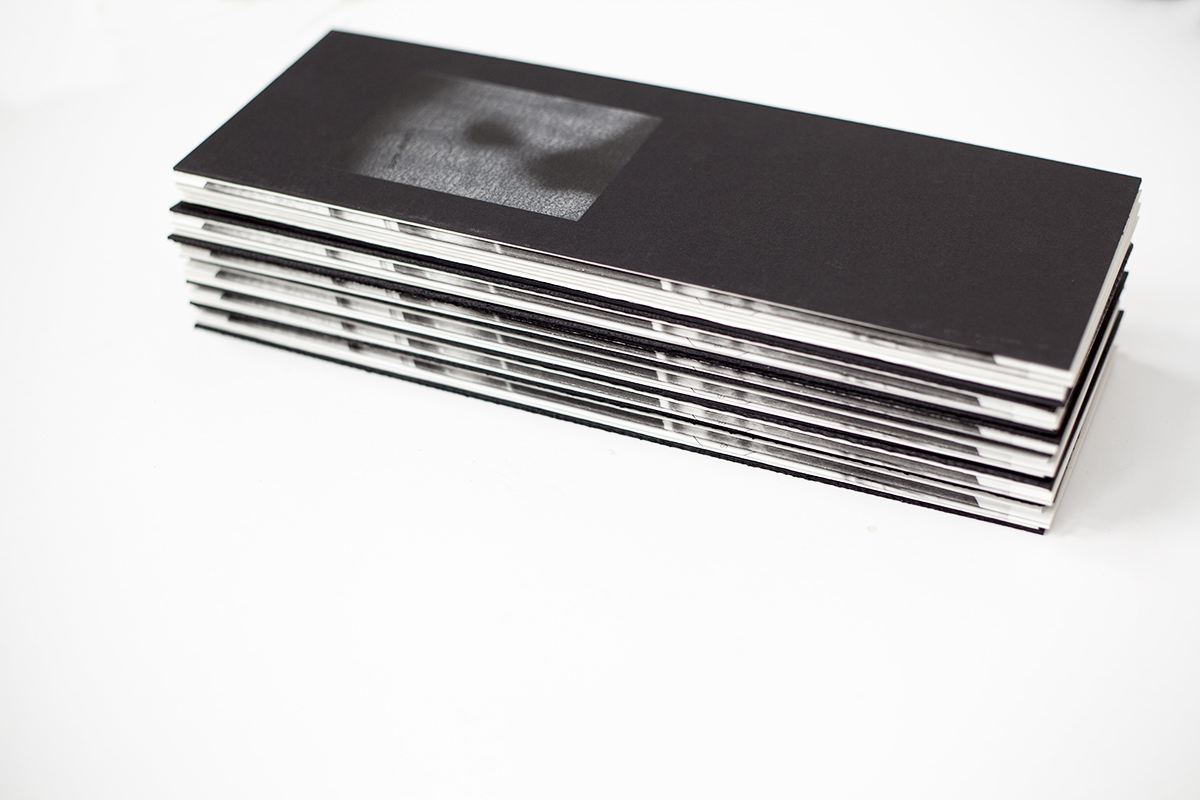
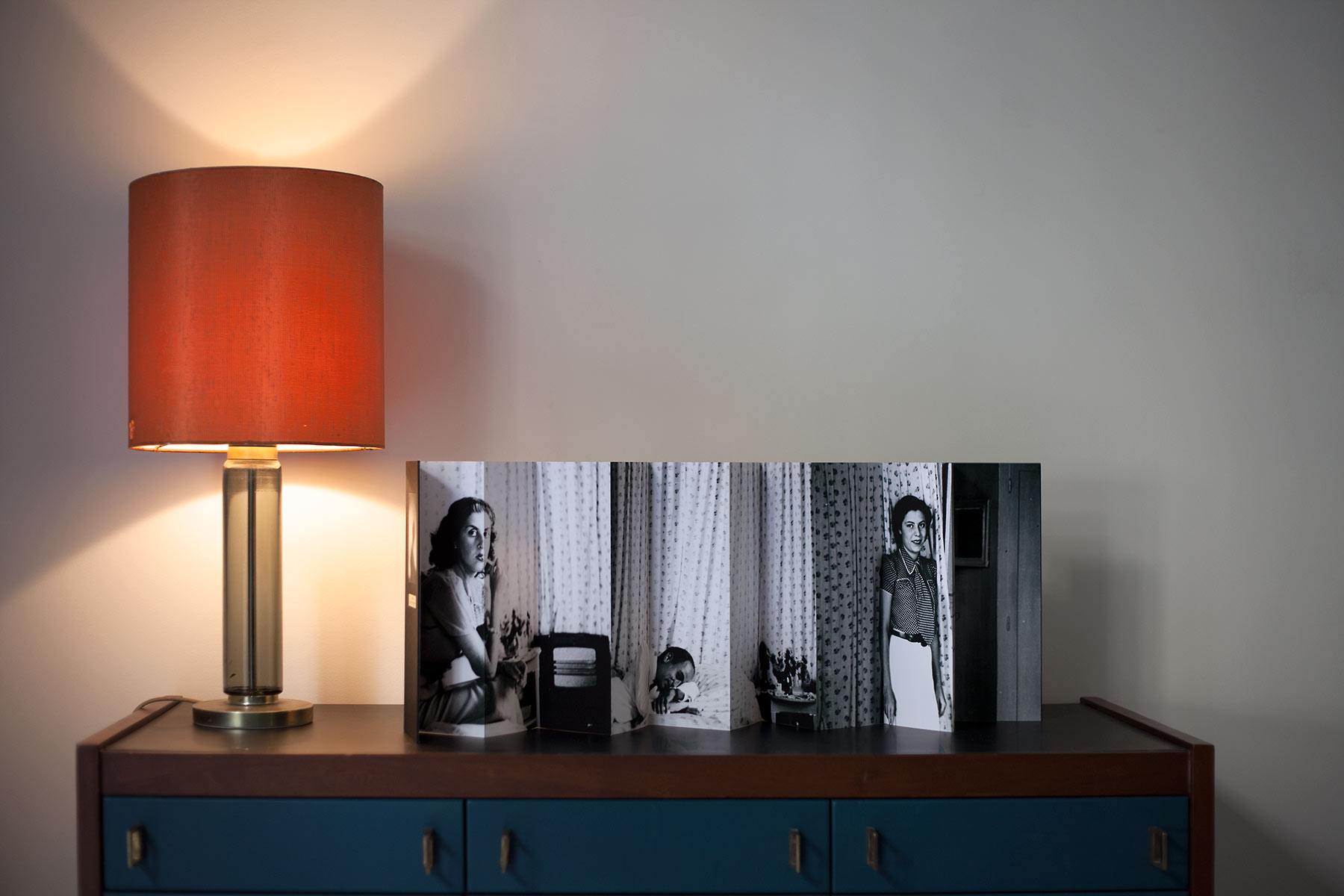
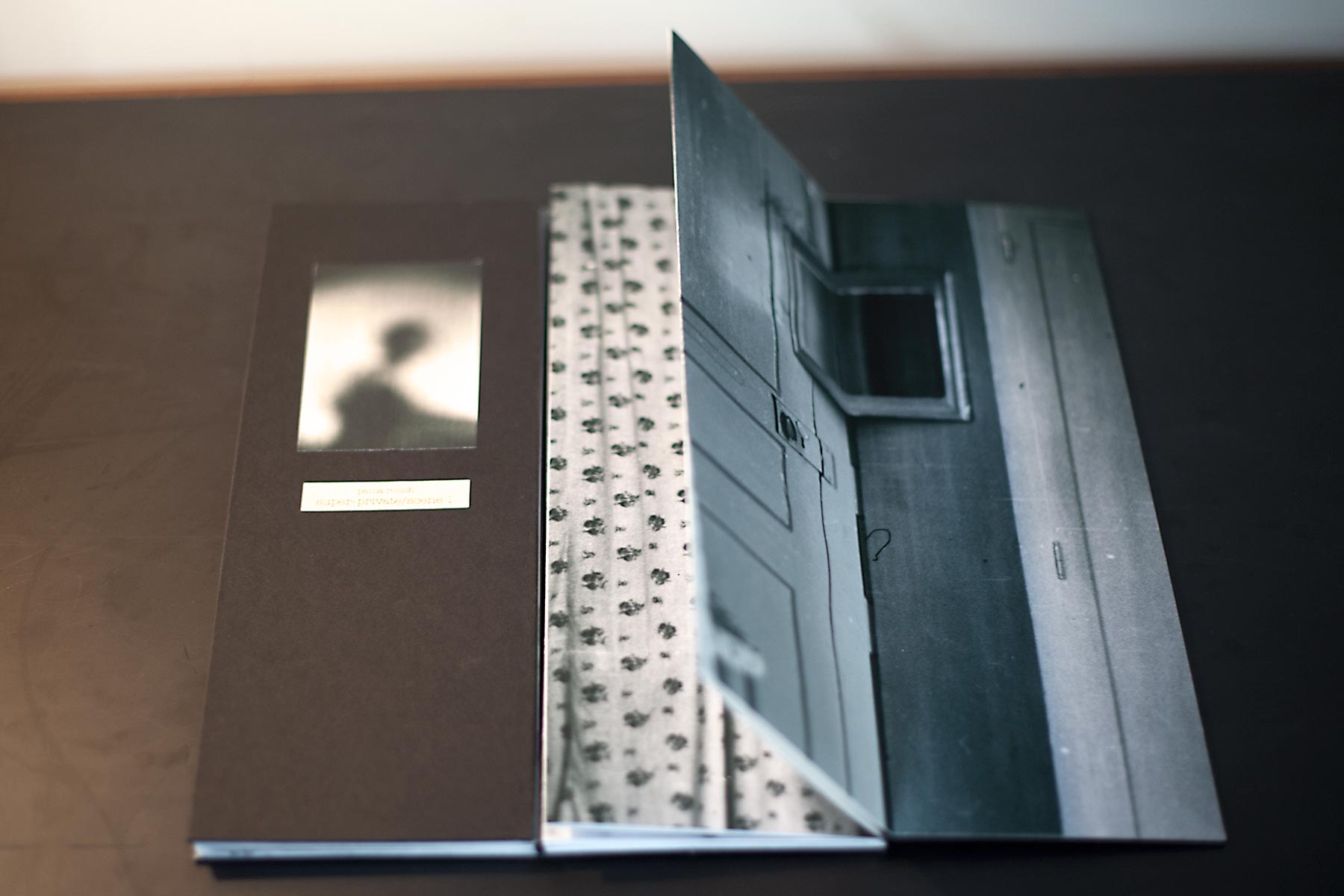
SUPER – PRIVATE : SCENES 1 | 2 | 3 | 4 | 5 | 6
accordion bookwork in six volumes
30 x 11cm, expanding to 130cm
[+more]
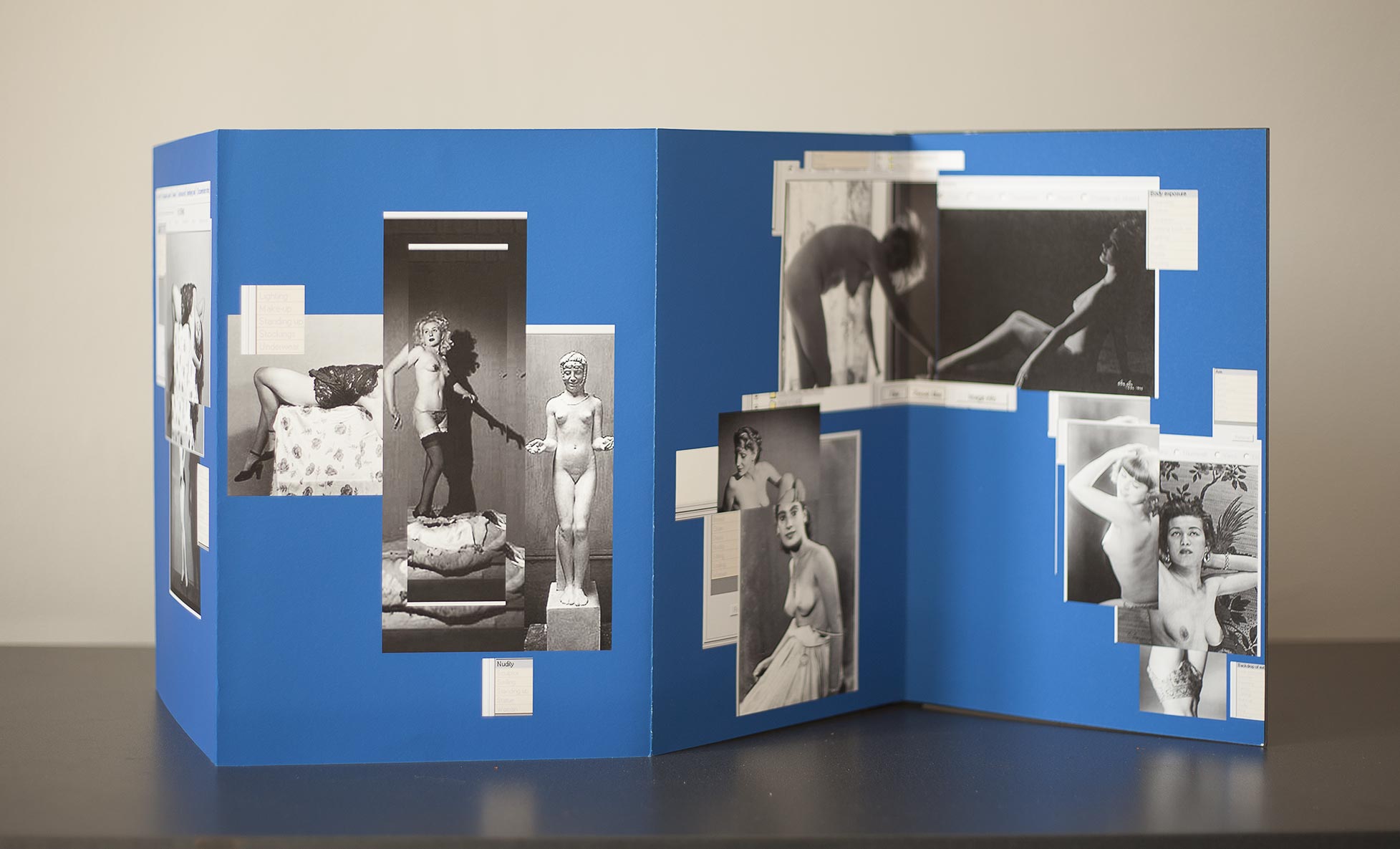
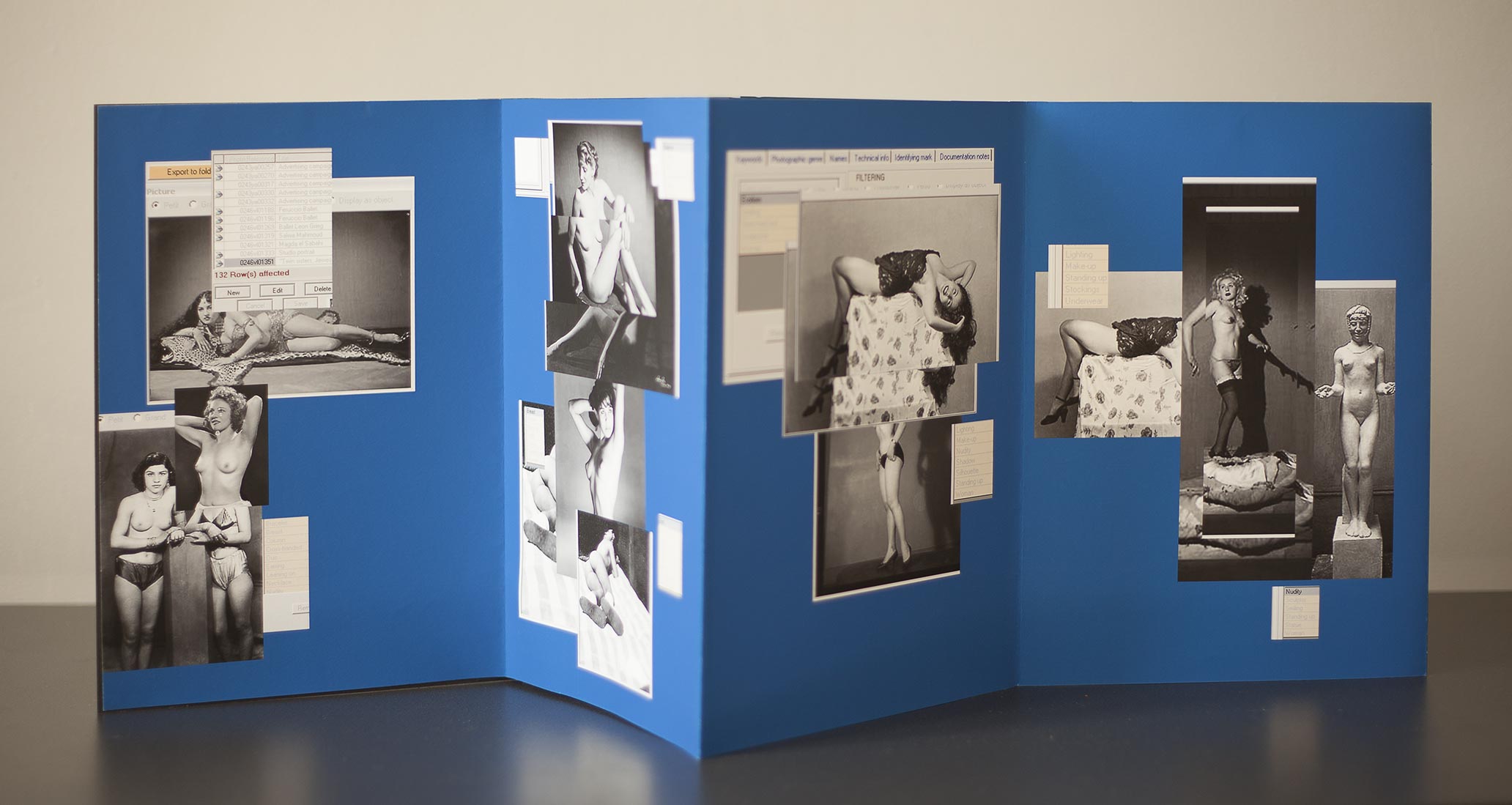
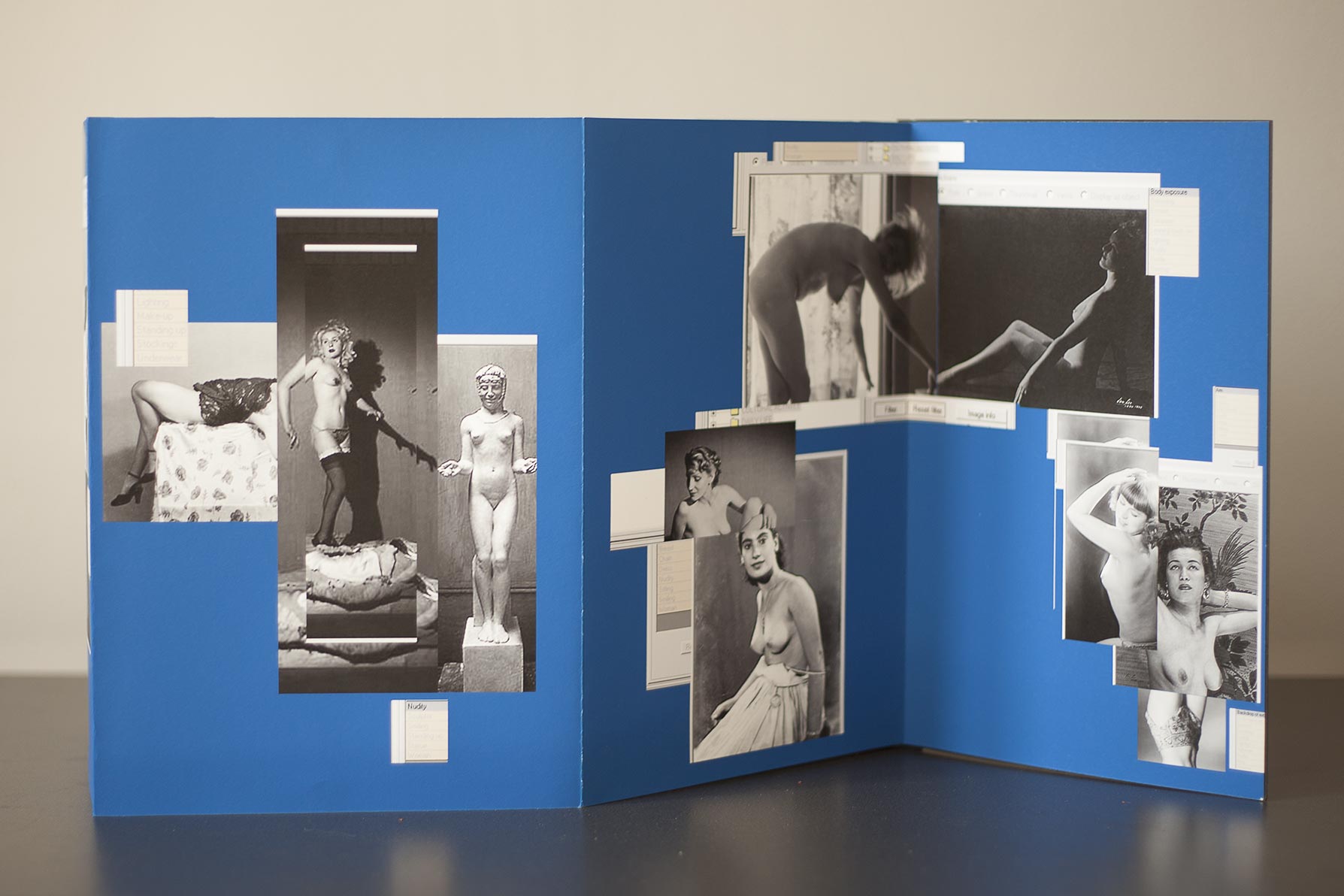
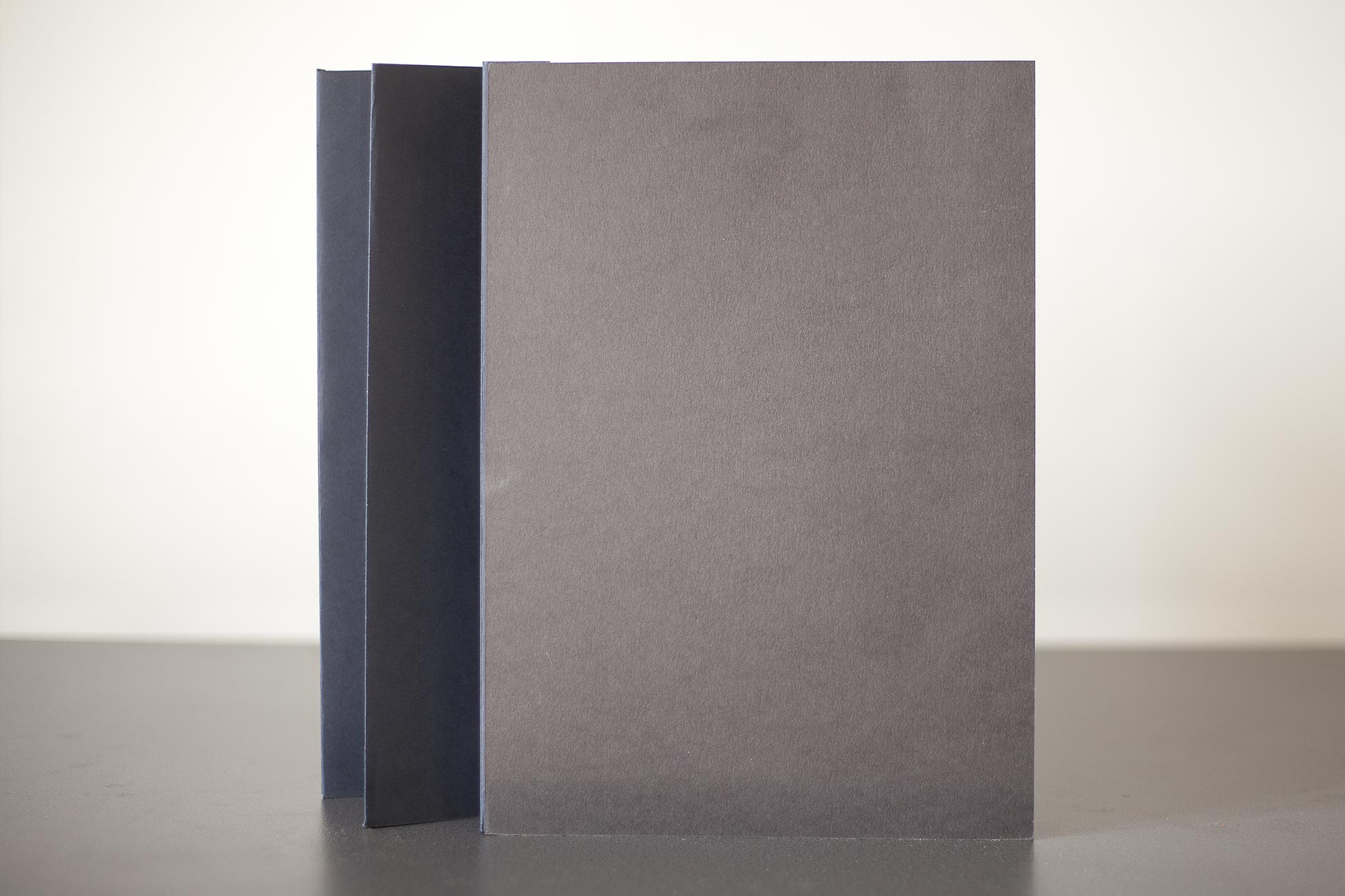
SEX'N'DATABASE
Accordion s artist’s book with folded paper structure
29,5 x 126cm colour inkjet print folded onto 6 pages
[+more]
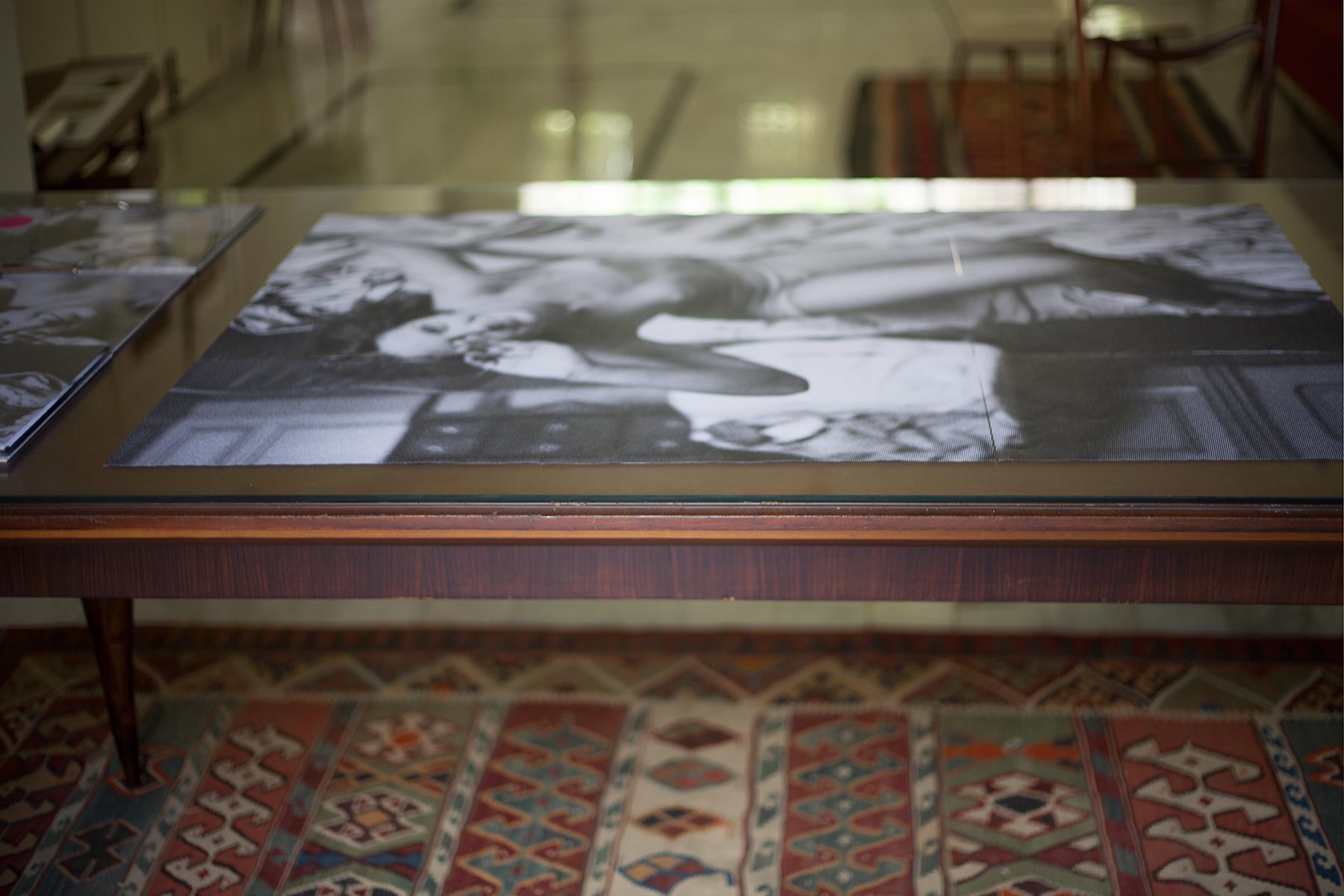
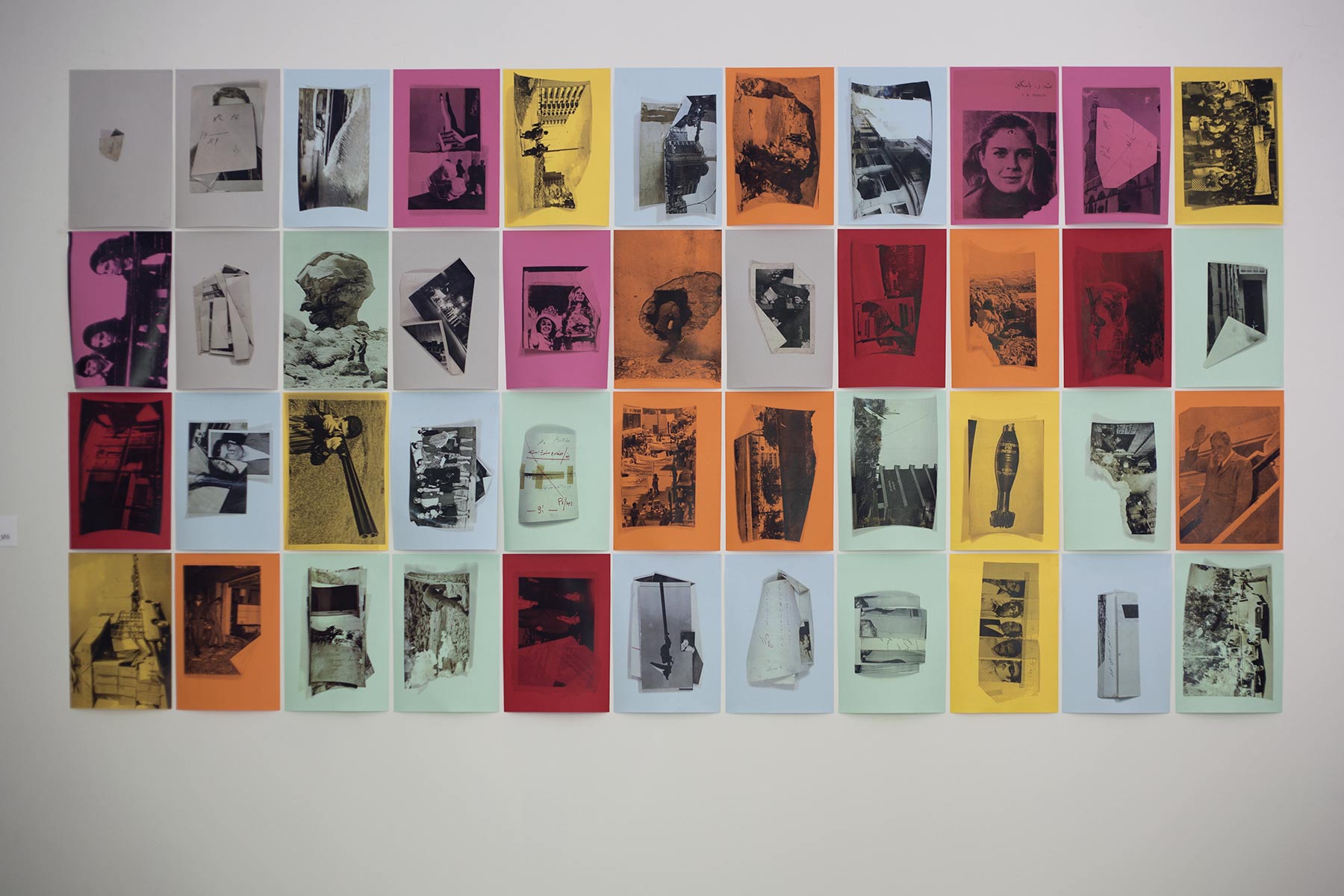
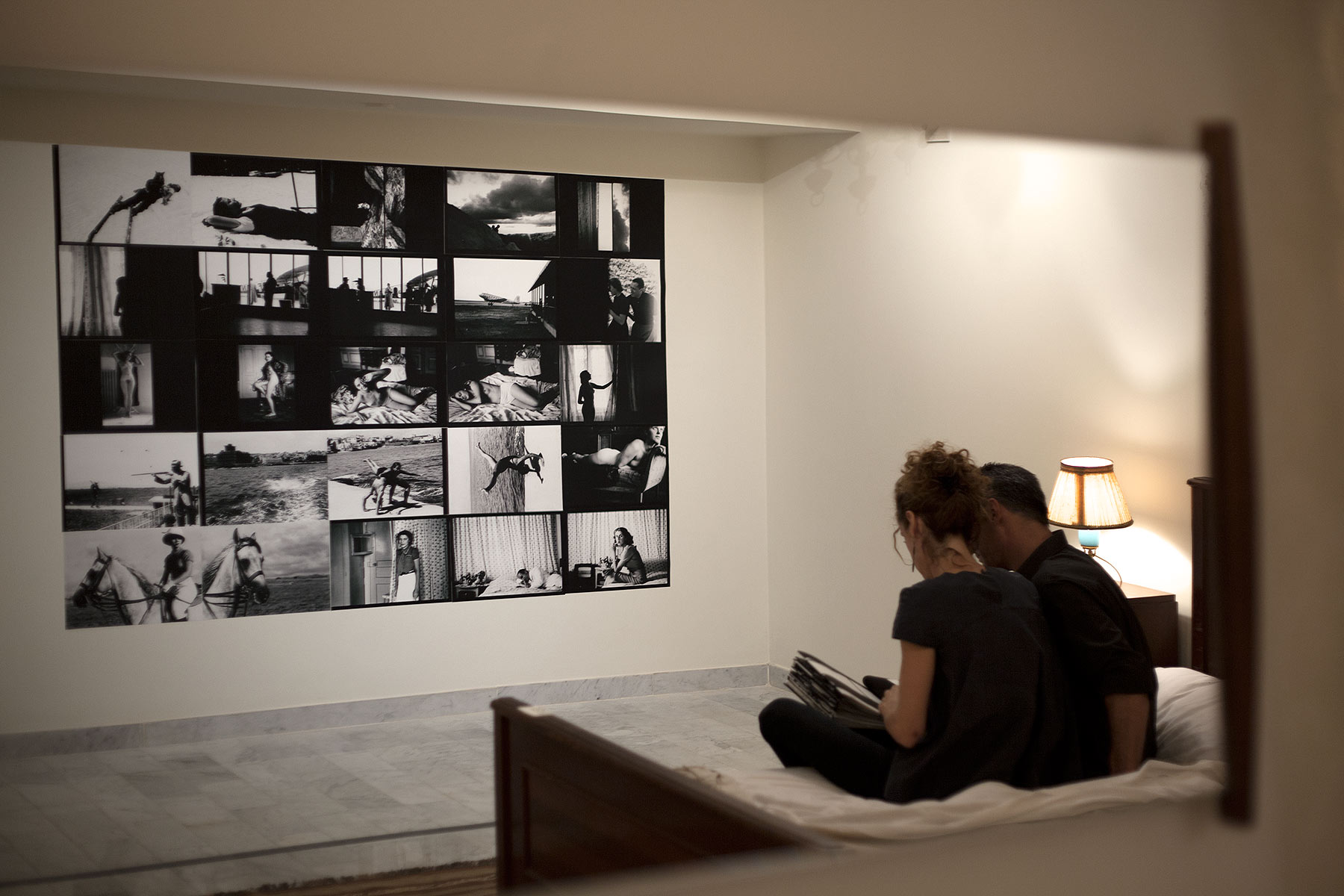
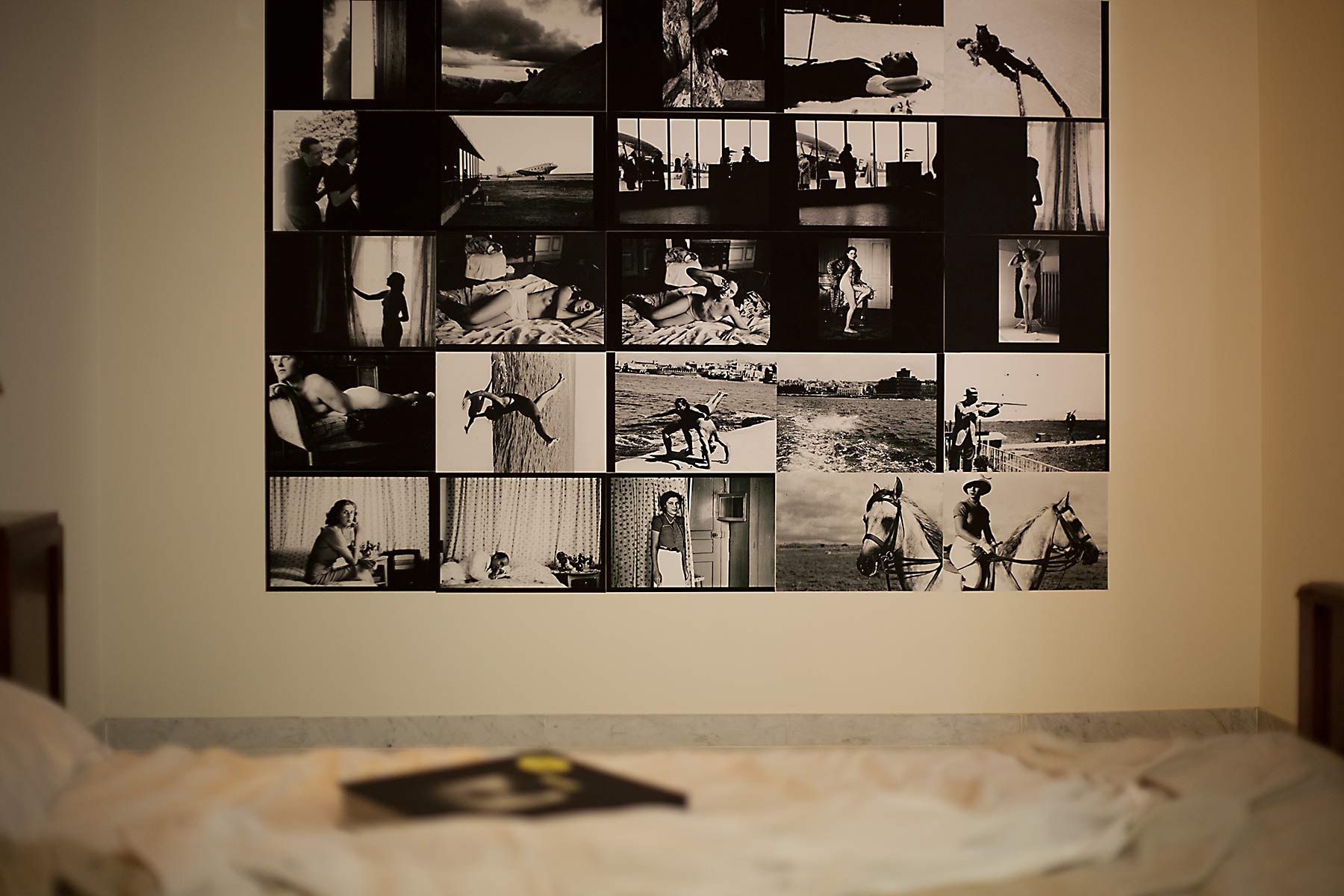
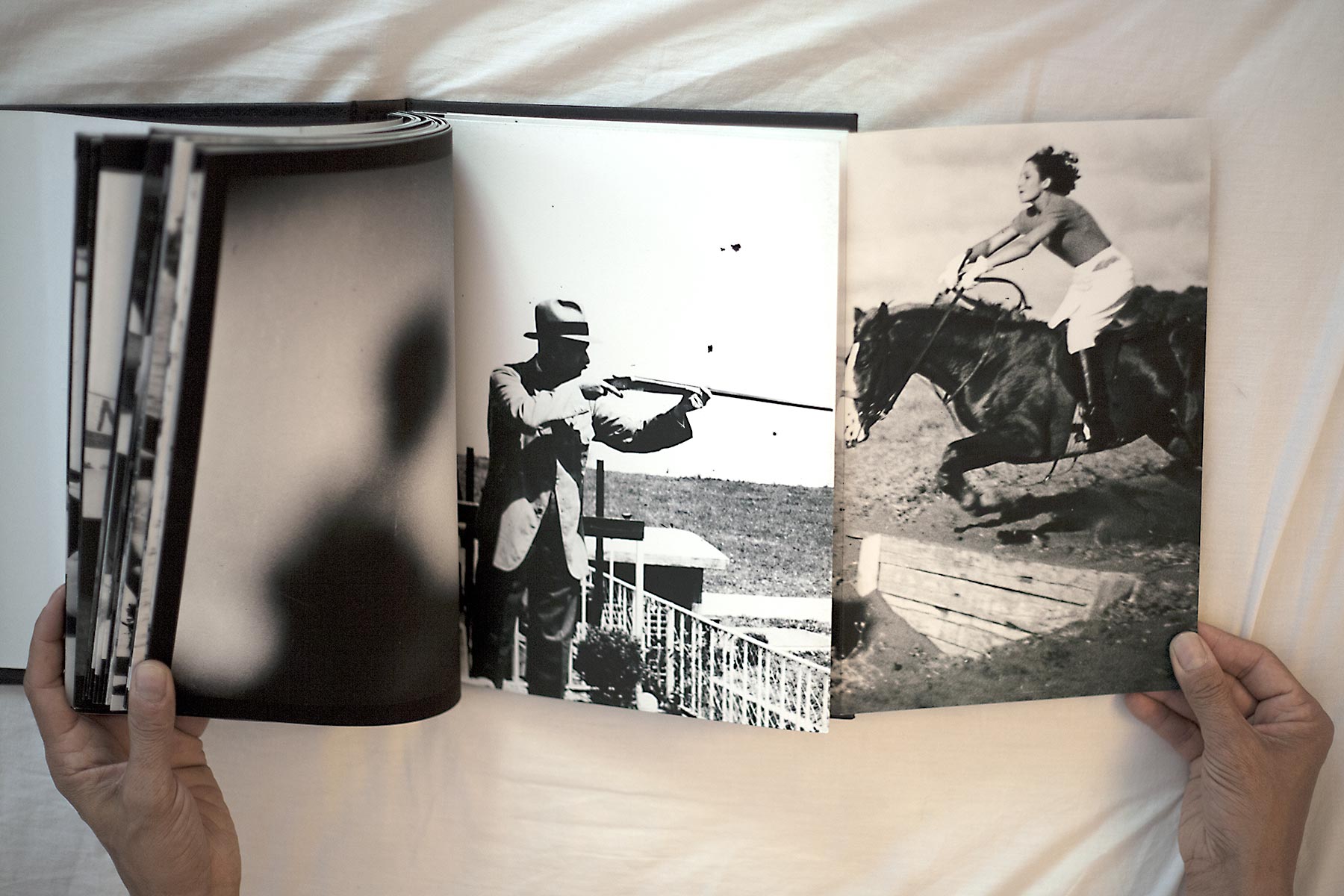
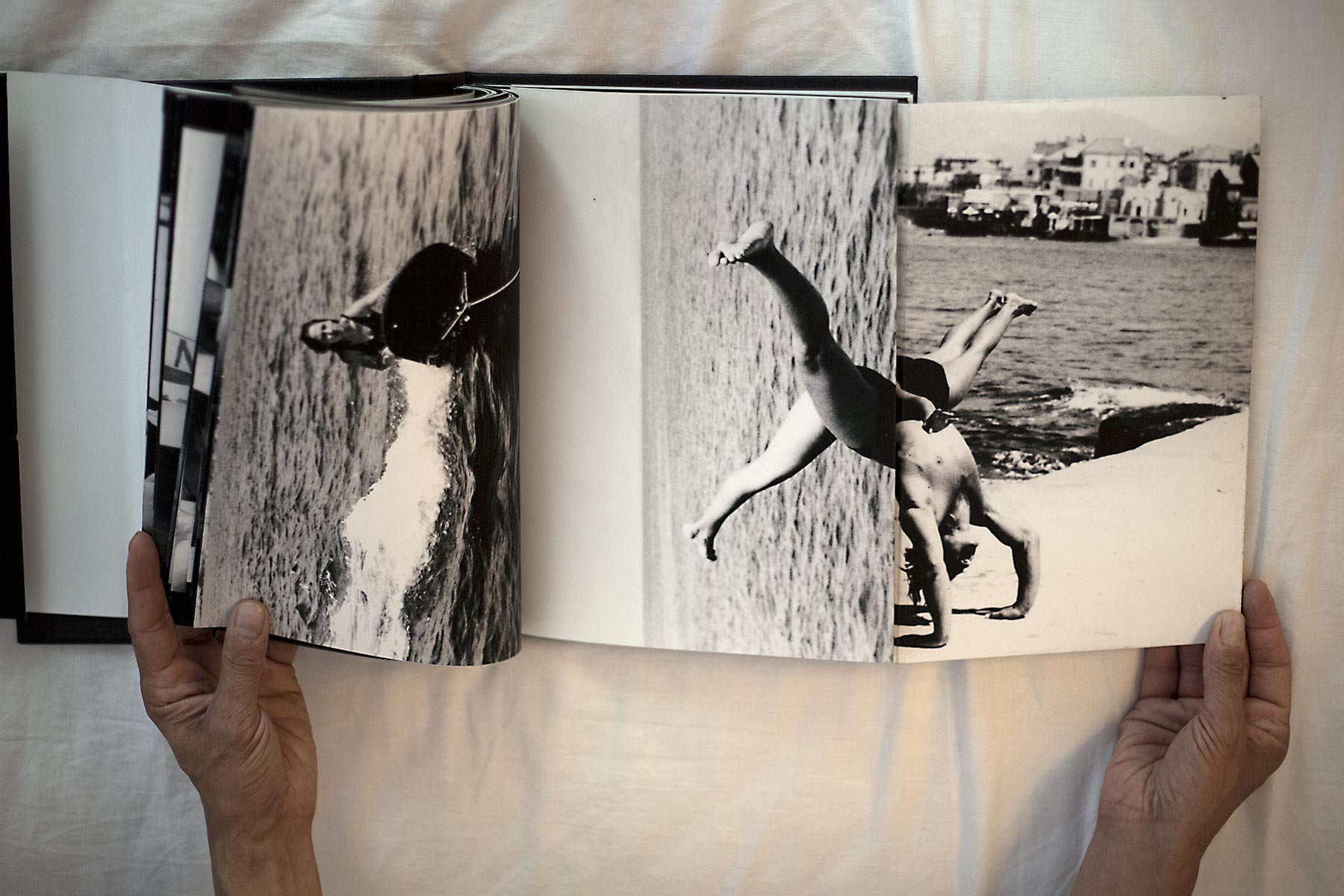
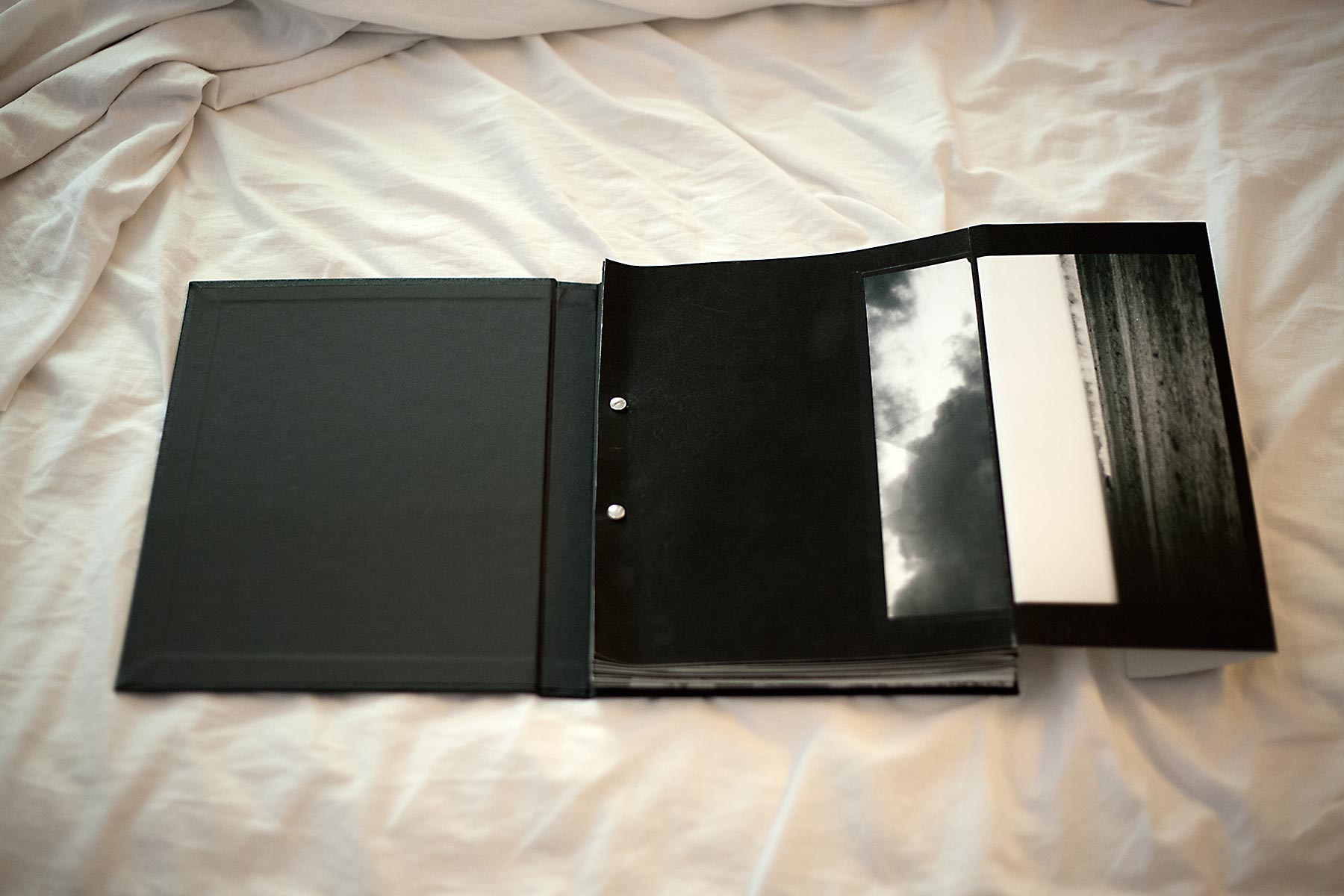
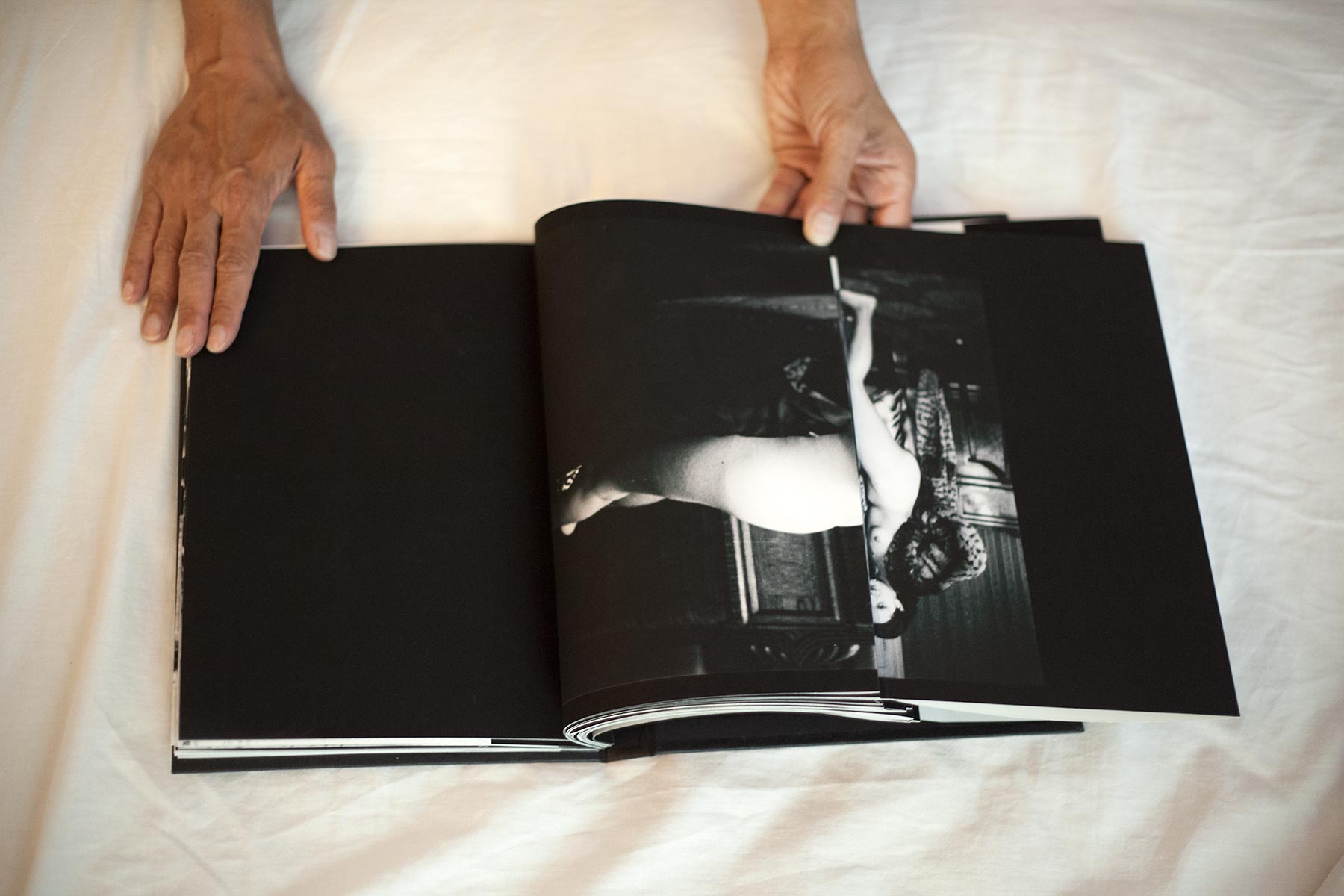
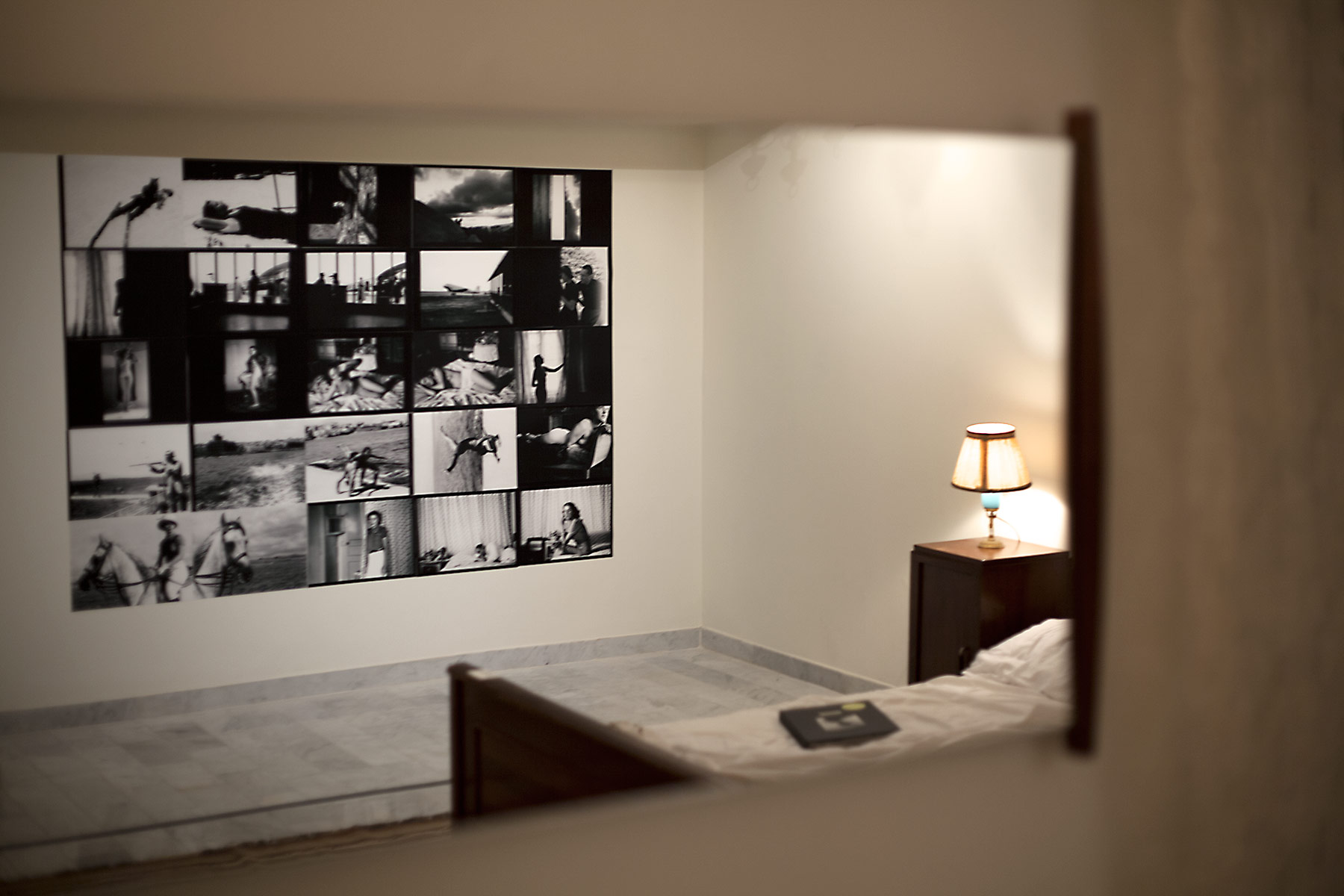
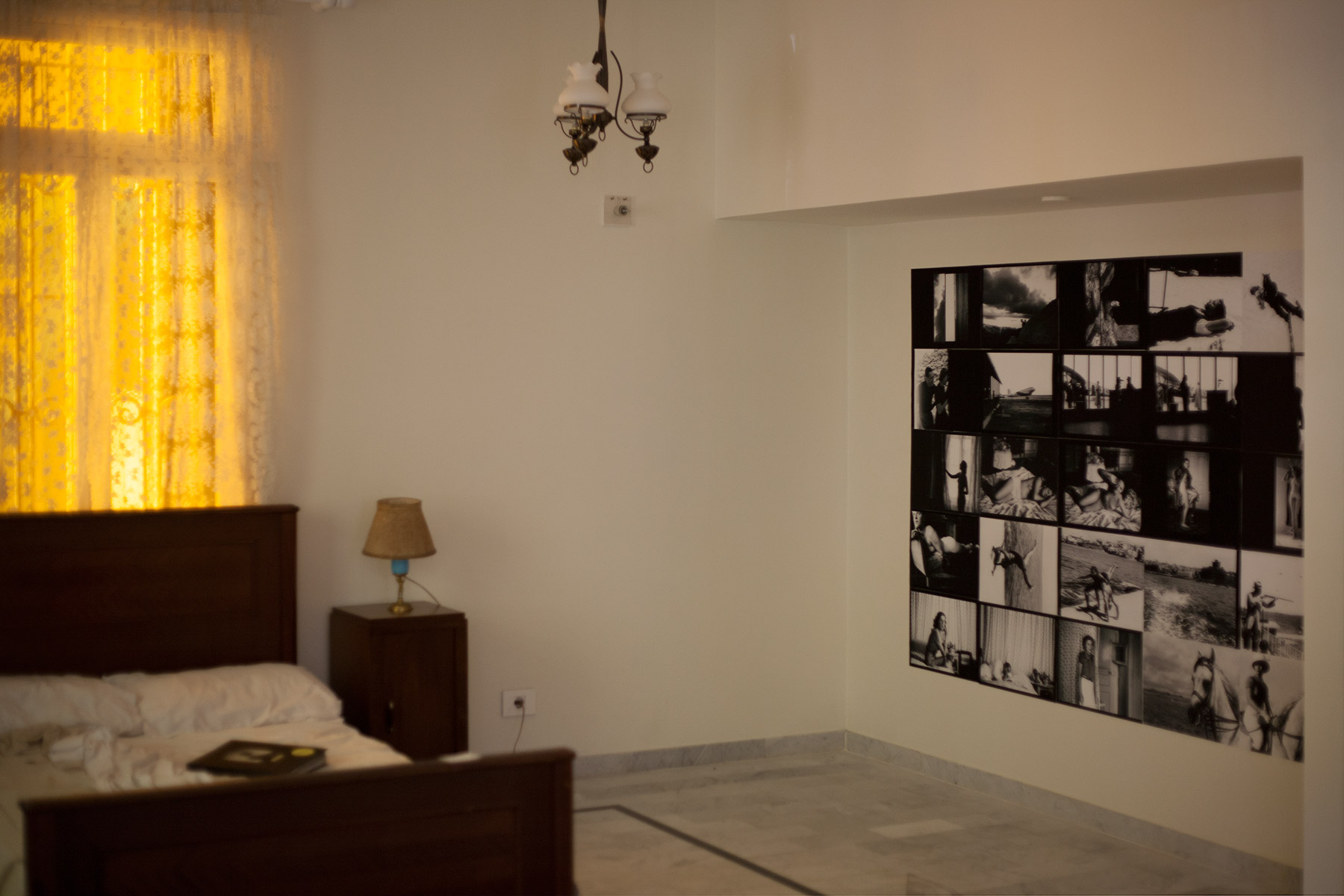
Torn Folded Curled
photobookworks sourced from the Arab Image Foundation
Makan Project Space, Beirut
Sept- Nov 2015
[+more]
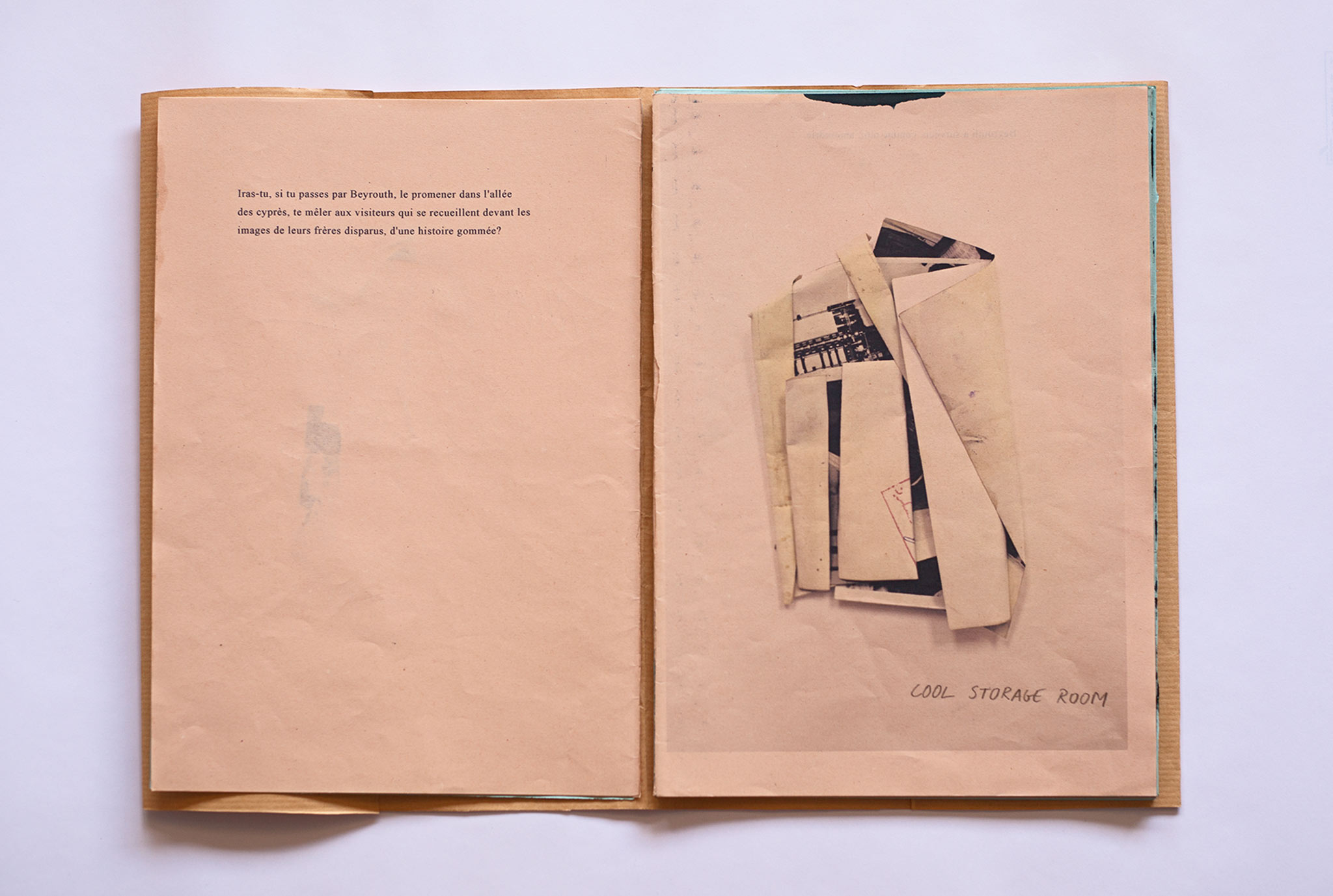
Torn, Folded, Curled: Orphan Photographs Sourced From the Arab Image Foundation (Crafting an Archaeology of the Recent Past, One Photobookwork at a Time).
Essay presented at The Archive: Visual Culture In The Middle East Symposium, Lebanese American University
[+more]